Key takeaways
- Measure first: Record the foundation’s width, length, and height, including any raised fabric, feet, or corner hardware that could affect the fit.
- Choose six-sided coverage: A complete top, bottom, and side enclosure is more useful than a simple fitted sheet because bed bugs can travel underneath a foundation.
- Inspect the zipper: Look for a fine-tooth, tightly closing zipper with a secure end stop or protective flap. The zipper is the cover’s most vulnerable point.
- Prioritize durable fabric: A waterproof, tightly woven material can help contain allergens and resist spills, but it should still flex enough to install without tearing.
- Plan installation carefully: Encase a clean, inspected foundation, zip it completely, and check periodically for rips or gaps. Do not remove it casually during an active infestation.
What's inside
A box spring can give bed bugs a surprisingly useful hiding place: its fabric underside, seams, corners, and zipper area are rarely inspected during routine cleaning. Once bugs get inside, surface sprays and vacuuming usually cannot reach them. A properly fitted encasement turns the entire foundation into a sealed barrier, making future inspections easier and helping prevent bugs from entering or escaping.
This guide compares practical zippered covers for different foundation sizes and household needs. I’m focusing on the details that matter in a real DIY setup—six-sided coverage, zipper security, waterproof backing, fit, washability, and whether a product is truly intended for a box spring rather than only a mattress. Measure before ordering, and remember that an encasement works best alongside laundering, vacuuming, monitoring, and professional treatment when needed.
As an Amazon Associate we earn from qualifying purchases.




How to Choose a Box Spring Encasement For Bed Bugs (2026)
- Measure first: Record the foundation’s width, length, and height, including any raised fabric, feet, or corner hardware that could affect the fit.
- Choose six-sided coverage: A complete top, bottom, and side enclosure is more useful than a simple fitted sheet because bed bugs can travel underneath a foundation.
- Inspect the zipper: Look for a fine-tooth, tightly closing zipper with a secure end stop or protective flap. The zipper is the cover’s most vulnerable point.
- Prioritize durable fabric: A waterproof, tightly woven material can help contain allergens and resist spills, but it should still flex enough to install without tearing.
- Plan installation carefully: Encase a clean, inspected foundation, zip it completely, and check periodically for rips or gaps. Do not remove it casually during an active infestation.
The Best Box Spring Encasement For Bed Bugs (2026)s Reviewed
HOSPITOLOGY Sleep Defense System Queen
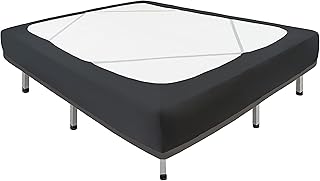
The HOSPITOLOGY PRODUCTS Box Spring Encasement is a sensible choice for a standard queen foundation, with a zippered design aimed at bed bug and dust mite protection. Its 60-by-80-inch footprint matches common queen dimensions, but measure the foundation’s depth before buying; a snug cover is helpful, while an overstretched one is more likely to stress the seams.
SureGuard Queen Six-Sided Encasement
SureGuard’s Queen Size Box Spring Encasement stands out for its six-sided construction and waterproof barrier, useful when you want protection from both pests and accidental spills. The hypoallergenic positioning is a bonus for allergy-conscious bedrooms, while the full enclosure makes this a strong all-around pick for a queen-size foundation.
Linenspa 360° Box Spring Encasement
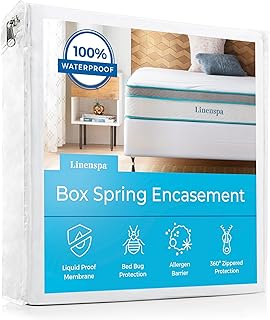
The Linenspa Zippered Waterproof Box Spring Encasement takes a straightforward approach with a 360-degree cover designed to surround the foundation. It is a practical option for DIY installation when you want waterproof protection without adding complicated layers, though careful measuring remains essential because box spring height varies considerably.
SureGuard Full Size Six-Sided Encasement
For a full-size bed, the SureGuard Full Size Box Spring Encasement offers the same useful combination of waterproofing, bed bug protection, and six-sided coverage in a smaller footprint. It is particularly appealing when the foundation is being treated as part of a complete containment strategy, alongside an encased mattress and properly placed interceptors.
HOSPITOLOGY Queen Mattress Encasement
The HOSPITOLOGY PRODUCTS Queen Mattress Encasement is designed for a standard 12-inch-deep mattress rather than a box spring, but it can be valuable when building a complete bed bug barrier system. Its stretchable, waterproof construction pairs naturally with the brand’s foundation cover; just confirm that your mattress depth is close to the stated size before ordering.
Frequently Asked Questions
Can a box spring encasement eliminate bed bugs?
No. It can trap bugs inside the enclosed foundation and block new hiding places, but it will not remove insects elsewhere in the room. Combine it with hot laundering, detailed vacuuming, monitoring devices, and an appropriate treatment plan.
Should I encase the mattress too?
Usually, yes. Mattress and foundation covers work best as a pair because bed bugs can move between both pieces. Use a mattress encasement that matches the mattress depth, and avoid leaving exposed gaps where the two covers meet.
How long should an encasement stay on?
Leave it sealed for an extended period rather than removing it after a few days. Bed bugs can survive for months without feeding, so follow the manufacturer’s guidance and any instructions from a pest professional. Inspect the cover regularly for damage.
What if my box spring is an unusual size?
Measure all three dimensions and compare them with the manufacturer’s fit range. If the foundation is unusually tall, split into two pieces, or has protruding handles, contact the seller before ordering. Forcing an undersized cover can compromise the zipper and seams.
Final Thoughts
For a queen foundation, the SureGuard Queen and HOSPITOLOGY Sleep Defense System are strong starting points, while the SureGuard Full Size is the better match for a full bed. Add the HOSPITOLOGY mattress encasement when you want a coordinated, whole-bed barrier, and treat installation quality as seriously as the product choice.