Key takeaways
- Steam temperature and pressure: Grout needs heat that penetrates, not just moisture. Look for output in the 230°F range or higher, and note that pressurized canister units drive steam into recessed lines far better than pad-only mops that rely on contact alone.
- Detail brush attachments: A flat mop head glides over grout without touching the bottom of the channel. A narrow nylon or brass brush is the piece that actually does the work, so check that useful detail tools are included rather than sold separately.
- Tank size versus weight: Bigger tanks mean fewer trips to the sink, but every ounce of water shows up in your wrist. For open floors, go large. For stairs and bathrooms, a smaller reservoir with fast reheat is easier to handle.
- Heat-up time and steam control: Ten to fifteen seconds to ready is now normal on floor mops; canisters take several minutes but hold pressure longer. Variable steam matters if you also clean sealed stone, laminate, or vinyl, where full blast is too aggressive.
- Pad design and replacement cost: Textured scrub pads grab loosened residue instead of smearing it. Confirm pads are machine washable and that replacements are cheap and easy to find, since this is the ongoing expense people forget to price in.
What's inside
Grout is a sponge pretending to be a solid. Anyone who has knelt on a bathroom floor with a toothbrush and a cup of vinegar knows the drill: you scrub one line, it looks great, then you glance at the next forty and lose the will to continue. The problem isn’t effort, it’s that cold liquid cleaner sits on the surface while the grime lives down in the porous channels. Heat is what actually loosens it, which is why steam has become the go-to for anyone maintaining tile without hiring a crew.
But “steam mop” covers a wide range of machines, from lightweight pad-based floor units to pressurized canisters that behave more like small workshop tools. This guide breaks down which type suits which job, what specs genuinely matter when grout is your target, and how six popular models hold up in real use around kitchens, entryways, and shower floors.
As an Amazon Associate we earn from qualifying purchases.




How to Choose a Steam Mop For Tiles And Grout (2026)
- Steam temperature and pressure: Grout needs heat that penetrates, not just moisture. Look for output in the 230°F range or higher, and note that pressurized canister units drive steam into recessed lines far better than pad-only mops that rely on contact alone.
- Detail brush attachments: A flat mop head glides over grout without touching the bottom of the channel. A narrow nylon or brass brush is the piece that actually does the work, so check that useful detail tools are included rather than sold separately.
- Tank size versus weight: Bigger tanks mean fewer trips to the sink, but every ounce of water shows up in your wrist. For open floors, go large. For stairs and bathrooms, a smaller reservoir with fast reheat is easier to handle.
- Heat-up time and steam control: Ten to fifteen seconds to ready is now normal on floor mops; canisters take several minutes but hold pressure longer. Variable steam matters if you also clean sealed stone, laminate, or vinyl, where full blast is too aggressive.
- Pad design and replacement cost: Textured scrub pads grab loosened residue instead of smearing it. Confirm pads are machine washable and that replacements are cheap and easy to find, since this is the ongoing expense people forget to price in.
The Best Steam Mop For Tiles And Grout (2026)s Reviewed
McCulloch MC1385 Canister Steam Cleaner
This is the closest thing to a professional tool on the list, using a pressurized boiler and a long hose to force steam directly into grout lines rather than skating across the top. The 23-piece accessory set covers everything from floor mopping to fixtures and car interiors, though it’s bulky and demands a few minutes of preheating before you start.
BISSELL PowerFresh 1940A Steam Mop
A deservedly popular workhorse with a built-in flip-down scrubber that handles stuck-on spots without you needing to swap heads. The 12-inch cleaning path and variable steam settings make it efficient across large tile floors, and the scent-disc slot is a nice touch even if it’s purely cosmetic.
FEPPO Detachable Steam Mop
The detachable handheld is the real selling point here, letting you go from kitchen tile to shower grout and countertops without changing machines. It heats in about fifteen seconds and hits 230°F, which is enough to lift everyday buildup, though heavy neglect will still want a dedicated brush attachment and some patience.
Shark Steam & Scrub S8001
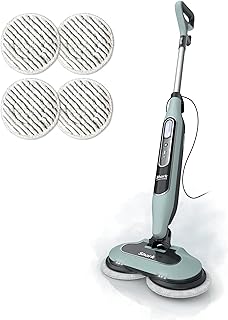
Shark’s rotating Dirt Grip pads do the scrubbing motion for you, which noticeably reduces the arm work on textured tile and entryway floors. LED headlights sound like a gimmick until you use them on a dim hallway and start spotting film you had been walking past for months.
10-in-1 Detachable Handheld Steam Mop
With 248°F output, a ten-second heat-up, and two steam levels, this budget-friendly convertible punches above its price for grout and small-space detailing. The 350ml tank means frequent refills on large floors, so treat it as a versatile spot-cleaner rather than a whole-house workhorse.
Frequently Asked Questions
Will steam damage my grout or tile?
Sealed tile and cured grout handle steam fine. Problems arise with cracked or crumbling grout, where pressurized steam can worsen existing damage, and with unsealed natural stone. Repair loose grout first, then clean.
Do I need cleaning solution with a steam mop?
No, and most manufacturers void warranties if you add detergent to the tank. Heat handles sanitizing on its own. For serious stains, pretreat the grout line, let it sit, then steam it away.
Why won’t my grout come fully white again?
Grout that has been stained for years may be permanently discolored below the surface. Steam removes grime, not dye. At that point the fix is regrouting or applying a grout colorant.
How often should I steam tile floors?
Weekly for high-traffic kitchens and entries, monthly for guest bathrooms. Frequent light passes prevent the deep buildup that requires a full detailing session with brushes.
Final Thoughts
For serious grout restoration, the McCulloch MC1385 is the tool that gets into the channels and stays there, and its accessory range earns its storage space. If you want strong everyday tile maintenance without the setup, the BISSELL PowerFresh 1940A remains the sensible default, while the Shark Steam & Scrub S8001 is worth the premium for anyone who would rather let the machine handle the scrubbing motion.