Key takeaways
- Adjustable shelf pitch: Fixed shelves waste vertical space. Look for cabinets where you can reposition shelves in small increments so a 14-inch bottle of gesso and a stack of sketchbooks each get a bay that fits them, not one compromise height for everything.
- Wipeable interiors: Powder-coated steel shrugs off turpentine, ink, and resin drips. Raw MDF swells and stains permanently. If you work wet, prioritize metal or sealed surfaces for the lower shelves where spills land.
- Mobility versus mass: A rolling cart follows you to the workbench; a tall freestanding cupboard holds four times as much but stays put. Most studios need one of each — mobile for the active project, static for inventory.
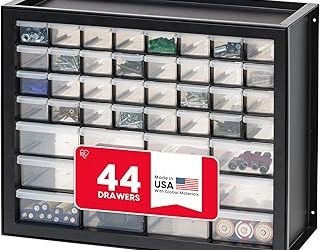
- Drawer transparency: Clear-front drawers eliminate the open-and-check ritual. For anything sorted by color or size — pastels, embroidery floss, resin pigments — visibility saves more time than raw capacity does.
- Locks and anchor points: Locking doors keep blades, solvents, and expensive pigments away from kids. Anti-tip hardware matters just as much on anything over five feet tall, especially if drawers get loaded unevenly.
What's inside
Anyone who’s spent a Saturday sorting through a pile of half-dried acrylics, warped watercolor paper, and a coffee can bristling with brushes knows the real enemy isn’t clutter — it’s evaporation, dust, and gravity. Art supplies are awkward by nature: tall bottles of medium next to flat 18×24 pads next to tiny beads that migrate everywhere. Standard shelving assumes uniform boxes, which is exactly what a maker’s studio never has. The result is a corner of the room that quietly becomes a graveyard for materials you already paid for.
This guide takes a workshop-first approach to studio storage. I’ve weighted things a hobbyist actually cares about: whether shelves adjust to fit a 20-inch roll of canvas, whether solvent spills wipe off the interior, whether a cart rolls to the easel and back without shedding a caster. Below are six cabinets and carts worth building a studio around, plus the specs I check before anything gets bolted together.
As an Amazon Associate we earn from qualifying purchases.


How to Choose a Storage Cabinet For Art Supplies (2026)
- Adjustable shelf pitch: Fixed shelves waste vertical space. Look for cabinets where you can reposition shelves in small increments so a 14-inch bottle of gesso and a stack of sketchbooks each get a bay that fits them, not one compromise height for everything.
- Wipeable interiors: Powder-coated steel shrugs off turpentine, ink, and resin drips. Raw MDF swells and stains permanently. If you work wet, prioritize metal or sealed surfaces for the lower shelves where spills land.
- Mobility versus mass: A rolling cart follows you to the workbench; a tall freestanding cupboard holds four times as much but stays put. Most studios need one of each — mobile for the active project, static for inventory.
- Drawer transparency: Clear-front drawers eliminate the open-and-check ritual. For anything sorted by color or size — pastels, embroidery floss, resin pigments — visibility saves more time than raw capacity does.
- Locks and anchor points: Locking doors keep blades, solvents, and expensive pigments away from kids. Anti-tip hardware matters just as much on anything over five feet tall, especially if drawers get loaded unevenly.
The Best Storage Cabinet For Art Supplies (2026)s Reviewed
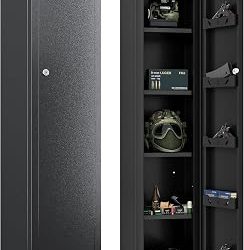
GAIOUS 75.2″ Tall Metal Storage Cabinet
At just over six feet with five adjustable shelves across six tiers, this is the closest thing to a proper supply locker for a home studio, and the steel construction means no swelling if a bottle of medium tips over. Reposition the middle shelves wide for rolled canvas and tighten the upper bays for paint tubes — it swallows an entire year’s inventory without eating floor space.
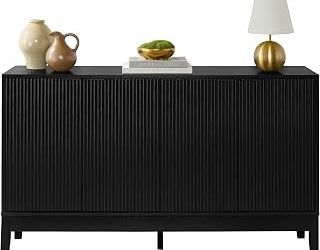
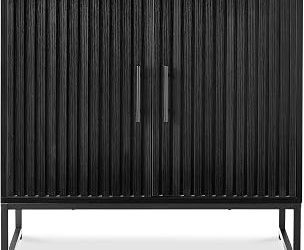
Metal Storage Cabinet with 2 Doors and Adjustable Shelf
This low steel sideboard is the sleeper pick for anyone whose studio doubles as a dining room, since it reads as furniture while functioning as a paint cabinet. The single adjustable shelf gives you two usable zones, and the closed doors keep light off anything photosensitive.
10 Drawer Rolling Storage Cart with Wood Top
Ten drawers plus a solid wood top makes this a mobile workstation, not just storage — the surface handles cutting mats and glue-ups while the drawers sort by medium. Lockable casters mean it stays planted when you’re pressing down on a linocut, then rolls out of the way when you need the floor back.
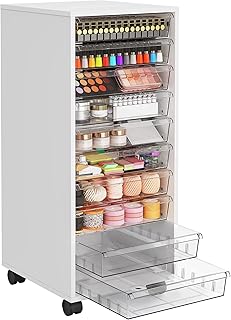
Storage Drawer Cart with 10 Clear Drawers
The clear drawer fronts are the whole argument here: pigments, beads, and washi tape stay visible without pulling anything open. It’s the better choice over an opaque cart if your workflow depends on grabbing by color, and the wooden frame looks far less institutional than plastic tower units.
Metal Garage Storage Cabinet with 4 Doors and Drawer
Built for tools, which makes it ideal for the heavier end of making — clamps, power carvers, resin kits, and gallon jugs that would sag a lighter shelf. The lock and two adjustable shelves earn their keep in any shared workspace where solvents need to stay secured.
Frequently Asked Questions
Will solvents damage a metal cabinet’s finish?
Powder-coated steel resists most studio solvents, but acetone and lacquer thinner can dull the coating with repeated contact. Line the working shelf with a silicone mat or scrap acrylic sheet and wipe spills promptly.
How do I store paper without it warping?
Flat and horizontal, always. Set an adjustable shelf to a shallow gap so pads stack no more than a few inches deep, and keep them off exterior walls where humidity fluctuates.
Is a locking cabinet worth it for a home studio?
If children or pets share the space, yes. Blades, solvents, resin hardeners, and cadmium-based pigments all warrant a lock, and most locking cabinets cost only marginally more than their open equivalents.
Can I combine a tall cabinet with a rolling cart?
That’s the setup I’d recommend. Use the tall cabinet as backstock and the cart as your active project station, restocking the cart weekly so you’re not walking across the room mid-pour.
Final Thoughts
For most makers, the GAIOUS 75.2″ tall metal cabinet is the best single investment — the shelf adjustability and steel interior handle everything from canvas rolls to leaking mediums. Pair it with the 10-drawer rolling cart with wood top for an active work surface that moves with you, or choose the clear-drawer storage cart if your materials are sorted by color and you’d rather see them than remember them.