Key takeaways
- Rotate, don’t flip. Most memory foam mattresses are single-sided. Rotate the mattress head-to-foot every three months so wear distributes evenly and you get better access for cleaning each zone.
- Use a waterproof mattress protector from day one. It’s the single cheapest insurance policy. Launder it monthly and you may never need to deep-clean the foam at all.
- Avoid baking soda paste hacks. The paste dries into a fine powder that migrates deep into foam cells and is extremely difficult to fully extract—even with strong suction. A light dry-vacuuming pass accomplishes the same deodorizing goal without the residue risk.
- Check your warranty fine print before using any cleaner. Some mattress manufacturers specify approved cleaning agents; using the wrong product can technically void coverage. Keep the label and the receipt for whatever you buy.
What's inside
Memory foam is the most comfortable sleep surface most people own—and also the one that traps dust mites, dead skin, sweat, and allergens like a sponge. Unlike a pillow-top you can throw in the washer, memory foam demands a different playbook. Get it wrong (dousing it with water, scrubbing with harsh chemicals) and you risk warping the foam, voiding your warranty, or breeding mold inside the layers. Get it right, and your mattress stays fresh, supportive, and hygienic for years longer than the average replacement cycle.
This guide walks you through the actual process step by step—stripping the bed, vacuuming with the right gear, treating stains without over-wetting, and keeping everything clean on a routine basis. Where specific tools or cleaners genuinely make the job easier, we mention them by name so you can decide what’s worth adding to your home kit.
As an Amazon Associate we earn from qualifying purchases.




Step 1: Strip It Down and Inspect
Pull off all bedding, mattress protectors, and pads. Toss everything into the wash on the hottest cycle the fabric allows. While the bed is bare, do a slow visual scan under good lighting. Look for yellow discoloration, water rings, or any spots that feel stiff or crusty. Mark problem areas mentally—or with a small piece of painter’s tape on the mattress border—so you know exactly where to focus your cleaning effort later. If you spot any mold (black or green fuzzy patches), that’s a separate remediation issue; lightly mist the area with undiluted white vinegar, let it air-dry for an hour in a ventilated room, and proceed only after the spots are gone.
Step 2: Dry Vacuum Everything First
Before introducing any moisture, do a thorough dry pass to pull out loose debris, dust mite waste, and pet dander. A standard stick vacuum with an upholstery attachment works in a pinch, but a dedicated mattress vacuum is significantly more effective. Units like the Teant MV-Blue, the CFBF double-cup handheld, or the FEPPO corded model all combine 16 kPa suction with UV-C light (253.7 nm) that neutralizes surface-level microorganisms on contact. Run slow, overlapping passes across the entire mattress surface—top, sides, and even the bottom if you can flip it. The ultrasonic vibration and high-heat features found on these vacuums (up to 149°F on the Teant, 140°F on the FEPPO) help loosen embedded particles that plain suction misses. Spend at least five minutes per side. Empty the dust cup between passes if it fills up; a full cup kills suction efficiency.
Step 3: Treat Stains Targeted, Not Everywhere
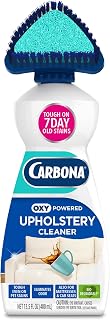
This is where most people go wrong. Memory foam stains don’t need to be treated across the entire mattress—just on the affected spots. For organic stains (sweat, urine, body fluids), an enzyme-based cleaner breaks down the protein molecules without saturating the foam. GEODE Mattress Cleaner uses a natural enzyme formula with a lavender scent and is safe to mist directly onto problem areas. For dried yellow urine stains specifically, the Carbona Oxy Powered Upholstery Cleaner delivers fast oxidation with its built-in brush tip, letting you agitate gently without over-wetting. Spray, wait the recommended dwell time (usually 5–10 minutes), then blot—always blot, never rub—from the outside of the stain inward with a clean microfiber cloth. Repeat if needed, but resist the urge to soak the area.
Step 4: Handle the Whole-Mattress Freshening Pass
Once individual stains are dealt with, you may want to refresh the entire surface. The Mattress Cleaner Foam Spray (10.14 fl oz, no-rinse formula) is designed for exactly this: apply a light, even layer across the top, let the foam cling and lift general grime, then blot away after it dries. Because it’s a no-rinse product, there’s virtually zero risk of soaking through to the foam core. For mattresses with lighter, generalized discoloration, the Carbona Oxy Cleaner can also be misted lightly across the full surface and blotted out, but keep the application sparse. Memory foam absorbs liquid slowly but releases it even more slowly—every extra drop you apply is a drop that needs days to evaporate.
Step 5: Air It Out Completely
This step is non-negotiable. After any cleaning that involved liquid, prop the mattress upright or at a steep angle in a well-ventilated room. Open windows. Point a box fan at the surface. Memory foam can take 24 to 48 hours to dry thoroughly, and sleeping on a damp mattress is the fastest path to mold growth. If humidity in your home is high (above 55%), run a dehumidifier nearby. The mattress is ready for bedding only when the surface feels completely dry to the touch and there’s no cool, damp sensation when you press your palm flat against the foam.
Tips
- Rotate, don’t flip. Most memory foam mattresses are single-sided. Rotate the mattress head-to-foot every three months so wear distributes evenly and you get better access for cleaning each zone.
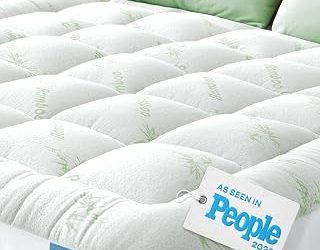
- Use a waterproof mattress protector from day one. It’s the single cheapest insurance policy. Launder it monthly and you may never need to deep-clean the foam at all.
- Avoid baking soda paste hacks. The paste dries into a fine powder that migrates deep into foam cells and is extremely difficult to fully extract—even with strong suction. A light dry-vacuuming pass accomplishes the same deodorizing goal without the residue risk.
- Check your warranty fine print before using any cleaner. Some mattress manufacturers specify approved cleaning agents; using the wrong product can technically void coverage. Keep the label and the receipt for whatever you buy.
Frequently Asked Questions
Can I steam clean a memory foam mattress?
Steam cleaners inject hot vapor deep into the foam, and memory foam’s open-cell structure holds onto that moisture for a long time. Short answer: avoid it. The risk of internal mold and foam degradation outweighs any sanitizing benefit. Stick with UV-equipped mattress vacuums for heat-based sanitization without the moisture.
How often should I deep clean my memory foam mattress?
Give it a thorough dry-vacuuming once a month, spot-clean stains as they happen, and do a full freshening pass every three to four months. If you have allergies or pets, tighten that schedule to every six to eight weeks.
Are enzyme cleaners safe for all memory foam?
Enzyme-based formulas like GEODE are generally safe because they work at a pH close to neutral and don’t rely on solvents that break down foam. Always test on a hidden corner first, let it dry for an hour, and check for discoloration or texture changes before treating a visible area.
My mattress still smells after cleaning. What’s next?
Odor that lingers usually means moisture is trapped deep inside. Increase ventilation, run a dehumidifier for 48 hours, and apply a light mist of baking soda—dry, not as a paste—followed by another vacuum pass. If the smell persists beyond 72 hours, the foam may have internalized the odor permanently, and a mattress replacement is the honest answer.
Conclusion
Keeping a memory foam mattress clean boils down to two principles: pull out dry debris first, then treat wet stains with minimal moisture and maximum patience. Equip yourself with a solid mattress vacuum, one good targeted stain remover, and a waterproof protector, and you’ll spend less time cleaning and more time sleeping on a surface that actually feels as fresh as it looks.