Key takeaways
- Clean the filter every two to four weeks during heavy use, especially in homes with pets, smokers, or renovation dust.
- Use coil chemicals sparingly; more foam does not mean better cleaning, and incompatible cleaners can damage coatings.
- Photograph screw locations before removing any approved access panel, and keep fasteners in a labeled container.
- If the unit smells burnt, trips the breaker, leaks indoors, or has damaged wiring, stop cleaning and arrange professional service.
What's inside
A window air conditioner can cool a room well for years, but only if dust, lint, and greasy household residue do not choke its filter and coil. A dirty unit works harder, blows weaker air, and may develop a damp, musty smell. Cleaning it is one of the most useful DIY maintenance jobs you can do before summer—and it usually takes less than an hour.
This guide explains the best way to clean a window AC without turning a simple service job into a risky teardown. You’ll learn what to unplug, which parts to wash, how to protect the room from runoff, when a coil cleaner is worthwhile, and which compact tools make the work easier.
As an Amazon Associate we earn from qualifying purchases.




Gather the Right Cleaning Gear
Start with a vacuum or soft brush, microfiber cloths, mild dish soap, a spray bottle, gloves, eye protection, and a fin-safe brush. A shallow pan, towels, and a sheet of plastic or a purpose-made cleaning bag will help contain dirty water. The Oiktylr Mini Split Cleaning Kit with 2L Pressure Sprayer is designed for larger systems, but its waterproof PVC bag can also be useful if your window unit fits its dimensions. Check the listed 38–48-inch fit before buying; many compact window units will not need such a large enclosure.
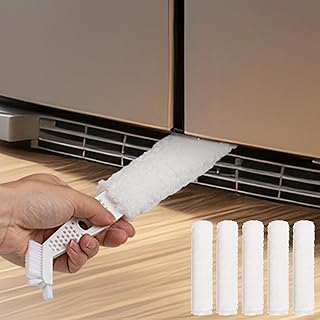
For bent aluminum fins, a 3-Piece Air Conditioner Fin Comb Cleaning Tools set is handy. Choose the comb width that matches your fin spacing and use a light touch. A fin comb is for straightening fins, not scraping away hardened dirt. For routine dusting around tight spaces, the Air Conditioner Cleaner Set Mini Split Cleaning Kit Under Fridge Cleaning Tool Window Unit Kit includes replaceable brush cloths that can reach behind louvers and under the chassis without requiring full disassembly.
Shut Down and Protect the Room
Turn the air conditioner off, unplug it, and let the unit sit for several minutes. Do not rely on the remote control alone. If the outlet or plug is wet, stop and dry the area before touching it. Remove curtains and nearby objects, then cover the wall, sill, and floor with plastic and towels. If possible, clean the unit outdoors; otherwise, keep water away from the control panel, power cord, and indoor electrical components.
Most cleaning can be done with the front grille, filter, and accessible panels removed. Do not pull the cabinet apart unless the manufacturer’s instructions specifically support it and you are comfortable safely handling capacitors and wiring. Never spray a running unit, pour water into the controls, or use a pressure washer.
Clean the Filter, Grille, and Air Path
Slide out the filter and vacuum loose dust before washing it. Rinse a washable filter with lukewarm water, use a small amount of mild dish soap if needed, and let it dry completely before reinstalling. A damp filter can restrict airflow and encourage odor. Replace a damaged or disposable filter rather than washing it.
Vacuum the front grille, louvers, and accessible blower opening. Use a soft brush to loosen dust without forcing debris deeper into the machine. Wipe plastic parts with a lightly damp cloth. Pay particular attention to the lower edge of the front cover, where condensation and dust often combine into a sticky film.
Clean the Evaporator Coil and Fins
The indoor evaporator coil is usually behind the filter. Begin by vacuuming gently in the direction of the fins. Bent fins reduce airflow, so straighten only the visibly crushed areas with a fin comb. Work slowly and stop if the metal starts tearing.
For ordinary dust, a damp brush and cloth are often safer than chemical spray. If the coil has oily buildup or a persistent odor, apply a product labeled for air-conditioner coils and follow its directions exactly. The Arm & Hammer Biodegradable HVAC and Air Conditioner Coil Cleaner Foam Aerosol Spray, 19 fl. oz is a compact option for targeted use. Larger units or heavier seasonal buildup may suit a Foaming AC Coil Cleaner, 38oz or the Foaming AC Coil Cleaner, 57 oz. Confirm whether the formula is no-rinse and suitable for your coil, and protect painted surfaces from overspray.
Clean the Outdoor Coil and Drainage Area
From the outside of the window unit, remove leaves, lint, and cobwebs with a vacuum and brush. Keep the nozzle just above the fins rather than pressing into them. If the rear coil needs washing, use a small amount of water directed from the clean side toward the dirty side, where practical. Avoid flooding the cabinet and never use strong pressure.
Inspect the drain holes or drain channel along the bottom pan. Clear visible sludge with a soft brush or cloth, but do not poke deep into hidden passages with a rigid object. The unit should be slightly angled according to its manual so condensation drains outdoors—not into the room. After cleaning, allow all accessible surfaces to dry before reconnecting power.
Tips
- Clean the filter every two to four weeks during heavy use, especially in homes with pets, smokers, or renovation dust.
- Use coil chemicals sparingly; more foam does not mean better cleaning, and incompatible cleaners can damage coatings.
- Photograph screw locations before removing any approved access panel, and keep fasteners in a labeled container.
- If the unit smells burnt, trips the breaker, leaks indoors, or has damaged wiring, stop cleaning and arrange professional service.
Frequently Asked Questions
How often should I deep-clean a window air conditioner?
Clean the filter every few weeks and inspect the coils at least once each cooling season. A deeper cleaning is worthwhile before storing the unit or at the start of summer.
Can I hose down a window AC?
Only if the manufacturer permits it and the unit is removed from the window, unplugged, and positioned so water cannot reach electrical controls. For an installed unit, controlled wiping and low-volume rinsing are safer.
Should I use bleach to remove mold or odor?
Bleach is usually a poor first choice because it can corrode metals and damage finishes. Clean the filter and condensate areas, improve drainage, and use a compatible HVAC cleaner when necessary. Persistent mold inside the cabinet may require professional remediation.
Why does my AC still have weak airflow after cleaning?
Check that the filter is dry and correctly installed, the louvers are open, and the outdoor coil is not blocked. Weak airflow can also indicate a failing blower motor, iced coil, refrigerant problem, or internal obstruction that needs service.
Conclusion
The best window AC cleaning is careful rather than aggressive: unplug the unit, contain runoff, vacuum before wet-cleaning, protect the fins, and keep moisture away from controls. With regular filter care and one thorough seasonal inspection, you can improve airflow, reduce odors, and help the appliance cool more efficiently without unnecessary disassembly.