Key takeaways
- Backing type: Thin polyurethane (TPU) film is the current standard — it blocks liquid while letting vapor pass. Avoid anything described as vinyl or PVC; it seals in heat and stiffens after a few hot washes.
- Pocket depth vs. your actual stack: Measure your mattress plus any topper before ordering. A 12″ mattress with a 3″ topper needs a 15″+ pocket, and elastic on all four sides beats corner-only straps every time.
- Top-layer fabric: Cotton terry feels absorbent and grippy under sheets; Tencel lyocell and bamboo viscose run cooler and slicker. Hot sleepers should lean toward the latter two.
- Noise test: If the listing doesn’t say “noiseless,” assume it crinkles. A quality membrane laminated to fabric is quiet; a loose plastic sheet sandwiched inside is not.
- Wash tolerance: Look for machine-washable at warm and low-heat tumble dry. High heat delaminates TPU, which is the single most common reason a protector fails early.
What's inside
A king mattress is a serious investment, and the thing most likely to shorten its life isn’t wear from sleeping on it — it’s a spilled glass of water at 2 a.m., a leaky diaper, or the slow accumulation of sweat and skin cells that no vacuum will reach. The trouble is that most protectors solve one problem and create another: the cheap vinyl ones crinkle every time you roll over and trap heat like a tarp, while the plush quilted pads that feel great in the store often turn out to be barely water-resistant. If you’ve ever pulled a protector off the bed after three washes and found the backing peeling away in sheets, you know the frustration.
I’ve fitted, washed, and stress-tested a lot of these on my own beds and in guest rooms, and the differences come down to a handful of measurable things: the backing material, the depth of the skirt, how the corners are stitched, and whether the top layer breathes. Below are six king protectors worth your money in 2026, spanning waterproof terry, Tencel, bamboo viscose, and an unbacked organic cotton pad for people who want comfort over liquid defense. After the picks, I’ll walk through what to actually look for so you can judge any protector on the shelf.
As an Amazon Associate we earn from qualifying purchases.


How to Choose a Mattress Protector King (2026)
- Backing type: Thin polyurethane (TPU) film is the current standard — it blocks liquid while letting vapor pass. Avoid anything described as vinyl or PVC; it seals in heat and stiffens after a few hot washes.
- Pocket depth vs. your actual stack: Measure your mattress plus any topper before ordering. A 12″ mattress with a 3″ topper needs a 15″+ pocket, and elastic on all four sides beats corner-only straps every time.
- Top-layer fabric: Cotton terry feels absorbent and grippy under sheets; Tencel lyocell and bamboo viscose run cooler and slicker. Hot sleepers should lean toward the latter two.
- Noise test: If the listing doesn’t say “noiseless,” assume it crinkles. A quality membrane laminated to fabric is quiet; a loose plastic sheet sandwiched inside is not.
- Wash tolerance: Look for machine-washable at warm and low-heat tumble dry. High heat delaminates TPU, which is the single most common reason a protector fails early.
The Best Mattress Protector King (2026)s Reviewed
SureGuard King Cotton Terry Protector
The cotton terry face gives you a soft, slightly absorbent surface that keeps fitted sheets from sliding, and the stretch pockets genuinely handle everything from a 6″ guest bed to a 20″ pillow-top stack. This is my default recommendation for households with kids or pets because it survives repeated washing without the backing separating.
Luxury Tencel King Protector
Tencel lyocell wicks moisture faster than cotton and feels noticeably cooler to the touch, which makes this the pick for anyone who sleeps hot but still needs full waterproofing. The 18″ pocket is deep enough for most mattress-plus-topper combinations without stretching the corners thin.
Organic Cotton Quilted Mattress Pad
At 300GSM with GOTS and Fairtrade certification, this is a comfort pad rather than a liquid barrier — it adds a light quilted cushion and breathes beautifully, with no membrane at all. Choose it if your priority is chemical transparency and airflow, and pair it with a separate waterproof layer if spills are a real risk.
Premium Tencel Waterproof Protector
A close cousin to the luxury Tencel option, this one leans into a quieter, thinner build that disappears under sheets and doesn’t change the feel of your mattress. Good value if you want cooling performance without paying for extra plushness you’ll never notice.
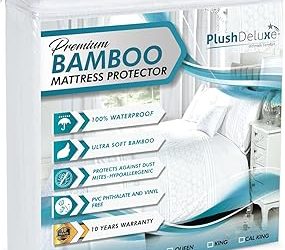
PlushDeluxe Bamboo Waterproof Protector
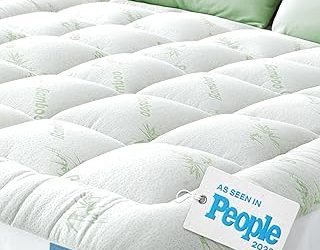
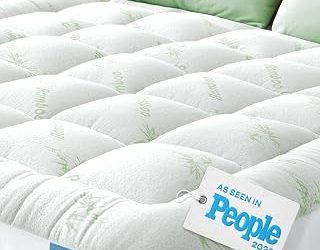
The bamboo-derived viscose surface is the softest in this group, closer to a jersey sheet than a protector, and the 76×80″ cut with an 18″ skirt fits standard king frames precisely. It’s the one I’d put in a guest room where the bed needs to feel inviting rather than clinical.
Frequently Asked Questions
Will a waterproof protector make me sleep hotter?
A modern TPU-backed protector adds roughly the thermal load of a thin bedsheet. If you already run warm, choose a Tencel or bamboo viscose top layer over cotton terry, since those move moisture away from your skin faster.
How often should I wash it?
Every two to three months for a typical adult bed, or immediately after any accident. Wash warm, skip the fabric softener — it clogs the fabric’s pores and reduces breathability — and tumble dry low or hang it.
Do these help with dust mite allergies?
A tightly woven or membrane-backed protector creates a barrier that dust mites can’t penetrate, which meaningfully reduces allergen exposure from the mattress itself. For full encasement, you’d need a zippered six-sided cover instead of a fitted style.
Can I use one over a memory foam topper?
Yes, and it’s a smart move since foam toppers are nearly impossible to clean. Just add the topper’s height to your mattress depth when checking pocket size, or the corners will pop off nightly.
Final Thoughts
For most king beds, the SureGuard Cotton Terry is the safest all-around buy — durable, quiet, and forgiving about mattress depth. Hot sleepers should go with the Luxury Tencel protector for its cooling edge, while anyone prioritizing softness and a hotel-bed feel will be happiest with the PlushDeluxe Bamboo. If waterproofing isn’t your concern and breathable organic materials are, the certified cotton quilted pad is the outlier worth considering.