Key takeaways
- Diagnose before you buy: Lay a broom handle across your mattress. If daylight shows under the middle, you have a sag, and a plush pillow-top will sink right into it. Dips need supportive foam; a bed that’s simply too firm needs cushioning. Different problem, different product.
- Thickness versus support: Three inches is the sweet spot for most side and combination sleepers. Five inches gives you serious contouring and is genuinely bed-changing, but it also raises your sleep surface enough to affect how you get in and out. Measure your deck-to-headboard clearance first.
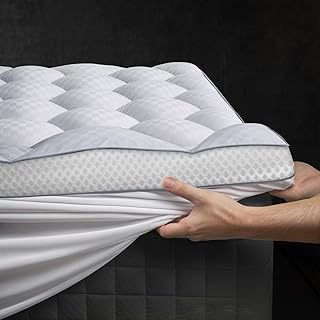
- Pocket depth is not a suggestion: An 18-inch or 20-inch skirt sounds generous until you stack a topper on a pillow-top mattress. Add your mattress height to the topper height, then compare. Undersized pockets pop loose at 3 a.m. and the whole thing shifts.
- Heat management: Dense memory foam traps body heat, which is why gel infusions, perforated cores, and mesh gussets exist. Bamboo-derived viscose and rayon covers move moisture better than polyester and are worth the small premium if you sleep warm.
- Anchoring hardware: Four-way corner straps beat elastic skirts on thick foam builds because foam has no give at the corners. On plush fiber toppers, a deep elasticized pocket does the job. Either way, something has to hold the topper in place or you’ll be straightening it weekly.
What's inside
Waking up with a lower back that feels like it spent the night in a vise usually isn’t a mystery. It’s geometry. A mattress that has developed a shallow trough under the hips lets the pelvis drop out of line with the shoulders, and the muscles along the spine spend eight hours quietly holding you together. Most people reach for a new mattress first, which is an expensive way to solve a surface-level problem. If the core of the bed still has structural life in it, a topper is the cheaper, smarter intervention.
I approached this the way I’d approach any retrofit: measure first, then choose materials. I checked deck height against sheet depth, poked at foam density, pressed a straightedge across sleep surfaces to see where they sagged, and paid attention to which builds actually held their loft after a few weeks instead of packing down into a pancake. Below are the toppers worth your money in 2026, along with the selection logic I’d use if I were shopping for my own bed.
As an Amazon Associate we earn from qualifying purchases.


🛒 Best Price Today on Amazon
Prime members get fast, free shipping on everything above, plus member-only deals. New members get a 30-day free trial — cancel anytime.
How to Choose a/an Back Pain Best Mattress Toppers (2026)
- Diagnose before you buy: Lay a broom handle across your mattress. If daylight shows under the middle, you have a sag, and a plush pillow-top will sink right into it. Dips need supportive foam; a bed that’s simply too firm needs cushioning. Different problem, different product.
- Thickness versus support: Three inches is the sweet spot for most side and combination sleepers. Five inches gives you serious contouring and is genuinely bed-changing, but it also raises your sleep surface enough to affect how you get in and out. Measure your deck-to-headboard clearance first.
- Pocket depth is not a suggestion: An 18-inch or 20-inch skirt sounds generous until you stack a topper on a pillow-top mattress. Add your mattress height to the topper height, then compare. Undersized pockets pop loose at 3 a.m. and the whole thing shifts.
- Heat management: Dense memory foam traps body heat, which is why gel infusions, perforated cores, and mesh gussets exist. Bamboo-derived viscose and rayon covers move moisture better than polyester and are worth the small premium if you sleep warm.
- Anchoring hardware: Four-way corner straps beat elastic skirts on thick foam builds because foam has no give at the corners. On plush fiber toppers, a deep elasticized pocket does the job. Either way, something has to hold the topper in place or you’ll be straightening it weekly.
The Best Back Pain Best Mattress Toppers (2026)s Reviewed
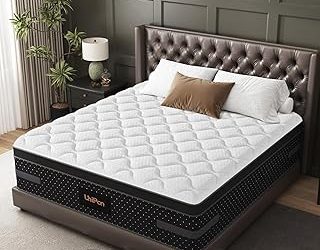
SHOUREN 5 Inch Memory Foam Topper
This is the heavy-duty rebuild of the group: five inches of gel-infused memory foam that effectively resurfaces a tired mattress and keeps the hips from dropping. The four-way straps are the detail that matters, since a slab this thick will creep without proper anchoring.
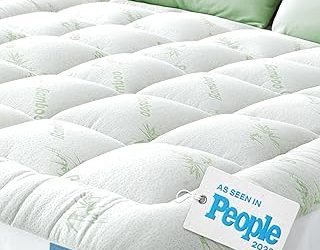
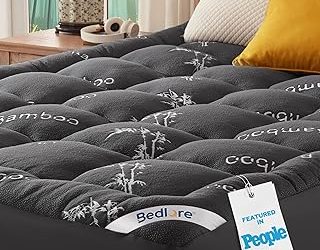
BEDLORE Queen Viscose Bamboo Topper
A thick pillow-top build with stretchable corner pockets rated for 6-inch to 18-inch mattresses, which is unusually accommodating range for a fitted design. The bamboo-derived viscose cover sleeps noticeably cooler than the polyester shells you’ll find at similar prices.
WhatsBedding 5 Inch Memory Foam Topper
Combines a supportive foam base with a soft breathable fill layer, so you get pressure relief without the sensation of being swallowed. Good pick if you want five inches of correction but find dense memory foam too dead underneath you.
ELEMUSE Extra Thick Mattress Pad
An overfilled down-alternative pillow-top with a deep elastic pocket, aimed squarely at beds that are too firm rather than too saggy. It adds real cushioning at the shoulders and hips, though it won’t correct an existing dip.
Niagara Sleep Solution Ultra Soft & Cooling Topper
The 20-inch deep pocket handles tall pillow-top mattresses that defeat most fitted toppers, and the rayon-from-bamboo surface is the standout for hot sleepers. Full size availability makes it a practical choice for guest rooms and smaller frames.
Frequently Asked Questions
Will a topper fix a sagging mattress?
It can mask a mild dip, but a topper conforms to whatever is under it. For a pronounced sag, add a plywood sheet or bunkie board under the mattress to restore the deck, then put the topper on top. Do both and you get real results.
Firm or soft for lower back pain?
Neither extreme. You want your spine to stay in roughly the same line it holds when you’re standing. Back sleepers usually need firmer support with slight lumbar fill; side sleepers need enough give at the hip and shoulder to keep the waist from bending.
How long before it feels right?
Give it two to three weeks. Memory foam softens as it warms to your body and your muscles need time to unlearn a compensating posture. Judging a topper on night one is a mistake.
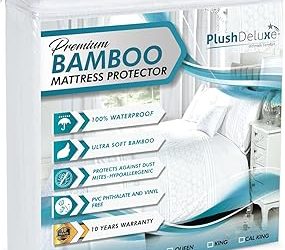
Do I need a mattress protector over it?
Yes, and get one deep enough to swallow the combined stack. Foam is difficult to clean and moisture shortens its lifespan considerably.
Final Thoughts
If your mattress has lost its structure, the SHOUREN 5 Inch Memory Foam Topper is the most substantial fix here, with the WhatsBedding 5 Inch as a slightly softer alternative in the same weight class. For a bed that’s structurally sound but simply too hard and too warm, the BEDLORE Viscose Bamboo topper delivers cushioning and airflow without changing your bed height much at all.