
Key takeaways
- Warranty Description: 2 years
- Item Dimensions L x W: 8.82"L x 7.01"W
- Handle Diameter: 28 millimeters
Grip is the quiet bottleneck in kettlebell training. Your hips will happily swing a 40-pound bell for thirty reps before your fingers agree to it, and the moment the handle starts sliding, form goes with it. That’s why an adjustable kettlebell has to be judged on two axes at once: how the load changes, and how the handle behaves once your palms are damp. A dial that clicks smoothly means nothing if the grip window is cramped or the coating turns slick on rep twelve.
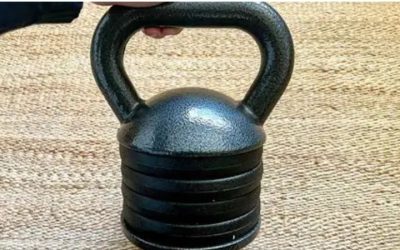
The BowFlex SelectTech 840 is the pick that keeps coming up in home-gym conversations, and for a specific reason — it collapses six separate bells (8, 12, 20, 25, 35, and 40 pounds) into one cradle-and-dial system with a handle wide enough for a two-hand swing. Below I’ve broken down what that actually feels like under load, where the design gives you room to grow, and the honest limits of a plastic-shelled adjustable compared to a rack of cast iron. If you train in a spare bedroom or a garage corner, the tradeoffs matter more than the spec sheet.
Our top picks
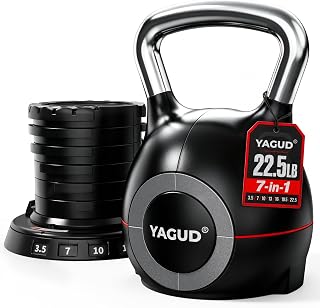
 BowFlex SelectTech 840 Adjustable Kettlebell
- Warranty Description: 2 years
- Item Dimensions L x W: 8.82"L x 7.01"W
- Handle Diameter: 28 millimeters

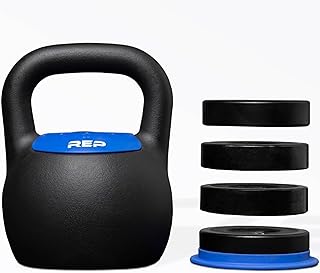
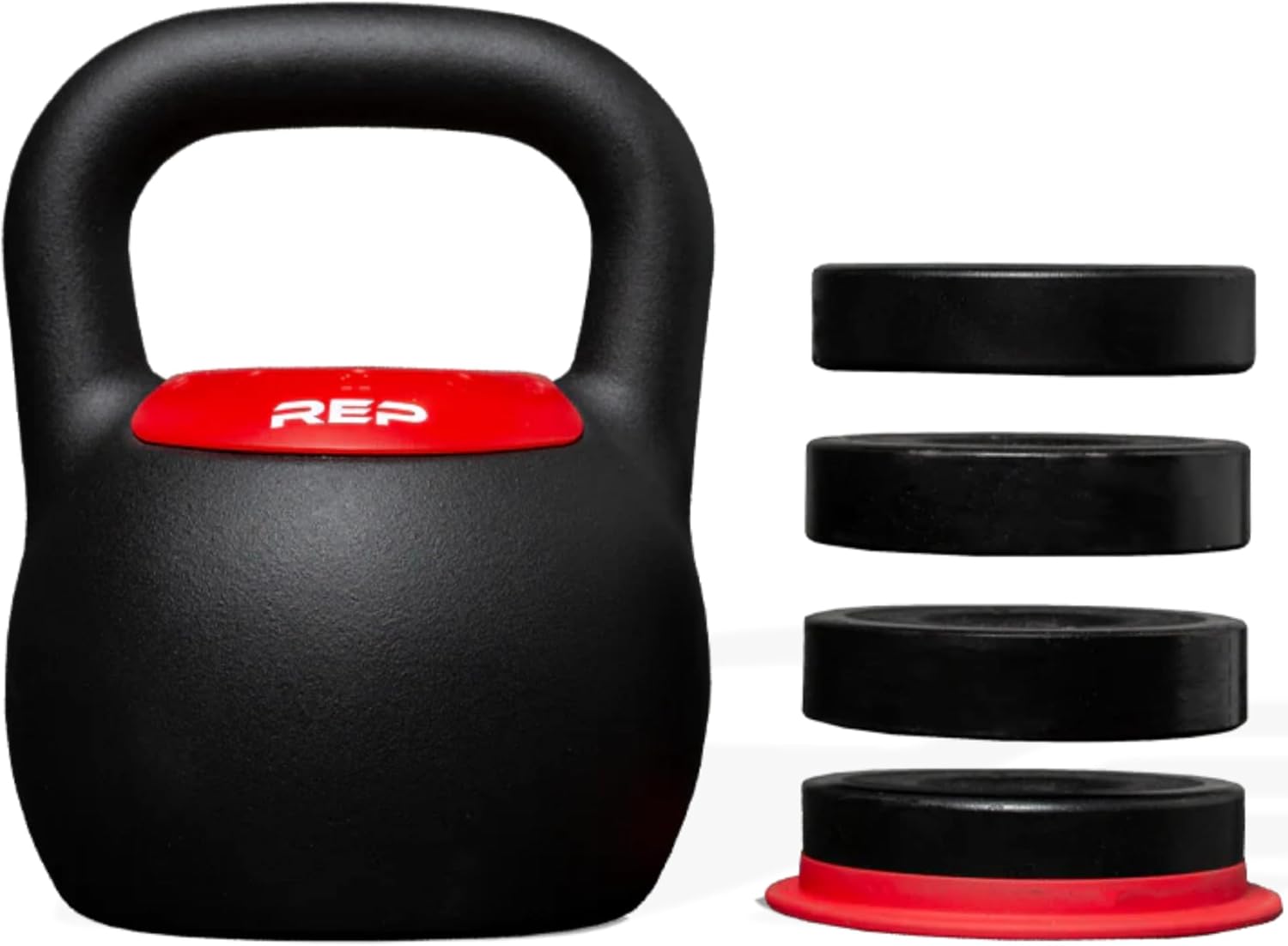 Rep Fitness Adjustable Kettlebell
- Handle Diameter: 1.3 inches
- Material: Iron
- Recommended Uses For Product: Cross Fit, HIIT, Weight Lifting



As an Amazon Associate we earn from qualifying purchases at no extra cost to you.
As an Amazon Associate we earn from qualifying purchases.

Quick Comparison
| Model | Load Range | Settings | Adjustment Method | Grip Style | Best Suited For |
|---|---|---|---|---|---|
| BowFlex SelectTech 840 Adjustable Kettlebell | 8 – 40 lb | 6 preset weights | Single dial on base cradle | Wide molded handle, smooth coated finish | Home lifters running swings, presses, and flows in a tight footprint |
How to Choose
- Measure the grip window, not the handle. What matters is the clear space between the handle underside and the bell body. Too narrow and a two-hand swing pinches your fingers; too tall and the bell wobbles overhead. Look for enough clearance to stack both hands comfortably with gloves on.
- Test the adjustment under stress, not on the shelf. A dial should reseat cleanly even when you’re breathing hard and setting the bell down sloppily. If a mechanism demands perfect alignment to release, it will interrupt every superset you plan.
- Know where your top end actually is. A 40-pound ceiling covers swings, cleans, and single-arm presses for most intermediate lifters. If you’re already swinging heavy doubles, an adjustable is a supplement rather than a replacement.
- Watch the center of mass through the range. Adjustables shift their balance as plates engage. The good ones keep the load low and centered so the bell rolls into the rack position instead of slapping your forearm.
- Account for the base. Every dial-style bell needs its cradle nearby. Confirm the footprint fits your storage spot and that the shell tolerates the surface you’ll be setting it down on — concrete is unforgiving to molded plastic.
Top Picks Reviewed
BowFlex SelectTech 840 Adjustable Kettlebell
The 840’s core argument is arithmetic: six bells, one footprint, roughly the space of a shoebox. You seat it in the base, turn the dial to the number you want, and lift the handle away — the plates you didn’t select stay behind in the cradle. In practice the transition takes a few seconds, which is fast enough to run ladders or drop sets without killing your heart rate. The jumps are sensibly spaced for the lower half of the range (8 to 12 to 20) and get coarser as you climb, so the 25-to-35 gap is the one you’ll feel most, particularly on single-arm pressing where a ten-pound leap is a real change in difficulty.
On grip, the molded handle is the design’s most polarizing feature. It’s broad and flat-faced rather than round and knurled, which makes two-hand swings genuinely comfortable — there’s room for both palms without stacking fingers awkwardly. The flip side is that the coated surface offers less bite than raw cast iron. Sweat management becomes part of your workout: a towel within reach, or chalk if your floor tolerates it. Lifters coming from competition-style bells will notice the handle is thicker and the edges softer, which is easier on the palms during high-rep work but slightly less secure during heavy one-arm swings at the top of the range.
Rack position is the other thing worth setting expectations on. Because the body is a squared-off shell rather than a rounded cast bell, it sits against the forearm differently than a traditional kettlebell — flatter, with a broader contact patch. Some lifters prefer it; others find it takes a session or two to stop favoring the wrist. Cleans and presses work fine once you’ve adjusted your catch. Where the 840 shines is in circuits: goblet squats, swings, rows, and carries all in one implement, with a weight change between stations instead of a shopping trip. Where it asks for care is durability — it’s a mechanical, shelled product, so setting it down deliberately rather than dropping it is part of the deal, and it isn’t intended for high-volume snatching or anything that puts it airborne.
Frequently Asked Questions
Can one adjustable kettlebell really replace a full set?
For most home training goals, yes — with a caveat. Covering 8 through 40 pounds handles the majority of swing, squat, press, and carry work for beginners through solid intermediates. What it can’t do is let two people train simultaneously at different loads, or serve double-bell work. If either of those is your routine, you need two bells regardless of adjustability.
How secure is the dial mechanism during hard sets?
The plates lock when the handle leaves the base, so mid-set weight changes aren’t a realistic failure mode. The habit to build is confirming the dial has fully seated on its number before you lift — a partial setting is the main way people run into trouble, and it’s audible and visible if you’re paying attention for a second.
Does the wide handle hurt one-hand work?
It changes it more than it hurts it. A thicker handle recruits more forearm and finger strength, which some lifters treat as a bonus. For single-arm swings near the 40-pound setting, a hook grip with your thumb over your fingers and a dry surface makes the difference between confident reps and a bell you’re babysitting.
Will it survive a garage floor?
It will survive being set down. It won’t enjoy being dropped from overhead onto concrete. A rubber mat or a square of plywood in your training spot is cheap insurance and also protects the base cradle, which is the part you’ll be handling most often.
Final Thoughts
Adjustable kettlebells solve a space problem, and the SelectTech 840 solves it about as elegantly as a dial mechanism can — six loads, one cradle, seconds between changes. Judge it on grip and load, as promised: the load range is generous enough for real progression up to a genuine 40-pound ceiling, and the handle trades cast-iron bite for two-hand comfort and palm-friendly width. If you train in a small room and want one implement that scales with you, that’s a trade worth making. If you’re already swinging past 40 pounds or chasing high-volume snatch work, treat this as a versatile complement to heavier iron rather than the whole toolkit.
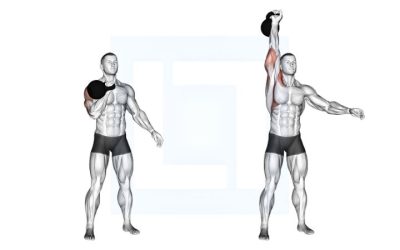
Best Kettlebell Weight for Men: How to Pick the Right Size
Best kettlebell weight for men is the decision that quietly settles whether...
Best Kettlebell Ab Exercises: 6 Adjustable and Fixed Picks
Best kettlebell ab exercises rarely share a single weight. A loaded carry,...
Best Kettlebell Core Exercises: 6 Picks for Floor Space
Best kettlebell core exercises tend to be floor-based or overhead, which makes...
Best Kettlebell Exercise for Abs: 5 Bells for Long Holds
Best kettlebell exercise for abs options nearly all involve holding load away...
Best Kettlebell Ab Workout: 6 Bells Sized for Circuit Work
Best kettlebell ab workout equipment is chosen for sustained rounds, not for...
Best Kettlebell Weight: How to Size It Plus 6 Top Picks
Best kettlebell weight is not one number, because a swing, a press...
Best Kettlebell Routine: How to Pick the Right Bell Weight
Best kettlebell routine arguments usually skip the one decision that determines whether...
Best Kettlebell Routines: 6 Bells Matched to Each Format
Best kettlebell routines fail more often on equipment than on programming. A...
Best Kettlebell Training: 6 Bells to Build a Progression
Best kettlebell training runs into a hardware problem early: the traditional weight...
Best Workout Kettlebell: 6 Bells Matched to Your Training
Best workout kettlebell choices depend entirely on the session you plan to...
Write Your Review
No reviews yet. Be the first to share your experience!