Key takeaways
- Slat spacing under 3 inches: This is the single number that matters most. Tempur-Pedic specifies gaps no wider than 3 inches for their foam, and many mainstream frames ship with 4 to 6 inch gaps. Measure the listing photos against the spec sheet before you buy, and if the gaps are borderline, a sheet of 1/4-inch plywood or a bunkie board closes them cheaply.
- Center rail with legs, not just a crossbar: A queen frame needs at least one center support running head to foot with its own legs touching the ground. Frames that rely only on perimeter rails will bow under 130 pounds of foam plus occupants, and that bow transfers straight into the mattress.
- Steel gauge and stated load capacity: Look for capacity ratings in the 2,000 to 3,500 pound range on metal frames. That number is partly marketing, but the ones that publish it are generally using thicker tube stock. Thin-wall steel flexes at the welds and starts creaking within months.
- Solid wood over engineered panels: If you’re going the wood route, pine, bamboo, or hardwood slats hold fastener threads far better than MDF or particleboard. Engineered slats crack at the screw holes, and once one goes the load redistributes onto its neighbors.
- Bolted joints beat hooked brackets: Frames that hook together with slip-in brackets develop play and noise as the connection wears. Look for through-bolts with lock washers or nylon-insert nuts, and plan to retorque everything after the first month of use.
What's inside
Tempur-Pedic mattresses are dense, heavy, and unforgiving about what sits underneath them. Drop one on a frame with slats spaced four or five inches apart and you’ll feel it inside a year: soft valleys where the foam sags between supports, a warranty claim that gets denied for improper foundation, and a mattress that no longer sleeps the way it did in the showroom. A queen TEMPUR-ProAdapt runs well over 100 pounds on its own, and that’s before you add two adults. The frame is doing real structural work here, not just holding the mattress off the floor.
I’ve built and torn down enough platform beds in my own house to know which specs actually matter and which are marketing filler. This guide walks through six frames that handle memory foam properly, covers the slat spacing and load-rating numbers Tempur-Pedic’s own warranty language cares about, and flags the assembly quirks you’ll run into with a hex key on the bedroom floor at 9pm.
As an Amazon Associate we earn from qualifying purchases.



🛒 Best Price Today on Amazon
Prime members get fast, free shipping on everything above, plus member-only deals. New members get a 30-day free trial — cancel anytime.
How to Choose a Bed Frame For Tempur Mattress (2026)
- Slat spacing under 3 inches: This is the single number that matters most. Tempur-Pedic specifies gaps no wider than 3 inches for their foam, and many mainstream frames ship with 4 to 6 inch gaps. Measure the listing photos against the spec sheet before you buy, and if the gaps are borderline, a sheet of 1/4-inch plywood or a bunkie board closes them cheaply.
- Center rail with legs, not just a crossbar: A queen frame needs at least one center support running head to foot with its own legs touching the ground. Frames that rely only on perimeter rails will bow under 130 pounds of foam plus occupants, and that bow transfers straight into the mattress.
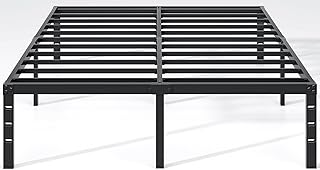
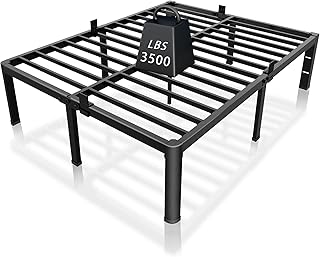
- Steel gauge and stated load capacity: Look for capacity ratings in the 2,000 to 3,500 pound range on metal frames. That number is partly marketing, but the ones that publish it are generally using thicker tube stock. Thin-wall steel flexes at the welds and starts creaking within months.
- Solid wood over engineered panels: If you’re going the wood route, pine, bamboo, or hardwood slats hold fastener threads far better than MDF or particleboard. Engineered slats crack at the screw holes, and once one goes the load redistributes onto its neighbors.
- Bolted joints beat hooked brackets: Frames that hook together with slip-in brackets develop play and noise as the connection wears. Look for through-bolts with lock washers or nylon-insert nuts, and plan to retorque everything after the first month of use.
The Best Bed Frame For Tempur Mattress (2026)s Reviewed
ROIL 14 Inch Queen Bed Frame
The 3,500-pound rating and rounded corner welds make this the most over-built option here, and the four mattress baffles are a genuinely smart touch that keep a slick Tempur cover from creeping sideways overnight. The 12.4 inches of clearance underneath swallows storage bins, and the headboard mounting holes mean you’re not locked out of adding one later.
ZINUS Vivek Deluxe Wood Platform Bed
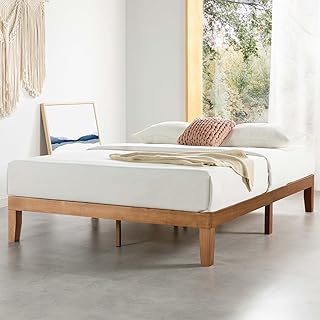
Zinus keeps slat spacing tight enough for foam without needing a bunkie board, and the slatted headboard arrives pre-assembled onto its posts, which cuts the build down to roughly 30 minutes. The wood-on-wood joinery stays quiet, though I’d add felt pads under the legs if you’re on hardwood floors.
NEW JETO Metal Bed Frame with Storage
Straightforward heavy-gauge steel with a 14-inch profile and no fuss, and the price-to-rigidity ratio is hard to argue with. Verify the slat gaps on arrival, since this is the category where a $25 plywood topper occasionally earns its keep.
Mellow Naturalista Classic 12 Inch
Solid pine construction that develops none of the metallic ticking you get from steel frames, and the 12-inch height suits taller Tempur models that would otherwise sit awkwardly high. Assembly is genuinely tool-light, though the pine will dent if you drag the mattress across the rails.
Merax Bamboo Platform Bed with Tall Headboard
Bamboo is denser than most pine and shrugs off humidity swings better, which matters if your bedroom runs damp. The tall headboard is the visual selling point, but the noise-free joinery is the practical one — this frame stays silent through a lot of tossing.
Frequently Asked Questions
Does a Tempur mattress need a box spring?
No, and using one will likely void your warranty. Tempur-Pedic foam requires a firm, continuous or closely slatted surface. A traditional coil box spring flexes in ways that damage the foam core.
What slat spacing does Tempur-Pedic require?
No more than 3 inches between slats. If your frame exceeds that, add a bunkie board or a plywood sheet cut to the frame’s interior dimensions.
Can I put my Tempur mattress on a metal frame?
Absolutely, provided the frame has adequate center support and tight slat spacing. Steel frames often outperform wood on load capacity.
Why is my new frame creaking?
Almost always under-torqued fasteners. Go back around every bolt with the supplied wrench after a week of use, and add a nylon washer at any metal-on-metal contact point that still complains.
Final Thoughts
If you want one frame that will never be the weak link, the ROIL 14 Inch is the pick — the load rating and mattress baffles solve real problems that Tempur owners actually hit. For a quieter, warmer build, the ZINUS Vivek Deluxe gets slat spacing right out of the box, and the Mellow Naturalista Classic is the best value in solid wood if you’re comfortable spending twenty minutes with a hex key.