Key takeaways
- Measure the rail, not the frame: Run a tape from the slat surface to the top edge of the guardrail, then subtract five inches. That number is your ceiling for mattress thickness on any upper bunk, and it’s usually 6 to 8 inches on adult-rated frames.
- Check slat spacing before foam: Gaps wider than about three inches will let an all-foam mattress sag between boards and break down early. A sheet of quarter-inch plywood or a few extra slats is a fifteen-minute fix that doubles the mattress lifespan.
- Favor medium firm for adult mass: Plush foams that feel great at 130 pounds bottom out at 200. Medium firm keeps your spine neutral and stops the mattress from hammocking against the slats under sustained load.
- Take cooling seriously up top: Heat pools near the ceiling, and an upper bunk sits right in it. Gel infusions, bamboo charcoal, and open-cell foams all help, and the difference is noticeable within the first week.
- Match the size to the actual frame: Full bunks commonly need 75″ x 54″, while RV and cabin builds often call for a short queen. Order the wrong length and you’ll fight a two-inch gap at the footboard forever.
What's inside
If you’ve ever built or reinforced a bunk bed yourself, you already know the constraint that trips up most adult buyers: the guardrail height. Manufacturers set that rail assuming a mattress somewhere in the 5 to 8 inch range, and the safety math falls apart the moment you drop in a plush 12 inch slab. Adults need real support — more mass on the slats, more pressure at the hips and shoulders — but the frame won’t forgive extra height. That tension is why so many bunk mattresses feel like a compromise nobody wanted.
This guide works through that problem the way a maker would: start with the frame’s actual limits, measure your slat spacing, then pick foam density and construction that carry adult weight inside the space you have. Below you’ll find picks that stay slim enough to keep at least five inches of rail above the sleep surface, plus a couple of thicker options for lower bunks and loft beds with taller rails. Everything here is CertiPUR-US certified foam, because off-gassing in a confined upper bunk is a genuinely different experience than in an open bedroom.
As an Amazon Associate we earn from qualifying purchases.


🛒 Best Price Today on Amazon
Prime members get fast, free shipping on everything above, plus member-only deals. New members get a 30-day free trial — cancel anytime.
How to Choose a Bunk Bed Mattress For Adults (2026)
- Measure the rail, not the frame: Run a tape from the slat surface to the top edge of the guardrail, then subtract five inches. That number is your ceiling for mattress thickness on any upper bunk, and it’s usually 6 to 8 inches on adult-rated frames.
- Check slat spacing before foam: Gaps wider than about three inches will let an all-foam mattress sag between boards and break down early. A sheet of quarter-inch plywood or a few extra slats is a fifteen-minute fix that doubles the mattress lifespan.
- Favor medium firm for adult mass: Plush foams that feel great at 130 pounds bottom out at 200. Medium firm keeps your spine neutral and stops the mattress from hammocking against the slats under sustained load.
- Take cooling seriously up top: Heat pools near the ceiling, and an upper bunk sits right in it. Gel infusions, bamboo charcoal, and open-cell foams all help, and the difference is noticeable within the first week.
- Match the size to the actual frame: Full bunks commonly need 75″ x 54″, while RV and cabin builds often call for a short queen. Order the wrong length and you’ll fight a two-inch gap at the footboard forever.
The Best Bunk Bed Mattress For Adults (2026)s Reviewed
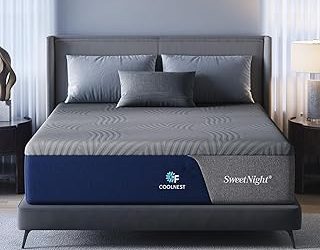
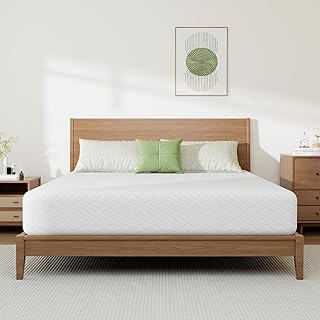
MLILY 8 Inch Full Green Tea Memory Foam
The green tea and gel infusion does real work on odor and heat retention, which matters most in a confined upper bunk where air barely moves. At 8 inches with a medium firm feel, it clears typical guardrails while still giving adult hips something substantial to sink into.
Full Size 8 Inch Memory Foam Mattress in a Box
A straightforward fiberglass-free build in the exact 75″ x 54″ footprint most full bunks are cut for, which spares you the shim-and-pray routine at the corners. It leans slightly softer than the MLILY, making it a sensible pick for side sleepers under about 200 pounds.
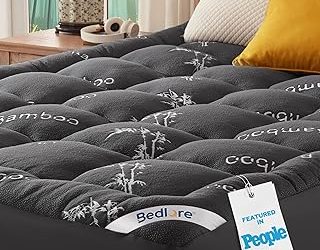
Lucid 8″ Gel Memory Foam with Bamboo Charcoal
Bamboo charcoal handles moisture and odor better than most infusions, and Lucid’s foam density holds its shape on wider slat spacing than competitors tolerate. The queen size suits loft beds and standalone platforms where rail height isn’t the limiting factor.
Cool Gel 8-Inch Short Queen
Short queen is the sizing nobody stocks locally, and this one nails it for RV bunks, cabin builds, and custom frames cut to 74 inches. The gel layer runs genuinely cool, which is the whole point in a tight sleeping nook with limited ventilation.
14 Inch Medium Firm Hybrid with Pocket Coils
Pocket coils and reinforced edges make this the most supportive option here for heavier adults, with zoned lumbar support that all-foam builds can’t match. Reserve it for a lower bunk or loft — 14 inches will overwhelm any standard upper guardrail.
Frequently Asked Questions
How thick can a bunk bed mattress actually be?
For an upper bunk, keep at least five inches of guardrail above the finished mattress surface. That puts most adult sleepers at 6 to 8 inches. Lower bunks and loft beds with tall rails can take 10 to 14 inches comfortably.
Will an 8 inch mattress support an adult long term?
Yes, provided the foam is dense enough and the slat base is solid. Density and slat support matter more than thickness — an 8 inch medium firm foam over closely spaced slats outperforms a 12 inch mattress bridging four-inch gaps.
Do I need a box spring or foundation?
No. Bunk beds are designed for a mattress directly on the slats, and adding a foundation eats your rail clearance. If the slats flex, add plywood or more slats instead.
How long should I let a new mattress expand?
Unbox it on the floor rather than the bunk, give it 24 to 48 hours to reach full loft, and let it air out before you make the bed. Compressed foam pushed straight into a tight bunk frame often expands unevenly.
Final Thoughts
For most adults on an upper bunk, the MLILY 8 Inch Green Tea Memory Foam hits the best balance of clearance, cooling, and support, with the Lucid 8″ Gel and Bamboo Charcoal a close second if you want stronger odor and moisture control. If your bunk sits low or you’re building a loft with taller rails, the 14 Inch Hybrid with pocket coils gives you the edge support and lumbar zoning that heavier sleepers will feel from the first night.