Key takeaways
- Measure the frame, not the cushions: Run your tape across the outside of both arms at the widest point, then front-to-back over the seat. Slipcover sizing charts reference that arm-to-arm number, and guessing is the single biggest reason covers get returned.
- Prioritize anti-slip backing over thread count: On leather, a rubberized or silicone-dotted underside does more for daily appearance than any amount of plush pile. Elastic straps and tuck-in flaps are the second line of defense.
- Decide between full-wrap and cushion-only: A one-piece stretch cover hides everything including tired arms. Individual seat covers keep your leather visible and only address the wear zone — much better if the sofa still looks good from the sides.
- Check water behavior honestly: “Water-repellent” means you have a minute or two to grab a towel. It is not waterproof. If you have a puppy or toddlers with juice cups, look for a backed layer, not just a treated face fabric.
- Plan for laundry day: Anything covering leather will collect fur and skin oils. Confirm it’s machine washable at home and check whether it needs low-heat drying, since high heat kills elastic and grip coatings fast.
What's inside
Leather does something no woven fabric does: it refuses to cooperate. Slipcovers that grip a linen sofa perfectly will skate across a leather seat deck the moment someone sits down, bunching into a ridge behind the knees within a week. Add sun-faded arms, hairline cracks along the seat crease, and a dog who treats the cushions as a landing pad, and you end up covering furniture that cost more than the cover ever will. Most buyers try two or three before they find one that actually stays where they put it.
I’ve fitted a lot of these covers, both on my own sofas and on hand-me-down pieces I’ve reupholstered, and the pattern is consistent: fit beats fabric, and grip beats both. Below are six covers worth your money in 2026, grouped by the real problems they solve — full-sofa coverage, oversized frames, pet traffic, and cushion-only repair jobs. Each one gets an honest read on where it works and where it will frustrate you.
As an Amazon Associate we earn from qualifying purchases.




🛒 Best Price Today on Amazon
Prime members get fast, free shipping on everything above, plus member-only deals. New members get a 30-day free trial — cancel anytime.
How to Choose a Couch Cover For Leather Sofa (2026)
- Measure the frame, not the cushions: Run your tape across the outside of both arms at the widest point, then front-to-back over the seat. Slipcover sizing charts reference that arm-to-arm number, and guessing is the single biggest reason covers get returned.
- Prioritize anti-slip backing over thread count: On leather, a rubberized or silicone-dotted underside does more for daily appearance than any amount of plush pile. Elastic straps and tuck-in flaps are the second line of defense.
- Decide between full-wrap and cushion-only: A one-piece stretch cover hides everything including tired arms. Individual seat covers keep your leather visible and only address the wear zone — much better if the sofa still looks good from the sides.
- Check water behavior honestly: “Water-repellent” means you have a minute or two to grab a towel. It is not waterproof. If you have a puppy or toddlers with juice cups, look for a backed layer, not just a treated face fabric.
- Plan for laundry day: Anything covering leather will collect fur and skin oils. Confirm it’s machine washable at home and check whether it needs low-heat drying, since high heat kills elastic and grip coatings fast.
The Best Couch Cover For Leather Sofa (2026)s Reviewed
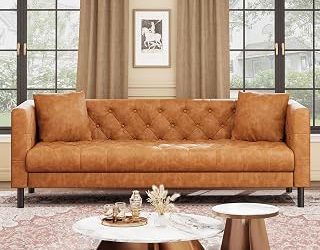
Couch Cover Leather Look 3 Seater Stretch Slipcover
This is the pick when you want the sofa to still read as leather — the faux-leather face fabric stretches over the frame and the elastic bottom pulls tight underneath, so it reads as an upholstery job rather than a throw. Work it on in stages from the back forward and use the side pockets to anchor the tuck; rushing the fit is what leaves those telltale wrinkles across the seat.
Quilted Grand Sofa Cover, Water-Repellent
Built for the 88-inch-and-up frames that defeat standard slipcovers, with a quilted body that spans four cushions without stranding you mid-seat. The ivory white is genuinely bright, which looks fantastic in a light room but demands you take the washable claim seriously — plan on a wash every few weeks in a busy household.
Smiry Couch Cover for Dogs
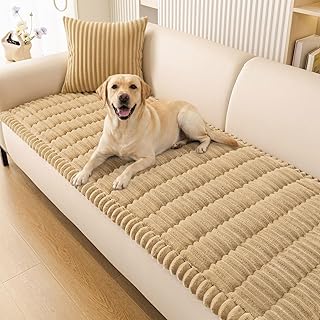
A seat-deck protector rather than a full cover, and it’s my go-to recommendation for people whose leather is otherwise fine but whose dog has claimed one end. The non-slip backing holds on smooth leather better than most in this category, and at 27.6″ x 70.9″ it drops onto a three-seater without any fitting fuss.
Couch Cover for 2 Cushion Sofa, Non Slip
The loveseat-scale version of the same idea, sized at 27.6″ x 59″ for two-cushion frames where longer mats bunch and sag off the front edge. The plush face hides fur well in chocolate, and the scratch layer is thick enough that claws catch fabric instead of finish.
ANARACHON Leather Look Cushion Covers
Individual stretch spandex covers with a leather-look finish, ideal for the classic failure mode where the seat cushions have cracked but the arms and back are intact. Because each cushion is wrapped separately, you get a tailored look without the baggy skirt of a one-piece cover — just confirm your cushions actually lift out before ordering.
Frequently Asked Questions
Will a slipcover slide around on leather?
Yes, unless it’s engineered against it. Look for silicone or rubber backing plus elastic straps, and tuck any excess fabric deep into the crease between seat and back to create friction. A few foam tuck wedges from a fabric store make a noticeable difference.
Can a cover hide cracked or peeling leather?
It can hide it, but not stop it. Peeling bonded leather will continue to flake underneath, so vacuum the surface before covering and check every few months. For seat-only damage, cushion covers give a cleaner result than draping the whole sofa.
Do these work on recliners and sectionals?
Cushion-set and mat-style covers adapt well to sectionals since you’re covering sections independently. One-piece stretch covers rarely accommodate reclining mechanisms — measure the closed position and expect to reseat the cover after use.
How often should I wash it?
Every two to four weeks with pets, monthly otherwise. Wash cold, skip fabric softener since it degrades grip coatings, and tumble dry low or line dry to protect the elastic.Final Thoughts
For a complete visual reset on a three-seater, the Leather Look 3 Seater Stretch Slipcover delivers the most convincing result for the effort. If your leather is sound and the problem is a dog, the Smiry Couch Cover handles daily fur and claws with the best grip in its class. And when only the seats have failed, the ANARACHON cushion covers give you a tailored fix without recovering the whole frame.