Key takeaways
- Measure deck to rail, not just the frame: Pull a tape from the slat surface to the top of the side rail. That number is your ceiling. Go over it by more than an inch or two and the rail stops holding the mattress in place, which matters a lot if the daybed doubles as a couch.
- Match thickness to the job: A 5–6 inch mattress keeps a daybed sittable and works with trundles that need to slide underneath. Step up to 8–9 inches only if the frame has tall rails and sleeping is the primary use. Twelve inches belongs on a platform bed, not most daybeds.
- Check your slat gaps: Anything wider than about 3 inches will let foam sag between the boards over time. If you’re working with an older frame, cut a sheet of 1/4-inch plywood or add cross slats before you buy. It’s a twenty-minute fix that doubles mattress life.
- Prioritize edge support if it’s seating: All-foam mattresses compress at the perimeter where you sit down. Pocketed-coil hybrids hold their shape better under repeated edge loading, so pick one if the daybed lives in a family room.
- Confirm fiberglass-free and CertiPUR-US: Both matter more here than on a bed you never sit on. Daybed mattresses get moved, flipped, and stripped constantly, and a cover that fails on a fiberglass-lined mattress becomes a genuine cleanup problem. A removable, washable cover is a real bonus.
What's inside
A daybed sits in an awkward spot in the furniture world: it looks like a sofa, sleeps like a bed, and takes a mattress that has to do both jobs without complaint. I found this out the hard way after building a pine daybed frame for my spare room and dropping a standard 12-inch twin mattress onto it. The thing swallowed the back rail, turned the seat into a perch you had to climb, and made the whole build look like a mistake. Height is the variable most people ignore, and it’s the one that decides whether your daybed reads as intentional or improvised.
This guide comes from measuring, swapping, and sleeping on a lot of slim mattresses across a few different frames — including two I built myself and one flea-market metal frame with slats spaced wider than they should be. Below you’ll find picks that suit low-profile daybeds, trundle setups, and dual-duty guest rooms, plus a rundown of what actually matters when you’re choosing: deck-to-rail clearance, slat support, edge stability, and whether a mattress can survive being used as seating five days a week.
As an Amazon Associate we earn from qualifying purchases.


How to Choose a/an Daybed Mattresses (2026)
- Measure deck to rail, not just the frame: Pull a tape from the slat surface to the top of the side rail. That number is your ceiling. Go over it by more than an inch or two and the rail stops holding the mattress in place, which matters a lot if the daybed doubles as a couch.
- Match thickness to the job: A 5–6 inch mattress keeps a daybed sittable and works with trundles that need to slide underneath. Step up to 8–9 inches only if the frame has tall rails and sleeping is the primary use. Twelve inches belongs on a platform bed, not most daybeds.
- Check your slat gaps: Anything wider than about 3 inches will let foam sag between the boards over time. If you’re working with an older frame, cut a sheet of 1/4-inch plywood or add cross slats before you buy. It’s a twenty-minute fix that doubles mattress life.
- Prioritize edge support if it’s seating: All-foam mattresses compress at the perimeter where you sit down. Pocketed-coil hybrids hold their shape better under repeated edge loading, so pick one if the daybed lives in a family room.
- Confirm fiberglass-free and CertiPUR-US: Both matter more here than on a bed you never sit on. Daybed mattresses get moved, flipped, and stripped constantly, and a cover that fails on a fiberglass-lined mattress becomes a genuine cleanup problem. A removable, washable cover is a real bonus.
The Best Daybed Mattresses (2026)s Reviewed
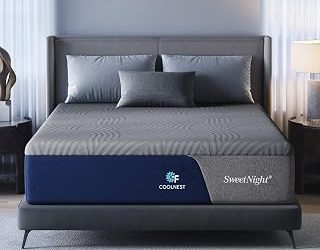
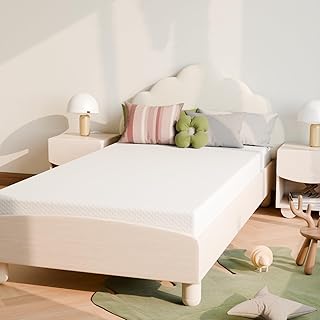
Twin 5-Inch Cooling Gel Memory Foam (Bunk, Daybed & Trundle Compatible)
This is the pick I keep recommending to anyone whose daybed has short rails, because 5 inches leaves the frame’s proportions intact and still clears a trundle underneath. Medium-firm gel foam gives enough pushback that it doesn’t feel like a floor cushion when you sit, and the fiberglass-free build is reassuring on a mattress kids will jump on.
Twin 5-Inch Medium Firm for Kids, Adults & Guests
Functionally close to the pick above, with a slightly plusher top feel that guests tend to prefer over a night or two. CertiPUR-US certification plus a genuinely light profile makes this the easiest one to wrestle up a narrow staircase solo.
Lucid 8″ Gel Memory Foam with Bamboo Charcoal
If your daybed rails run tall and sleep quality outranks seating comfort, the extra 3 inches here changes the experience considerably — proper contouring instead of thin-foam compromise. The bamboo charcoal layer does noticeably cut odor buildup in a room that stays closed between guests.
Ottomanson Twin 9″ Hybrid with Pocketed Coils
The best edge support of the group, and the one I’d choose for a daybed that gets sat on daily. Individually pocketed coils keep the perimeter from collapsing, and the US-made construction feels a step above the imported foam options once you handle the cover seams.
FDW 8-Inch Full with Removable Washable Cover
Full-size daybeds are underserved, and this one covers that gap with a dual-layer gel foam build at a fair price. The zip-off washable cover is the standout feature — genuinely useful on a surface that collects crumbs, pet hair, and spilled coffee.
Frequently Asked Questions
What mattress thickness works best on a daybed?
Five to eight inches covers most frames. Measure from your slats to the top of the side rail and stay within an inch or so of that figure. Thicker mattresses hide the rails and make the daybed uncomfortable to sit on.
Can I use a regular twin mattress on a daybed?
Dimensionally yes, since daybeds take standard twin sizes. Practically, standard twins run 10–12 inches and overwhelm most daybed frames. The size is right; the profile usually isn’t.
Do I need a box spring or bunkie board?
No box spring. If your slats sit more than 3 inches apart, add a bunkie board or thin plywood sheet to stop the foam from dipping between supports.
Foam or hybrid for a daybed?
Foam if it’s mainly a guest bed and you need a slim profile. Hybrid if it’s daily seating, since pocketed coils resist edge breakdown far better.
Final Thoughts
For most daybeds, the 5-inch cooling gel twin is the right call — it respects the frame’s proportions, clears a trundle, and costs little enough that you can add a topper later. If your daybed pulls double duty as a sofa, the Ottomanson 9″ hybrid earns its extra thickness through real edge support, and full-size frames should go straight to the FDW 8-inch for that washable cover alone.