Key takeaways
- Vertical lift, not just hose length: A spec sheet claiming 16.4 feet usually means total lift height, and pump performance drops as you approach that ceiling. Measure from the unit’s base to your discharge point, then leave 25 percent headroom so the pump isn’t straining every cycle.
- Pint rating versus the 2019 DOE standard: Capacity is now tested at 65°F rather than 80°F, so a modern 50-pint unit roughly matches an older 70-pint label. Compare numbers within the same standard or you’ll badly undersize the machine.
- Auto defrost for cold rooms: Below about 65°F, coils frost over and airflow collapses. Any unit destined for an unheated crawl space or garage needs genuine auto defrost, not just a low-temp warning light.
- Filter access and hose fittings: Look for a washable filter you can pull without tools and a standard 5/8-inch garden-hose thread on the drain port. Proprietary quick-connects mean a trip to a specialty supplier when the fitting cracks.
- Caster quality and handle geometry: These machines weigh 40 to 90 pounds. Cheap hard-plastic wheels bind on concrete expansion joints, and a recessed side handle beats a top loop when you’re pivoting a unit through a 30-inch doorway.
What's inside
Anyone who has hauled a sloshing water bucket up basement stairs at 6 a.m. knows the real weak point of a dehumidifier isn’t the compressor, it’s the tank. A 70-pint unit in a damp crawl space can fill its reservoir twice a day, and the moment you skip an emptying, the float switch trips and the machine sits idle while the moisture creeps back into your framing, your baseboards, and the veneer on that dresser you refinished last spring. Gravity drainage helps, but only if you happen to have a floor drain lower than the outlet port, which most finished basements and slab crawl spaces simply don’t.
That’s where a built-in condensate pump earns its keep. Instead of relying on downhill flow, the internal pump pushes water vertically through a slim hose, out a window well, into a utility sink, or over to a laundry standpipe 15 feet away. This guide breaks down what actually matters when shopping pump-equipped units in 2026, then walks through the models worth your money, from compact crawl space workhorses to 190-pint restoration-grade machines.
As an Amazon Associate we earn from qualifying purchases.

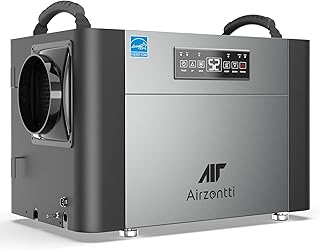


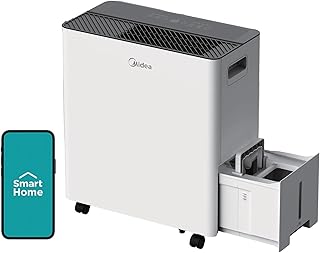
🛒 Best Price Today on Amazon
Prime members get fast, free shipping on everything above, plus member-only deals. New members get a 30-day free trial — cancel anytime.
How to Choose a/an Dehumidifier With Built In Pump (2026)
- Vertical lift, not just hose length: A spec sheet claiming 16.4 feet usually means total lift height, and pump performance drops as you approach that ceiling. Measure from the unit’s base to your discharge point, then leave 25 percent headroom so the pump isn’t straining every cycle.
- Pint rating versus the 2019 DOE standard: Capacity is now tested at 65°F rather than 80°F, so a modern 50-pint unit roughly matches an older 70-pint label. Compare numbers within the same standard or you’ll badly undersize the machine.
- Auto defrost for cold rooms: Below about 65°F, coils frost over and airflow collapses. Any unit destined for an unheated crawl space or garage needs genuine auto defrost, not just a low-temp warning light.
- Filter access and hose fittings: Look for a washable filter you can pull without tools and a standard 5/8-inch garden-hose thread on the drain port. Proprietary quick-connects mean a trip to a specialty supplier when the fitting cracks.
- Caster quality and handle geometry: These machines weigh 40 to 90 pounds. Cheap hard-plastic wheels bind on concrete expansion joints, and a recessed side handle beats a top loop when you’re pivoting a unit through a 30-inch doorway.
The Best Dehumidifier With Built In Pump (2026)s Reviewed
5000 Sq.Ft 100 Pint Dehumidifier with Pump
The sweet spot for most whole-basement setups: ENERGY STAR 2024 certification keeps running costs sane during a humid August, and three drainage modes mean you can start with the bucket, switch to gravity, then commit to the 16.4-foot pump run once you’ve decided where the hose lives. Smart humidity control holds a set point tightly enough that the compressor isn’t short-cycling all night.
155 Pint Commercial Dehumidifier with Pump and Drain
Built for volume rather than finesse, this one shines in open crawl spaces and post-flood cleanups where you need aggressive extraction and a hose you can forget about. Auto defrost plus Energy Star certification is an unusual pairing at this capacity, which makes it a legitimate year-round option rather than a rental-tier machine.
BSMTEK 190 Pint Industrial Dehumidifier
At 6000 square feet of coverage this is restoration equipment, and it behaves like it: heavy-gauge housing, high static-pressure blower, and a pump that keeps up with genuine standing-water scenarios. Overkill for a dry-ish basement, exactly right if you’re drying out framing after a burst supply line.
Waykar 155 Pint Commercial Dehumidifier
The five-year coverage is the headline here, and it matters on a machine with a pump, since pumps are typically the first component to fail. The washable filter and 8000 square foot rating make it a sensible pick for shop spaces or a large multi-room lower level.
Moiswell Defender MP70 145 Pint
Purpose-designed for tight clearances, with a low-profile cabinet that fits crawl spaces where a standard tower simply won’t stand upright. The timer and auto defrost combination lets you run it unattended through a cold shoulder season without babysitting the coils.
Frequently Asked Questions
Does the pump run continuously?
No. Condensate collects in a small internal reservoir and a float triggers the pump for a few seconds at a time. You’ll hear a brief hum every several minutes under heavy load, and far less often in a room that’s already near target humidity.
Can I run the drain hose uphill the whole way?
Yes, that’s the entire point of an internal pump. Keep the rise as steady as possible and avoid sags where water can pool, since trapped water encourages biofilm and eventually restricts flow.
What humidity setting should I use in a basement?
Aim for 45 to 50 percent. Lower settings pull more energy and rarely provide extra protection, while anything above 55 percent leaves you in the range where mold and dust mites stay comfortable.
How often does the filter need cleaning?
Every two to four weeks in a dusty garage or during active construction, every couple of months in a clean finished space. A clogged filter starves the coil and shows up as reduced water output long before the machine throws an error.
Final Thoughts
For the majority of homes, the 5000 Sq.Ft 100 Pint unit with its 16.4-foot pump lift and ENERGY STAR rating handles a full basement without drama. Step up to the Waykar 155 Pint if you want serious capacity backed by five-year coverage, and reach for the BSMTEK 190 Pint only when you’re genuinely drying out water damage across a large footprint. The Moiswell Defender MP70 remains the smart choice for crawl spaces where height clearance dictates everything.