Key takeaways
- Non-detergent formula: Pump crankcases have no filter, so detergent additives suspend grit instead of letting it settle harmlessly at the bottom. Standard automotive oil circulates that debris straight through your bearings.
- Match the spec, not the bottle: General, CAT, AR, and Comet pumps each publish a recommended grade, commonly SAE 30 non-detergent or a 15W-40 equivalent. Check the plate on your pump before you pour anything in.
- Volume versus frequency: Most consumer pumps hold between 5 and 14 ounces. A 21-ounce bottle covers a couple of changes, while a gallon makes sense if you run several machines or service equipment for others.
- Anti-foam and corrosion additives: Pumps run at high plunger speeds that whip air into the oil. Look for formulas that specify foam suppression and rust inhibitors, especially if your washer stores in an unheated shed.
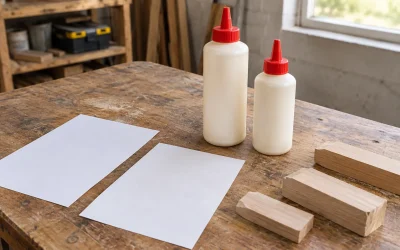
- Fill port design: Narrow crankcase openings punish wide-mouth quarts. Bottles with a spout or a squeeze neck save you a funnel and a puddle on the driveway.
The first time I cracked open the crankcase on a cold pump after a long winter, the oil came out looking like coffee with cream in it. Water had crept past the seals over months of sitting, and that milky sludge was busy pitting the crankshaft while I patched a deck out back. Pump oil is the cheapest insurance you will ever buy for a machine that costs several hundred dollars, and yet it is the part almost everyone skips. Most homeowners run the same factory fill for years, top it off with whatever quart is on the shelf in the garage, and then wonder why the unloader starts hunting or the pressure sags halfway through a job.
The confusion is understandable. Pressure washer pumps are not engines, so motor oil is the wrong answer, and the bottles that are right often carry vague labels that make cross-shopping a headache. This guide sorts out what actually matters: non-detergent formulas, the viscosity your pump manufacturer specified, and whether you need a purpose-made bottle or a bulk gallon that will outlast three seasons. Below are the oils I keep on my own bench, plus a practical checklist for matching one to your machine.
Our top picks

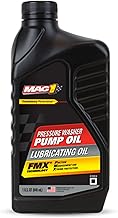
As an Amazon Associate we earn from qualifying purchases at no extra cost to you. Ratings are shown as listed on Amazon.
🛒 Best Price Today on Amazon
Prime members get fast, free shipping on everything above, plus member-only deals. New members get a 30-day free trial — cancel anytime.
How to Choose a/an Oil For Pressure Washer Pump (2026)
- Non-detergent formula: Pump crankcases have no filter, so detergent additives suspend grit instead of letting it settle harmlessly at the bottom. Standard automotive oil circulates that debris straight through your bearings.
- Match the spec, not the bottle: General, CAT, AR, and Comet pumps each publish a recommended grade, commonly SAE 30 non-detergent or a 15W-40 equivalent. Check the plate on your pump before you pour anything in.
- Volume versus frequency: Most consumer pumps hold between 5 and 14 ounces. A 21-ounce bottle covers a couple of changes, while a gallon makes sense if you run several machines or service equipment for others.
- Anti-foam and corrosion additives: Pumps run at high plunger speeds that whip air into the oil. Look for formulas that specify foam suppression and rust inhibitors, especially if your washer stores in an unheated shed.
- Fill port design: Narrow crankcase openings punish wide-mouth quarts. Bottles with a spout or a squeeze neck save you a funnel and a puddle on the driveway.
The Best Oil For Pressure Washer Pump (2026)s Reviewed
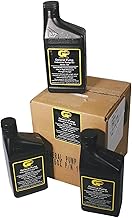
Stens Pump Oil for General Pump 100214
This is the safe default when your machine wears a General pump, since it matches the 100214 spec directly rather than approximating it. The single-serving size means no leftover half-quart oxidizing in the garage, which matters more than most people realize with non-detergent oils.
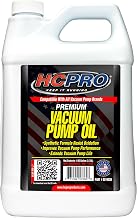
HCPRO HCVPO128 Super Premium Vacuum Pump Oil, 1 Gallon
A synthetic gallon that shines if you maintain multiple machines or also run vacuum equipment, and the non-misting formula keeps the crankcase vent from weeping oil film onto everything nearby. Verify your pump manufacturer permits a synthetic before switching, as a few older seal designs prefer conventional.
Valley Industries Premium Pump Oil, 1 Liter
The liter bottle hits a sensible middle ground for a homeowner with one washer, giving you roughly three changes without the waste of a gallon. Pour control is genuinely good, which is a real advantage on pumps with a recessed fill plug.
Pressure Washer Pump Oil, 21 Oz. (CAT Compatible)
Purpose-blended for CAT pump maintenance intervals, with corrosion and wear additives that earn their keep on machines stored between seasons. The 21-ounce size is close to ideal for a two-change cycle on a typical triplex plunger pump.
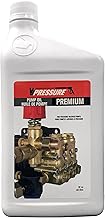
60694 Pump Oil, 1 Quart
A straightforward quart that covers the common non-detergent requirement across a wide range of consumer and prosumer pumps. Nothing exotic here, and that is the point when you want a reliable shelf staple.
Frequently Asked Questions
How often should I change pump oil?
Change the factory fill after the first 25 to 50 hours, then annually or every 200 to 500 hours depending on your manufacturer’s guidance. If you store the machine outdoors, an annual change matters regardless of hours run.
Can I use motor oil instead?
Not advisable. Detergent packages in motor oil keep contaminants in suspension, and without a filter those particles cycle repeatedly through the bearings and crosshead.
Why does my pump oil look milky?
Water intrusion past worn seals or condensation from temperature swings. Drain it immediately, refill, and plan on a seal kit if the milkiness returns within a few hours of use.
How much oil does my pump need?
Consult the manual, but expect 5 to 14 ounces for consumer pumps. Fill to the sight glass midpoint or the dipstick mark; overfilling forces oil out the vent and can pressurize the crankcase.
Final Thoughts
For most single-machine owners, the Valley Industries liter bottle or the Stens General Pump oil covers the job with no guesswork, and the 21-ounce CAT-compatible option is the one to grab if your pump wears a CAT badge. If you maintain a small fleet, the HCPRO gallon brings the per-change cost down dramatically. Whichever you choose, put a reminder on your phone for next spring — the change takes ten minutes and outlasts the machine’s warranty by years.