Key takeaways
- Compact controller (Pioneer DDJ-FLX4, Numark Mixtrack Pro FX, Hercules DJControl Inpulse 500): Needs 22 to 26 inches wide x 12 to 14 inches deep
- Standard controller (DDJ-1000, Traktor Kontrol S4) or battle mixer + two turntables: Needs 42 to 48 inches wide x 20 to 24 inches deep
- Club-style CDJ + DJM setup (2 x CDJ-3000 + DJM-A9): Needs 55 to 60 inches wide x 24 inches deep
The best DJ booth stands for most home and mobile DJs are a height-adjustable folding table-style stand around 36 to 42 inches tall with at least a 40 x 20 inch tabletop and 150+ lb weight capacity, because it fits a standard controller or two decks and a mixer while keeping cables hidden and setup under 5 minutes.
Our top picks


As an Amazon Associate we earn from qualifying purchases at no extra cost to you. Ratings are shown as listed on Amazon.
How to Choose the Right DJ Booth Stand: 6 Decision Criteria
Choosing a stand is less about looks and more about fit, ergonomics, and transport. Use these six specs to narrow your options before you buy.
1. Stand Height and Ergonomics
Standard kitchen counters are 36 inches high, while most standing DJ performance happens between 38 and 42 inches. If you are 5’8″ to 6’0″, a 38 to 40-inch high surface keeps your elbows at 90 degrees and reduces wrist fatigue over a 3 to 4-hour set. Taller DJs over 6’1″ should look for stands adjustable to 42 inches or use a 36-inch stand with 4-inch risers. For seated home practice, 28 to 30 inches matches a typical desk height and pairs with an adjustable DJ stool.
Check clearance too. You need at least 36 inches of depth behind the stand for you to stand comfortably and 24 inches of clear space in front if guests will be in front of the booth. A stand with a recessed base gives you more toe-kick space so you can stand closer without leaning.
2. Tabletop Dimensions
Tabletop size determines what gear fits without overhang. Measure your gear first, then add 4 to 6 inches of width for cable strain relief.
- Compact controller (Pioneer DDJ-FLX4, Numark Mixtrack Pro FX, Hercules DJControl Inpulse 500): Needs 22 to 26 inches wide x 12 to 14 inches deep
- Standard controller (DDJ-1000, Traktor Kontrol S4) or battle mixer + two turntables: Needs 42 to 48 inches wide x 20 to 24 inches deep
- Club-style CDJ + DJM setup (2 x CDJ-3000 + DJM-A9): Needs 55 to 60 inches wide x 24 inches deep
For home use in a 10×12 ft bedroom, a 40 x 20 inch folding facade stand leaves room for speakers on stands and a 30-inch walking aisle. In a living room or small apartment, a 36 x 18 inch compact stand is easier to store but will not hold full-size turntables.
3. Weight Capacity and Stability
Controllers are light (8 to 15 lbs), but turntables, CDJs, and a mixer add up quickly. Two Technics SL-1200s plus a DJM mixer is about 45 to 50 lbs before cables. Add a laptop stand and lights and you are at 60 lbs.
Look for a stated weight capacity of at least 100 lbs for controller-only use and 150 to 200 lbs if you use vinyl or CDJs. Steel-frame stands with cross-bracing wobble less than single-post Z-frame stands when you are cueing or scratching. Rubber feet and adjustable leveling feet matter on uneven event floors.
4. Cable Management
Visible cables are a trip hazard at mobile events and make a home setup look cluttered. The best stands include one or more of these:
- Rear cable ports or cutouts to route power and RCA/XLR underneath
- Velcro straps or a fabric scrim to hide power strips
- A lower shelf or crossbar to keep a power conditioner off the floor
Facade-style booths with front and side scrims hide cables completely, which is ideal for weddings and corporate events. Open-frame DJ tables make cable access faster for home studios where you frequently rewire.
5. Setup Time and Foldability
Setup time is the difference between a home and mobile design. Home studio stands can be semi-permanent and heavier, while mobile stands must fold flat to fit a car trunk or doorway.
- Home studio fixed table: 20 to 40 minutes initial assembly, stays assembled
- Folding facade booth (e.g., Gorilla DBS, Odyssey FZF Series, ProX XF Series, Gator Frameworks GFW-UTILITY style): 3 to 7 minutes with no tools, folds to 4 to 6 inches thick
- Adjustable Z-stand with folding legs: 2 to 4 minutes, folds flat but no facade
Measure your transport path. Most folding booths are 40 to 48 inches wide when collapsed and need a 30-inch doorway clearance. Box weight ranges from 28 lbs for aluminum compact stands to 55 lbs for steel facade booths with wooden tops.
Comparison Table: Popular Types of DJ Booth Stands
| Stand Type | Height Range | Tabletop (W x D) | Weight Capacity | Folded Size | Setup Time | Best For |
|---|---|---|---|---|---|---|
| Compact Folding DJ Table (Aluminum Frame) | 28 – 36 in adjustable | 36 x 18 in | 100 – 120 lbs | 36 x 18 x 4 in, ~28 lbs | 2 – 3 min | Small apartment, controller only |
| Facade Booth with Scrim (Gorilla / Odyssey / ProX style) | 36 – 42 in fixed | 40 x 20 in to 48 x 24 in | 150 – 200 lbs | 40 x 30 x 6 in, ~38-45 lbs | 4 – 7 min | Mobile DJs, weddings, home studio with clean look |
| Wide Truss-Style Booth | 38 – 44 in fixed | 55 x 24 in | 200 – 300 lbs | 55 x 24 x 8 in, ~50-60 lbs | 7 – 10 min | CDJs + DJM club setup, large events |
| Z-Frame Height-Adjustable Stand (Gator Frameworks type) | 26 – 42 in adjustable | 46 x 24 in | 150 – 180 lbs | 46 x 24 x 5 in, ~35 lbs | 3 – 5 min | Home DJs who sit and stand, producers |
| Corner / L-Shaped Studio Desk | 29 – 30 in fixed | 60 x 30 in | 180 – 250 lbs | Not foldable, ~70-90 lbs assembled | 30 – 45 min assembly | Permanent home studio, production + DJ hybrid |
Material and Construction Trade-Offs
Material affects weight, durability, and how the stand feels under your hands when you are mixing.
| Material | Weight | Stability and Feel | Durability | Trade-Off |
|---|---|---|---|---|
| Solid Wood Top + Steel Frame | Heavy (45-60 lbs) | Very solid, low vibration, feels like club furniture | Scratches can be sanded, lasts 10+ years | Expensive, usually $400-700, not portable |
| Engineered Wood / MDF with Laminate + Steel Frame | Medium (30-45 lbs) | Stable if braced, slight hollow sound | Laminate chips at corners, swells if wet | Affordable, usually $150-350, heavier than aluminum |
| Aluminum Frame + Plywood or ABS Top | Light (25-35 lbs) | Good for transport, can flex if overloaded | Dents rather than chips, resists moisture | Best portability, usually $200-450, less premium feel |
| All-Steel Truss | Very heavy (50+ lbs) | Extremely rigid, no wobble | Powder coat wears at joints | Maximum capacity, usually $300-600, hard to move alone |
For home use where the stand stays put, MDF with laminate or solid wood offers the best stability per dollar. For mobile events, aluminum with a scrim is the better compromise because every 10 lbs saved matters when you are loading in alone.
Decision Matrix: Which Stand Fits Your Situation
| Your Situation | Top Pick Type | Why |
|---|---|---|
| Small apartment or bedroom (10×12 ft or smaller) | Compact folding 36 x 18 in or Z-frame at 28-36 in height | Fits against a wall with a 30-inch aisle, folds to store in closet; height adjusts for seated practice |
| Renter who cannot wall-mount or build in | Facade booth with freestanding scrim | No drilling, hides cables without modifying walls, breaks down without damage |
| Kids and pets at home | Facade booth with enclosed back or corner desk with cable tray | Scrim blocks access to power strips and cables; weighted base resists tipping if bumped |
| Back pain or long practice sessions | Height-adjustable 32-42 in Z-frame or electric sit-stand desk rated to 150+ lbs | Switch between sitting and standing every 45-60 minutes, keeps wrists neutral |
| Mobile DJ doing weddings and private events | 40 x 20 in or larger facade booth, 150+ lb capacity | Professional look that hides gear bags and cables, sets up in under 7 minutes |
| Vinyl or CDJ-focused home DJ | Wide 48-55 in steel or wood top, 38-42 in height | Supports 50+ lbs of decks without flex and isolates vibration better for scratching |
Assembly, Moving and What Wears Out First
Real-world ownership details that listings often skip:
- Doorway and elevator fit: Even when folded, a 48-inch wide booth may not fit in a compact car. Measure your trunk opening. Most sedans fit up to 40 inches wide; SUVs and vans are needed for 48 inches and wider.
- Box weight and solo carry: A 38-lb folded booth is manageable for one person with side handles. Over 50 lbs usually needs two people or a dolly, especially up stairs.
- Assembly tools: Most folding stands need no tools after the first handle installation. Fixed studio desks need a Phillips screwdriver and included Allen keys and take 30 to 45 minutes with two people.
- What wears first: Velcro on scrims loses grip after 12 to 18 months of frequent teardown, laminate corners chip if dragged, and leveling feet bend if overtightened. Keep spare Velcro strips and adhesive rubber feet on hand.
- Floor protection: Steel feet can scratch hardwood. Add extra felt pads if the stand will live on wood or vinyl plank. On carpet, a plywood base under the stand prevents wobble.
Final Picks by Use Case
Best for Home and Small Spaces
A height-adjustable Z-frame or compact folding table in the 36 x 18 to 40 x 20 inch range is the most versatile for home. It works at 30 inches for seated production and 38 inches for standing mixes, holds a controller and laptop stand, and folds to slide behind a sofa. Expect to spend usually $150-350 for this category.
Best for Mobile Events and Weddings
A facade booth style stand around 40 x 20 to 48 x 24 inches with a white or black scrim is the mobile standard. Brands like Gorilla, Odyssey, ProX, and Gator Frameworks all make versions in this class with 150 to 200 lb capacity and sub-7-minute setup. Look for one with a rear shelf for a power strip and a front scrim that is machine-washable. This type usually costs $250-550.
Best for Vinyl and Club Gear at Home
If you run turntables or CDJs, prioritize a wide, rigid top at least 48 inches across and 38 to 42 inches high. A solid wood or heavy MDF top on a steel truss base eliminates flex when back-cueing. These are semi-permanent and usually $400-700, but they handle 200+ lbs and feel closest to a club booth.
Frequently Asked Questions
What height should a DJ booth stand be?
For standing, 38 to 42 inches is ideal for most adults. For sitting, 28 to 30 inches matches desk height. If you switch between both, choose an adjustable Z-frame that covers 28 to 42 inches.
Can I use a regular folding table as a DJ stand?
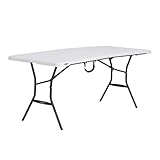
You can for practice, but most plastic folding tables are 28 to 30 inches high and only rated to 100 lbs with noticeable flex. They also lack cable management and are too low for comfortable standing sets. A dedicated DJ stand at 36 inches or higher is more ergonomic.
How much space do I need around a DJ booth?
Allow at least 36 inches of depth behind the booth for your body and movement, 24 inches of clearance in front for guests, and 12 inches on each side for ventilation and cables. In a 10×12 ft room, a 40-inch wide booth on the short wall leaves a usable 6×10 ft area for speakers and storage.
Do I need a facade or scrim?
A scrim is not required for home practice but is valuable for mobile gigs. It hides cables, bags, and power strips and gives a cleaner look for photos. For home, an open frame makes it easier to reach your computer and audio interface.