Key takeaways
- Fiber and denier: Solution-dyed polypropylene and 600D polyester oxford both resist rot, but denier tells you thread thickness. A 600D weave shrugs off chair legs and pet claws far better than lightweight 300D upholstery cloth.
- Water handling: Look for a PU coating or acrylic backing rather than a spray-on repellent, which wears off after a season. Fully waterproof canvas is right for covers; a fast-draining open weave is better underfoot so puddles don’t sit.
- UV rating: UPF50+ or “fade resistant” claims tied to a tested rating hold up. South-facing decks in high-sun climates will bleach untreated dyes within one summer.
- Cleaning method: Machine-washable rugs suit covered porches and entryways. Hose-and-scrub flatweaves handle mud and mulch better. Match the method to how dirty the space actually gets.
- Backing and grip: Non-slip backing prevents the curl that trips people. If you’re binding your own rug from yardage, plan a separate rubber pad or serge on a heavier backing layer.
What's inside
Anyone who has hauled a soggy, mildew-streaked rug off a patio in April knows the frustration. Outdoor textiles live a brutal life: UV bleaching, sideways rain, dropped burgers, patio chairs grinding across them all summer. The material choice matters more than the pattern, and yet most listings bury the fiber content three scrolls down. If you sew your own cushions or rug bindings, the stakes are higher still, because a bad yardage buy means wasted thread and a weekend gone.
This guide splits the field two ways: finished indoor/outdoor rugs you can roll out today, and waterproof canvas by the yard for makers who want to bind their own runner, patch a worn edge, or match a rug to existing cushion fabric. I’ve flagged what the deniers, coatings, and weave counts actually mean in practice, plus the specs worth checking before you cut.
As an Amazon Associate we earn from qualifying purchases.



🛒 Best Price Today on Amazon
Prime members get fast, free shipping on everything above, plus member-only deals. New members get a 30-day free trial — cancel anytime.
How to Choose a/an Fabric For Outdoor Rug (2026)
- Fiber and denier: Solution-dyed polypropylene and 600D polyester oxford both resist rot, but denier tells you thread thickness. A 600D weave shrugs off chair legs and pet claws far better than lightweight 300D upholstery cloth.
- Water handling: Look for a PU coating or acrylic backing rather than a spray-on repellent, which wears off after a season. Fully waterproof canvas is right for covers; a fast-draining open weave is better underfoot so puddles don’t sit.
- UV rating: UPF50+ or “fade resistant” claims tied to a tested rating hold up. South-facing decks in high-sun climates will bleach untreated dyes within one summer.
- Cleaning method: Machine-washable rugs suit covered porches and entryways. Hose-and-scrub flatweaves handle mud and mulch better. Match the method to how dirty the space actually gets.
- Backing and grip: Non-slip backing prevents the curl that trips people. If you’re binding your own rug from yardage, plan a separate rubber pad or serge on a heavier backing layer.
The Best Fabric For Outdoor Rug (2026)s Reviewed
Nourison Home Aloha 7′ x 10′ Indoor/Outdoor Rug
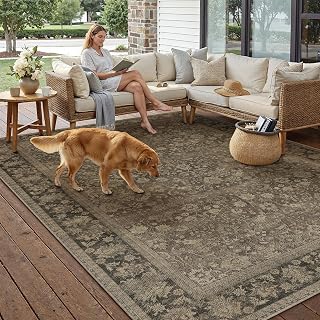
A large-format flatweave in green multi-color that handles sun and sprinklers without going chalky, which makes it a safe default for uncovered patios. The 7′ x 10′ footprint anchors a full seating group, and the low pile means chair legs slide instead of catching.
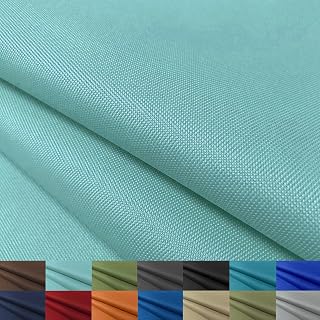
Waterproof Canvas Fabric by the Yard, Pale Turquoise
At 600D, 78T, and 220gsm with a UPF50+ rating, this is the most spec-transparent yardage here, and the 58″ width gives you real cutting room for cushion covers or a bound runner. It sews cleanly with a heavy-duty needle, though it’s stiff enough that you’ll want to press seams hard.
Outdoor Waterproof Upholstery Fabric, 1 YD Gray
Straightforward 600D polyester oxford canvas in a neutral gray that plays well with almost any existing rug or furniture set. This is my go-to for chair covers and undersides where durability matters more than appearance.
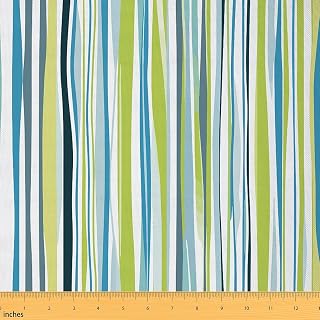
Feelyou Stripes Fabric by the Yard, Green Blue
The rippled geometric stripe reads farmhouse without feeling dated, and the waterproof finish means you can use it for both a bound rug edge and matching seat pads. Just note it’s a lighter hand than the 600D options, so reserve it for lower-traffic zones.
6×9 Brown Linen-Look Washable Area Rug
The linen texture brings warmth that most outdoor synthetics miss, and stain resistance plus a non-slip back make it genuinely practical for entryways and kitchens. Machine washing at 6×9 is a two-person job, but it comes out clean.
Frequently Asked Questions
Can I make my own outdoor rug from canvas yardage?
Yes. Cut your panel, then finish edges with bias tape or a serged rolled hem using UV-stable polyester thread. Add a rubber pad underneath since coated canvas is slick on concrete.
What does 600D actually mean?
Denier measures yarn weight. 600D indicates a thick, tightly spun thread that resists abrasion and puncture, which is why it appears in awnings and tent floors.
Is waterproof always better than water resistant?
Not for rugs. A fully waterproof surface traps water on top; water-resistant flatweaves let it pass through and dry faster, which prevents mildew.
How do I stop fading?
Choose UV-rated or solution-dyed material, rotate the rug quarterly, and roll it up during long unused stretches. Even rated fabrics fade slower when they get a break.
Final Thoughts
For a finished rug that survives real weather, the Nourison Aloha 7′ x 10′ is the strongest all-rounder, while the 6×9 brown linen-look rug wins on comfort and washability for covered spaces. Makers should stock the 600D Waterproof Canvas in pale turquoise for its documented UPF50+ rating and generous 58″ width, which cuts down on piecing.