Key takeaways
- Separate the surface from the core: A pillowtop is a cushion layer, not a softness rating. Look for a firm coil gauge or high-density base foam underneath, then treat the pillowtop as the pressure-relief allowance for shoulders and hips.
- Match height to your bedding and frame: A 15-inch pillowtop needs deep-pocket sheets and changes the step-up height of your bed. Measure from your floor to the top of your frame and add the mattress depth before committing.
- Check slat spacing before delivery day: Most foam and hybrid mattresses want slats no more than 3 inches apart. If you built your platform, adding a few extra boards costs almost nothing and prevents sagging that voids warranties.
- Look for zoned coils if you sleep on your side at all: Encased coils grouped by firmness let hips sink slightly while keeping the lumbar region propped. Uniform coil layouts feel flatter and push back harder at the shoulder.
- Read the trial terms, not just the length: A 365-night trial is only useful if returns are free and don’t require the original box. Note whether the brand asks for a 30-day break-in period before you can start a return.
What's inside
Firm and plush sound like opposites, and that contradiction is exactly why shopping for a firm pillowtop feels like chasing your own tail. You want a support core that holds your hips level when you’re lying on your back, but you also don’t want your shoulder to feel like it’s pressing into a plank. The problem is that “firm” on a spec sheet tells you almost nothing about the top two inches of the bed, which is the part your body actually touches first. I’ve pulled apart enough mattresses on the workbench to know the answer lives in how the comfort layer and the coil unit are matched, not in a single marketing adjective.
This guide looks at firm mattresses that still give you a cushioned surface, ranging from a true stitched pillowtop innerspring to hybrids and foam builds that layer softer material over a genuinely stiff base. I’ll walk through what to check before you buy, then break down the models worth your attention, including where each one makes sense and where it doesn’t. If you’re pairing a new bed with a platform frame or a slat setup you built yourself, I’ve flagged that too, because support underneath changes how firm a mattress feels more than most people expect.
As an Amazon Associate we earn from qualifying purchases.


How to Choose a Firm Mattress With Pillowtop (2026)
- Separate the surface from the core: A pillowtop is a cushion layer, not a softness rating. Look for a firm coil gauge or high-density base foam underneath, then treat the pillowtop as the pressure-relief allowance for shoulders and hips.
- Match height to your bedding and frame: A 15-inch pillowtop needs deep-pocket sheets and changes the step-up height of your bed. Measure from your floor to the top of your frame and add the mattress depth before committing.
- Check slat spacing before delivery day: Most foam and hybrid mattresses want slats no more than 3 inches apart. If you built your platform, adding a few extra boards costs almost nothing and prevents sagging that voids warranties.
- Look for zoned coils if you sleep on your side at all: Encased coils grouped by firmness let hips sink slightly while keeping the lumbar region propped. Uniform coil layouts feel flatter and push back harder at the shoulder.
- Read the trial terms, not just the length: A 365-night trial is only useful if returns are free and don’t require the original box. Note whether the brand asks for a 30-day break-in period before you can start a return.
The Best Firm Mattress With Pillowtop (2026)s Reviewed
Sealy Posturepedic Plus Glenshaw 15″ Firm Pillowtop
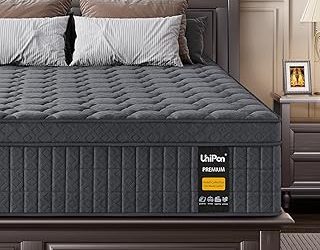
This is the closest thing here to a traditional stitched pillowtop over an innerspring core, and the 15-inch profile gives Sealy room to run a proper reinforced center third. If you’ve slept on hotel beds you liked and want that same substantial, doesn’t-move feeling at home, start here.
Firm Queen 14″ Zoned Hybrid
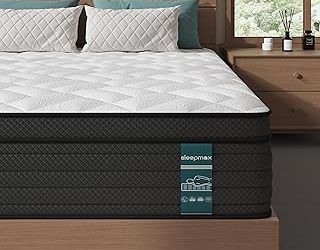
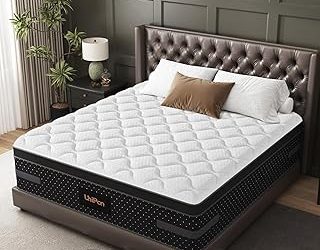
The zoned pocket spring layout is the standout, with distinctly different support under the shoulder, lumbar, and hip regions rather than one uniform coil field. Fiberglass-free construction and a 365-night trial make this a low-risk pick if you’re unsure how firm you actually want to go.
Sealy Dreamlife 14″ Hybrid
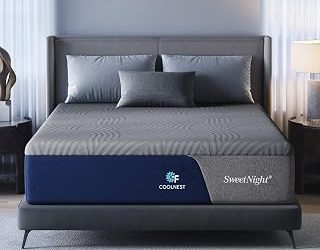
Encased coils under gel memory foam give you a firmer, more responsive feel than an all-foam bed at a similar price, and the coil unit handles heavier sleepers better over time. The twin size makes it a smart choice for a guest room or a bunk build where you still want real support.
Lucid 12″ Medium Firm Gel Memory Foam
Medium firm here means supportive with a genuine cushion on top, and the bamboo charcoal layer helps with odor control in rooms that don’t get much airflow. It’s the pick for anyone who wants firm support without coils, though hot sleepers should expect more retained warmth than a hybrid.
Kin by Tuft & Needle Firm 8″ Adaptive Foam
At 8 inches this is a lean, honestly firm mattress with a thin comfort layer rather than a plush top, which makes it the most affordable way to get proper spinal support. Best for kids’ rooms, daybeds, or a spare room where profile height matters more than luxury feel.
Frequently Asked Questions
Can a mattress be both firm and have a pillowtop?
Yes, and it’s a deliberate design. The support core stays stiff while a quilted layer on top absorbs the initial pressure at your shoulders and hips, so you get spinal alignment without a hard contact surface.
Will a pillowtop soften over time?
The comfort layer will compress somewhat in the first few months as fibers and foam settle, which is normal. Rotating the mattress head to foot every three to six months spreads that wear evenly, though most modern pillowtops shouldn’t be flipped.
Do I need a box spring?
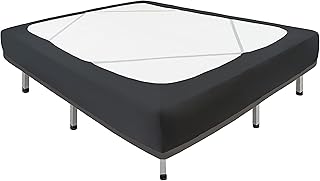
Not for most of these. Foam and hybrid mattresses in a box are built for solid platforms or closely spaced slats, and a traditional box spring can actually make them feel softer and less supported than intended.
How firm is too firm for side sleeping?
If your shoulder can’t sink enough to keep your spine straight, you’ll feel it as numbness or upper back tension within a week. Side sleepers generally do better with a zoned hybrid or a thicker pillowtop than with a low-profile firm foam bed.
Final Thoughts
For a true firm pillowtop experience, the Sealy Posturepedic Plus Glenshaw is the most complete build here, with the height and center support to back up the claim. If you want zoned coil support and a generous trial window, the Firm Queen 14″ hybrid is the smarter value, and the Lucid 12″ Gel Memory Foam covers you if you’d rather skip coils entirely without giving up a cushioned surface.