Key takeaways
- Read the certification, not the adjective: GOTS covers cotton and wool, GOLS covers latex, and GREENGUARD Gold covers emissions. A mattress with none of these but “organic” in the title is telling you about its cover, not its core.
- Firmness comes from the coil unit: Look for higher coil counts, thicker gauge steel in the center third, and zoned pocketed springs. Comfort layers cushion; the springs carry your weight and determine whether firm stays firm.
- Latex over polyfoam if you can swing it: Dunlop latex is denser and firmer than Talalay and holds its shape for years. If a bed uses foam, check for CertiPUR-US and treat it as a comfort layer, not a support layer.
- Confirm fire barriers are wool, not fiberglass: Organic wool passes flammability standards on its own. Any mattress that won’t tell you what’s in the fire sock is worth skipping.
- Match height to your foundation and your body: A 10-inch build feels firmer per inch than a 14-inch one. Taller hybrids need deep-pocket sheets and a slatted base with gaps under three inches to avoid sag.
What's inside
Anyone who has ever pulled apart an old mattress knows what’s hiding in there: layers of glued polyfoam, a fiberglass sock stitched into the cover, and a coil unit held together with adhesive that smells faintly of a hardware store. That teardown is exactly what pushes people toward organic beds, and it’s also where the frustration starts. “Organic” gets stamped on covers that sit atop conventional foam, and “firm” gets used for mattresses that sink three inches under your hips within a year. The two claims rarely show up together in a way you can verify.
This guide takes a builder’s approach to the problem. We looked at what’s actually stacked inside each mattress, how the support core is constructed, and whether the firmness comes from real materials or from marketing. Below you’ll find picks spanning genuine GOTS-certified organic builds and well-made hybrids that prioritize a fiberglass-free, low-emission construction, plus a straightforward framework for choosing between them.
As an Amazon Associate we earn from qualifying purchases.


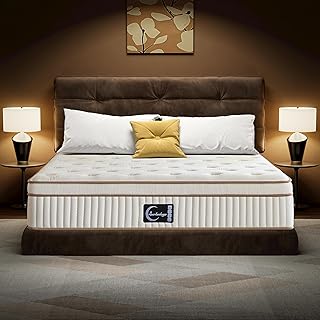

How to Choose a Firm Organic Mattress (2026)
- Read the certification, not the adjective: GOTS covers cotton and wool, GOLS covers latex, and GREENGUARD Gold covers emissions. A mattress with none of these but “organic” in the title is telling you about its cover, not its core.
- Firmness comes from the coil unit: Look for higher coil counts, thicker gauge steel in the center third, and zoned pocketed springs. Comfort layers cushion; the springs carry your weight and determine whether firm stays firm.
- Latex over polyfoam if you can swing it: Dunlop latex is denser and firmer than Talalay and holds its shape for years. If a bed uses foam, check for CertiPUR-US and treat it as a comfort layer, not a support layer.
- Confirm fire barriers are wool, not fiberglass: Organic wool passes flammability standards on its own. Any mattress that won’t tell you what’s in the fire sock is worth skipping.
- Match height to your foundation and your body: A 10-inch build feels firmer per inch than a 14-inch one. Taller hybrids need deep-pocket sheets and a slatted base with gaps under three inches to avoid sag.
The Best Firm Organic Mattress (2026)s Reviewed
Ethical Mattress CO 10-Inch Organic Hybrid (King)
This is the closest thing here to a mattress you’d build yourself: organic cotton, wool, latex, and pocketed coils, with nothing extraneous stuffed between them. At 10 inches it reads firmer than its medium-firm label suggests, which makes it a strong pick for back and stomach sleepers who want real support without a foam-heavy feel.
Naturepedic Serenade Organic Luxury (Full, Firm)
Naturepedic builds to a certification standard rather than a price point, and the Serenade shows it — GOTS organic cotton and wool over an encased coil system, with no polyurethane foam anywhere in the stack. The firm version has a distinctly supportive, low-sink feel that suits anyone with lower back complaints.
Naturepedic Verse Organic Kids Mattress (Twin XL, Firm)
Kids’ mattresses are where off-gassing matters most, and the Verse handles it with organic materials and quilted sides that hold up to years of jumping. The encased coil layers give it genuine firmness rather than the thin foam slab that passes for a kids’ bed at most price points.
Organic Mattress Queen 14-Inch Gel Foam Hybrid
A practical middle path: organic cover materials over a gel foam and coil hybrid tuned medium-to-firm, with reinforced edge support that keeps the perimeter usable. Worth a look if you sleep hot and want more cushioning than a latex-and-coil build delivers.
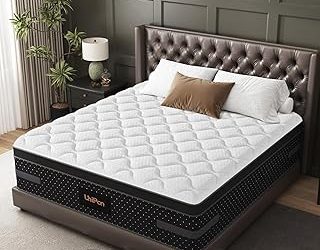
BedStory Firm 13-Inch Hybrid (Queen)
The zoned lumbar section here is the real feature — firmer coils through the middle third that resist the hip drop most hybrids develop. Paired with a fiberglass-free build, a 365-night trial, and a 10-year warranty, it’s the value pick for back pain relief on a budget.
Frequently Asked Questions
Does a firm organic mattress need a break-in period?
Yes, usually two to four weeks. Latex and wool compress slightly under body weight before settling, so the bed you unbox will feel firmer than the one you’re sleeping on a month later.
Can I put one of these on my existing bed frame?
Check your slat spacing first. Anything wider than three inches will let coils push through over time. Adding a sheet of plywood or extra slats is a ten-minute fix that protects your warranty.
Is latex or coil better for firmness that lasts?
Pocketed coils give you sharper support and better airflow, while Dunlop latex resists permanent impressions better than any foam. The hybrids on this list combine both, which is generally the most durable configuration available.
Why do organic mattresses cost more?
Certified organic cotton, wool, and latex cost several times what conventional polyfoam does, and the certification audits themselves add expense. You’re paying for verified inputs, not a thicker profile.
Final Thoughts
If you want a fully organic build with nothing to compromise on, the Naturepedic Serenade is the reference point, with the Ethical Mattress CO 10-inch hybrid close behind at a friendlier price and a genuinely firm feel. For shoppers who care more about back support and value than full certification, the BedStory 13-inch hybrid delivers the zoned firmness that matters most.