Key takeaways
- Support core over comfort layer: Look for pocketed coils in the 13-15 gauge range or high-density foam rated at 1.8 lb/ft³ or better. A thick pillow top on a weak core will compress into a body-shaped trench regardless of the firmness label.
- Zoned reinforcement: Multi-zone construction puts firmer coils or denser foam under the lumbar and hip region where load concentrates. This is the single most useful feature for back pain, and it costs almost nothing extra in 2026.
- Foundation compatibility: Slat gaps wider than about 3 inches will let foam bulge through and void most warranties. If you built your frame, measure the spacing before ordering and add a plywood or hardboard deck if needed.
- Fire barrier material: Fiberglass-free construction is now common and worth insisting on. Woven glass fiber barriers shed if the cover is ever removed or torn, and cleanup is genuinely miserable.
- Trial length and certification: A 100-night minimum gives your body time to adapt; 365 nights is better. CertiPUR-US certification confirms the foam was tested for VOC emissions and restricted chemicals.
What's inside
Anyone who has built their own platform bed knows the frustration: you cut the slats to spec, sand every edge, finish it properly, and then drop a mattress on top that sags like a hammock within eight months. Firmness is where most bedroom projects fall apart, because “firm” on a product page can mean anything from a genuinely supportive coil system to a medium foam slab with an aggressive marketing team. If you sleep on your back or stomach, weigh over 200 pounds, or share a bed with someone who does, that difference shows up in your lower back by week three.
This guide takes a builder’s approach to the problem. We looked at what’s actually inside these mattresses, how the support layers are constructed, and how each one behaves on the kind of rigid slat platforms most DIY frames use, since a firm mattress on a flexing foundation defeats the whole purpose. Below are six queen options worth your attention in 2026, followed by a spec-by-spec buying framework and answers to the questions that come up most once the box is on your bedroom floor.
As an Amazon Associate we earn from qualifying purchases.


🛒 Best Price Today on Amazon
Prime members get fast, free shipping on everything above, plus member-only deals. New members get a 30-day free trial — cancel anytime.
How to Choose a Firm Queen Size Mattress (2026)
- Support core over comfort layer: Look for pocketed coils in the 13-15 gauge range or high-density foam rated at 1.8 lb/ft³ or better. A thick pillow top on a weak core will compress into a body-shaped trench regardless of the firmness label.
- Zoned reinforcement: Multi-zone construction puts firmer coils or denser foam under the lumbar and hip region where load concentrates. This is the single most useful feature for back pain, and it costs almost nothing extra in 2026.
- Foundation compatibility: Slat gaps wider than about 3 inches will let foam bulge through and void most warranties. If you built your frame, measure the spacing before ordering and add a plywood or hardboard deck if needed.
- Fire barrier material: Fiberglass-free construction is now common and worth insisting on. Woven glass fiber barriers shed if the cover is ever removed or torn, and cleanup is genuinely miserable.
- Trial length and certification: A 100-night minimum gives your body time to adapt; 365 nights is better. CertiPUR-US certification confirms the foam was tested for VOC emissions and restricted chemicals.
The Best Firm Queen Size Mattresses (2026) Reviewed
BedStory Firm 13 Inch Hybrid
The extra inch of height here goes into the coil unit rather than the comfort layer, which is exactly the right tradeoff for firm sleepers who want support without a mushy top. Zoned lumbar reinforcement holds the hips level on a rigid slat base, and the 365-night trial gives you a full season to judge it.
FATHOM Firm 12 Inch Memory Foam
An all-foam pick that stays firm through the gel-infused top layer instead of softening after a few weeks, which is unusual in this price bracket. The removable, fiberglass-free cover is a practical win if you have kids, pets, or a workshop’s worth of dust in the house.
Beautyrest Silver BRS900 12″ Extra Firm
This is the conservative choice, and there’s nothing wrong with that. Beautyrest’s pocketed coil unit has a long track record for edge support and motion isolation, and the extra-firm build is genuinely firm rather than a relabeled medium.
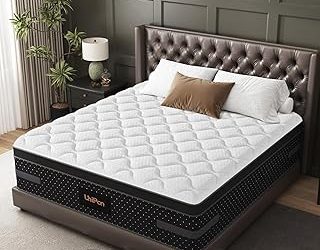
Extra Firm 12 Inch Luxury Hybrid
A straightforward hybrid that leans hard into support, with lumbar zoning and zero fiberglass in the fire barrier. The 365-night trial and CertiPUR-US certification cover the two things most budget hybrids skip.
Firm 14 Inch Hotel Cooling Hybrid
The tallest option in this roundup, with individually pocketed springs zoned for shoulders, lumbar, and hips. Best suited to taller frames or anyone who wants a hotel-style profile, though note that 14 inches plus a tall DIY platform can put the sleep surface awkwardly high.
Frequently Asked Questions
Will a firm mattress work on a DIY slat frame?
Yes, as long as slat gaps stay under roughly 3 inches and the slats are at least 3/4 inch thick hardwood or void-free plywood. Wider gaps cause uneven support and typically void warranty coverage.
How long does a new firm mattress need to break in?
Expect two to four weeks. Foam and coil systems both relax slightly under repeated load, and your body needs time to adjust to a different spinal alignment. Judge it at week four, not night three.
Is hybrid or all-foam better for firmness?
Hybrids generally hold firmness longer and breathe better, thanks to airflow through the coil layer. High-density all-foam beds can match them for support but tend to sleep warmer and soften sooner.
Do I need a box spring?
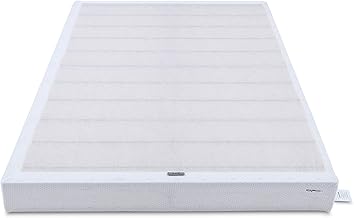
No. Every mattress here is designed for a solid or closely slatted platform. A traditional box spring adds unnecessary flex and height, which works against a firm build.
Final Thoughts
For most people building or upgrading a bedroom setup, the BedStory 13 Inch Hybrid offers the best balance of coil support, lumbar zoning, and trial length. The Beautyrest Silver BRS900 is the safer, more established pick if you value proven edge support and a familiar warranty, while the FATHOM 12 Inch is the one to choose if you specifically want all-foam construction with a washable, fiberglass-free cover.