Key takeaways
- Measure the platform, not the old mattress: Factory RV mattresses are frequently trimmed odd, so tape the actual plywood deck. Short queen (60×75) and RV twin (38×75) are common, and a 73″x52″ full-size folder often fits a dinette conversion better than a true full.
- Foam thickness versus headroom: Six inches sleeps noticeably better than four, but check clearance under overhead cabinets and bunk ceilings. In a top bunk, 4 inches often wins on practicality.
- Fold pattern matters: Trifolds stack into a compact cube and double as seating; roll-ups slide into a gear bag and fit awkward storage bays. Pick based on where the mattress lives when it’s not a bed.
- Cover you can actually clean: A removable, machine-washable cover with a full-length zipper is non-negotiable in a camper. Bonus points for a non-slip bottom if you’re placing it on a slick fiberglass or laminate floor.
- Cooling and airflow: RVs get stuffy fast. Gel-infused foam, open-cell layers, or a hybrid coil build move heat better than plain high-density foam sitting on a sealed platform.
What's inside
Anyone who has pulled the factory slab out of a camper bunk knows the drill: it’s about two inches of foam wrapped in vinyl, sized to some dimension that exists nowhere else in the mattress world. RV bunks run short, narrow, and often sit over a wheel well or a storage hatch you still need to access. A folding mattress solves the access problem and the storage problem at once, but the tradeoff is that hinge line down the middle. Get the wrong foam density and you’ll feel that seam in your lower back by the third night.
I’ve cut, fitted, and swapped a fair number of these in trailers and van builds. What follows is a practical breakdown of what actually matters — foam thickness versus bunk clearance, cover washability when you’re camping without a laundromat, and whether a trifold or a roll-up suits your rig. Below are six options worth a look, plus the specs I’d check before ordering.
As an Amazon Associate we earn from qualifying purchases.




How to Choose a Folding Rv Mattress (2026)
- Measure the platform, not the old mattress: Factory RV mattresses are frequently trimmed odd, so tape the actual plywood deck. Short queen (60×75) and RV twin (38×75) are common, and a 73″x52″ full-size folder often fits a dinette conversion better than a true full.
- Foam thickness versus headroom: Six inches sleeps noticeably better than four, but check clearance under overhead cabinets and bunk ceilings. In a top bunk, 4 inches often wins on practicality.
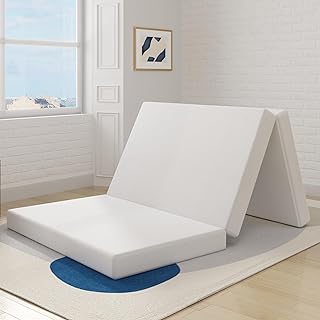
- Fold pattern matters: Trifolds stack into a compact cube and double as seating; roll-ups slide into a gear bag and fit awkward storage bays. Pick based on where the mattress lives when it’s not a bed.
- Cover you can actually clean: A removable, machine-washable cover with a full-length zipper is non-negotiable in a camper. Bonus points for a non-slip bottom if you’re placing it on a slick fiberglass or laminate floor.
- Cooling and airflow: RVs get stuffy fast. Gel-infused foam, open-cell layers, or a hybrid coil build move heat better than plain high-density foam sitting on a sealed platform.
The Best Folding Rv Mattress (2026)s Reviewed
WanderRest 12″ Cool Hybrid RV Mattress (Twin 38×75)
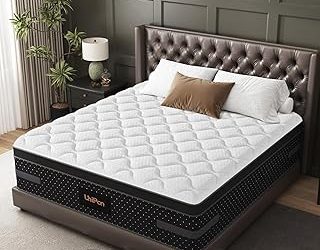
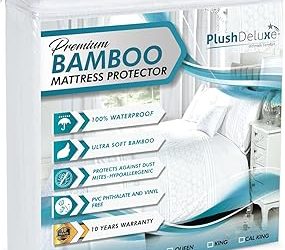
This is the upgrade pick when your bunk is a permanent sleeping space rather than a fold-away — pocketed coils plus gel memory foam give it real mattress support instead of a foam pad feel. It doesn’t fold, so budget the full 12 inches of vertical clearance and treat it as a straight replacement for a fixed RV twin platform.
ROXGOX Memory Foam Trifold, Full 6 Inch
The best-rounded folder here: 6 inches of memory foam at 73″x52″, with a washable cover, carry handle, and a grippy bottom that keeps it from creeping on a smooth floor. The handle sounds like a minor detail until you’re wrestling it out of a storage bay in the dark.
MASVIS Trifold Mattress, 6 Inch Twin
A solid twin-width option for a single bunk or a narrow van platform, with enough memory foam depth to disguise the fold seams once it’s broken in. Give it 48 hours to fully expand before judging the firmness — trifolds ship heavily compressed and feel dense out of the box.
Avenco Folding Mattress Topper, 4 Inch Trifold Full
The right call when headroom is tight or you’re layering over an existing thin factory mattress rather than replacing it. At 4 inches it packs down smaller than the 6-inch models, which makes it the easier choice for a camper van that doubles as daily transport.
6 Inch Full Folding Mattress with Collapsible Washable Cover
A straightforward medium-firm foam folder at 73″x52″x6″ that leans firmer than most memory foam options, which suits side-of-the-road sleeping better than plush foam does. The collapsible cover is genuinely useful — it stows flat instead of holding a mattress-shaped bulge in your closet.
Frequently Asked Questions
Will I feel the folds when I sleep?
With 6 inches of memory foam, rarely — the top layer bridges the seams once the foam has decompressed and warmed up. At 4 inches you may notice it, which is why thinner trifolds work best as a topper over a firm base rather than a standalone bed.
Can I trim a folding mattress to fit an odd bunk?
You can trim foam with a long serrated blade or an electric carving knife, but you’ll lose the fitted cover and the fold alignment. Better to buy the closest size under your dimensions and fill the gap with a foam strip or a pool noodle along the wall.
How do I stop mold under the mattress?
Condensation collects between foam and a cold platform. Drill a few vent holes in the plywood, add a slatted or mesh underlayment, and stand the mattress on edge for a few hours whenever you’re parked. Trifolds have the advantage here — they air out just by being folded.
Do these work as guest beds at home too?
That’s half the appeal. A full-size trifold folds into a floor cushion or extra seating between trips, so the mattress earns its storage space year-round instead of just camping season.
Final Thoughts
For most rigs, the ROXGOX 6-inch trifold hits the sweet spot on comfort, storage, and the practical details like the handle and non-slip base. If your bunk is a permanent fixture and you have the headroom, the WanderRest 12″ Cool Hybrid is the closest thing to a real bed you’ll get in a camper. And when clearance is the constraint, the Avenco 4-inch trifold layers over a thin factory mattress without eating your headroom.