
Our Top Picks
 YOLEO Adjustable Weight Bench for Home Gym827 Pounds23.15 Pounds41"D x 12.6"W x 42.5"HCheck on Amazon
Pros & cons
- Ships 98% pre-assembled with just two pins to insert
- ASTM-certified to 827 pounds of total capacity
- Folds down to 31.5 x 12.6 x 13 inches for storage
- Rated max user weight of 330 pounds caps who can train
- 84 position options can take time to learn
 NICEPEOPLE Adjustable Weight Bench for Home Gym660 Pounds17 Pounds46"D x 16.7"W x 17.2"HCheck on Amazon
Pros & cons
- 29.3-inch backrest is sized to fit most users
- Folds flat in one step by pulling two pins
- Non-slip leather padding resists sweat buildup
- 660-pound capacity is modest next to 800lb-plus rivals
- Compact apartment design offers less width than standard benches


A functional home gym fits inside a footprint most people already own: a single-car garage bay measuring roughly 10 by 18 feet, a spare bedroom of 11 by 12, or in tighter cases a 7-by-8-foot corner of a basement. What decides whether that space works is not the equipment list but the geometry. Overhead pressing needs about 8 feet of clearance for most lifters; a barbell needs 7 feet of lateral clearance plus a foot of walk-around on each end; a rower needs a 9-foot runway. Sketch those clearances on graph paper before you buy anything, because a rack in the wrong corner turns a usable room into an obstacle course.
Flooring is the second decision, and it is the one people regret skipping. Bare concrete cracks plates and destroys knees; carpet swallows dumbbell handles and hides moisture. The reliable stack is 3/4-inch rubber horse stall mats over the concrete in the lifting zone, thinner 8mm interlocking tiles under cardio, and a bare patch left for a rolling stool or a fan. On a suspended wood floor, add a sheet of 3/4-inch plywood under the mats to spread load across joists rather than concentrating it between them. With layout and flooring settled, six pieces cover strength, conditioning and mobility for years.
As an Amazon Associate we earn from qualifying purchases.

#1 Pick
As an Amazon Associate we earn from qualifying purchases.




Quick Comparison
| Piece | Working Footprint | Primary Job | Typical Budget | Flooring Needed |
|---|---|---|---|---|
| Adjustable Dumbbells | 2 x 2 ft plus cradle | Unilateral strength, accessories | $300–$700 | 8mm tile minimum |
| Adjustable Bench (FID) | 2 x 5 ft in use | Press angles, rows, support work | $180–$450 | Firm, level surface |
| Half or Folding Rack | 4 x 4 ft folded to 6 in. | Squats, pressing, pull-ups | $400–$900 | 3/4-in. rubber mat |
| Barbell + Plate Set | 7 ft wide, 3 ft deep | Heavy compound loading | $450–$1,000 | 3/4-in. rubber mat |
| Cable or Band Trainer | 3 x 6 ft arc | Pulls, rotation, joint-friendly volume | $60–$800 | Any |
| Rower or Magnetic Bike | 9 x 3 ft / 4 x 2 ft | Conditioning, warm-ups | $350–$1,200 | 8mm tile |
How to Choose
- Measure clearance, not floor area. Stand on your finished flooring, press a broomstick overhead, and add four inches. If you land under 7 feet 6 inches, plan around landmine presses and incline work instead of standing barbell presses.
- Match the flooring to the drop zone. Rubber belongs only where loaded metal can land. Buying 3/4-inch mats for an entire room costs three times what a targeted 6-by-8-foot lifting platform does and makes cardio equipment rock.
- Check the load path. Racks bolted to a slab are trivial; racks on a second floor need a stringer that spans at least two joists, and a 300-pound plate rack should sit against a load-bearing wall.
- Buy increments you will actually use. Dumbbells that jump 10 pounds per click stall your progress on lateral raises. Look for 5-pound steps below 30 pounds, and prioritize plate sets with pairs of 2.5s and 5s over another pair of 45s.
- Demand a folded state. Anything that cannot collapse, stack or roll will eventually block a doorway. Folding racks, benches that pin vertically, and rowers that stand on end return the room to its other uses in under a minute.
Top Picks Reviewed
1. Adjustable Dumbbell Pair (5–50 lb per hand)
One pair of dial or pin-selected dumbbells replaces roughly fifteen fixed pairs and about 40 square feet of rack. The tradeoff is durability: selectorized handles are longer than fixed ones and dislike being dropped, so keep them on a cradle at hand height and lower them under control. If you press more than 50 pounds per hand, look for a model with an expansion kit rather than buying a second set later.
2. Adjustable FID Bench
Flat, incline and decline positions turn a rack and a barbell into a complete upper-body gym. Judge a bench by pad gap and ladder detents: you want less than two inches between seat and back at 30 degrees, and enough incline stops that you are not forced to choose between 15 and 45. A 1,000-pound rated frame with a 12-inch pad width is the sweet spot for most home lifters.
3. Folding Wall-Mounted Rack
A folding rack gives you real squat safety in a garage that still parks a car. Mounted to studs or masonry, it swings flat to roughly six inches deep and returns 16 square feet to the room. Look for 3×3-inch uprights, holes on 1-inch spacing through the bench and squat range, and a pull-up bar rated for kipping if you plan to hang anything.
4. Barbell and Bumper Plate Set
A 20kg bar with 190,000 PSI tensile strength and dual knurl marks handles anything a home gym will ask of it. Choose bumper plates if you deadlift without a spotter or lift on a slab; choose cast iron if space is tight, since 45-pound bumpers are nearly three inches thick each and eat sleeve length fast. Start with 160 pounds of plates and add pairs as needed.
5. Compact Cable Trainer or Band Pulley System
Cables cover what free weights do poorly: face pulls, lat work, rotational pressing, and high-volume arm training that does not tax your joints. A wall-mounted single-stack tower runs several hundred dollars and needs 3 feet of arc; a rack-mounted pulley with resistance bands does 80 percent of the job for under a hundred and stores in a drawer.
6. Air Rower or Magnetic Upright Bike
Pick based on noise tolerance and ceiling of intensity. Air rowers deliver full-body conditioning and fold to vertical storage, but they are loud enough to wake a household through a floor. Magnetic bikes are near-silent, occupy a 4-by-2-foot pad, and suit early mornings or apartments. Either one earns its space by making warm-ups automatic.
Frequently Asked Questions
What ceiling height do I need?
Eight feet handles standing overhead presses for lifters up to about 6 feet tall, plus a pull-up bar at 7 feet 4 inches. Under 7 feet 6 inches, substitute landmine and incline pressing and use a doorway-mounted or rack-mounted bar you can hang from with bent knees.
Do I need mats over an existing wood floor?
Yes, and a plywood layer underneath. Rubber alone protects the finish but transfers point loads straight into a single joist bay. A 4-by-8 sheet of 3/4-inch plywood topped with stall mats distributes weight and cuts impact noise on the floor below noticeably.
How much total space does this equipment need?
All six pieces fit comfortably in about 120 square feet with a 7-foot ceiling clearance, and workably in 80 if the rack folds and the rower stands vertically. The binding constraint is usually the barbell’s 7-foot span, not total area.
Should I skip the barbell if I have dumbbells?
If your goal is general fitness and body composition, dumbbells plus a bench and cables will take you a long way. Add the barbell when dumbbell squats and deadlifts stop being limited by your legs and start being limited by your grip and by how much weight you can get into position.
Final Thoughts
The best home gym is the one you can walk into and start using in under sixty seconds. That comes from layout discipline and honest flooring choices far more than from equipment count. Establish the lifting zone, protect the floor underneath it, then add the six pieces in the order your training actually demands them, buying quality on the items that carry load and staying frugal on the rest. Build it that way and the room stays useful, quiet enough to keep the household happy, and capable of supporting progress for years without another purchase.
Best Shoes for Jump Rope: 5 Picks for Concrete and Timber
Best shoes for jump rope depends first on what is under your...
Best Shoe for Jump Rope: Forefoot Cushioning and Drop Guide
Best shoe for jump rope selection is a forefoot problem, not a...
Best Full Body Workout Equipment: 6 Machines vs Free Weights
Best full body workout equipment splits into two genuinely different answers: one...
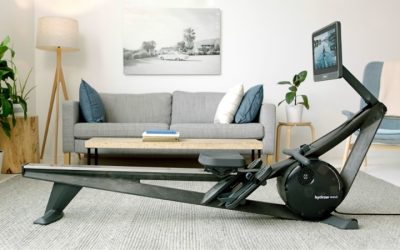
Best Gym Equipment for Full Body Workout: 5 Key Choices
Best gym equipment for full body workout setups should be judged by...
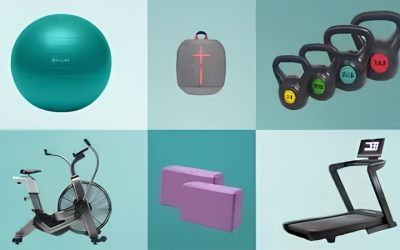
Best Workout Gym Equipment: 6 Heavy-Duty Picks for Home Use
Best workout gym equipment for a garage or basement is a structural...
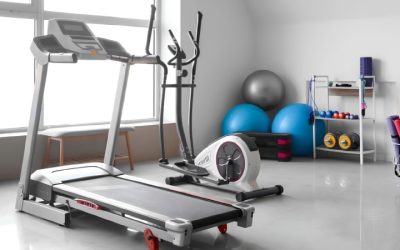
Best Workout Exercise Equipment: 6 Picks for Small Homes
Best workout exercise equipment lists usually start with the item and end...
Best Boxer Jump Rope: 6 Picks for Footwork and Conditioning
Best boxer jump rope shopping gets confusing because boxer rope is both...
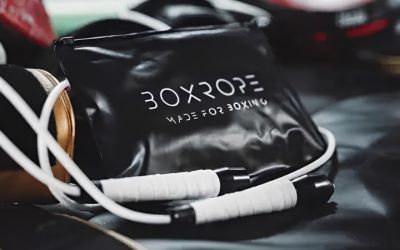
Best Boxing Jump Rope: 6 Picks for 3-Minute Round Drills
Best boxing jump rope selection is a weight decision before it is...
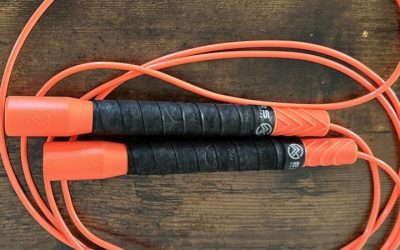
Best Beginner Jump Rope: 6 Easy-Timing Picks for Home Use
Best beginner jump rope choices come down to cord speed, not brand...
Best Workout Equipment for Glutes: 5 Picks That Load Hips
Best workout equipment for glutes lists are dominated by hip bands, which...
Write Your Review
No reviews yet. Be the first to share your experience!