Key takeaways
- Warm mist vs. cool mist: Warm steam units boil water, which loosens congestion faster and eliminates mineral dust entirely. Cool mist ultrasonic models run cheaper, quieter, and safer around kids, but they atomize whatever is in your tap water. If sinus pressure is your primary complaint, warm steam has the edge; if you’re running it in a nursery, go cool.
- Runtime against your actual sleep window: A unit that dies at 3 a.m. leaves you breathing dry air during the deepest part of your sleep cycle. Look for 24 hours minimum at your chosen output level, not the manufacturer’s lowest-setting figure.
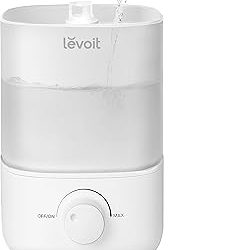
- Top-fill design: Bottom-fill tanks mean hauling a sloshing reservoir to the sink and flipping it over a valve every day. Top-fill lets you pour from a pitcher in place. This single feature determines whether you actually use the thing in February.
- Cleanable internal geometry: Stick your hand in the tank opening before you commit. Narrow necks and sharp internal corners grow biofilm you can’t reach, and aerosolized bacteria will make your sinuses considerably worse than dry air ever did.
- Real-world noise floor: Anything under 30 dB disappears into room ambience. Above 40 dB you’ll hear the fan cycle. Check whether the quoted figure applies at maximum output or only at the lowest setting.
What's inside
Waking up with a sinus headache and a throat that feels like sandpaper is usually a humidity problem, not a cold. Once indoor air drops below about 30% relative humidity, the mucus lining your nasal passages thickens and stops draining properly, which is exactly when pressure builds behind your cheekbones. Anyone who has ever sanded drywall in a sealed room knows what dry, particle-heavy air does to your head, and forced-air heating recreates that condition every night from November through March.
I’ve torn down and refilled enough of these units to know that the spec sheet only tells you half the story. What actually matters for sinus relief is tank geometry, how fast the mist output climbs, whether you can reach every interior surface with a bottle brush, and how honest the decibel rating is at high speed. Below are six units worth your money, followed by the selection criteria I use and answers to the questions that come up most often.
As an Amazon Associate we earn from qualifying purchases.




How to Choose a/an Humidifier For Sinus Issues (2026)
- Warm mist vs. cool mist: Warm steam units boil water, which loosens congestion faster and eliminates mineral dust entirely. Cool mist ultrasonic models run cheaper, quieter, and safer around kids, but they atomize whatever is in your tap water. If sinus pressure is your primary complaint, warm steam has the edge; if you’re running it in a nursery, go cool.
- Runtime against your actual sleep window: A unit that dies at 3 a.m. leaves you breathing dry air during the deepest part of your sleep cycle. Look for 24 hours minimum at your chosen output level, not the manufacturer’s lowest-setting figure.
- Top-fill design: Bottom-fill tanks mean hauling a sloshing reservoir to the sink and flipping it over a valve every day. Top-fill lets you pour from a pitcher in place. This single feature determines whether you actually use the thing in February.
- Cleanable internal geometry: Stick your hand in the tank opening before you commit. Narrow necks and sharp internal corners grow biofilm you can’t reach, and aerosolized bacteria will make your sinuses considerably worse than dry air ever did.
- Real-world noise floor: Anything under 30 dB disappears into room ambience. Above 40 dB you’ll hear the fan cycle. Check whether the quoted figure applies at maximum output or only at the lowest setting.
The Best Humidifier For Sinus Issues (2026)s Reviewed
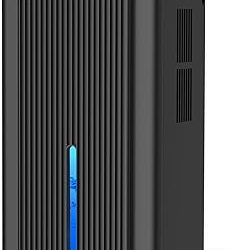
Everlasting Comfort 6L Cool Mist Humidifier
The 6L tank and 50-hour runtime make this the pick for anyone who resents daily refills, and the filterless design means zero consumable costs over its lifespan. The wide tank opening is genuinely brush-accessible, which is the detail that keeps a large-capacity unit from turning into a bacteria farm.
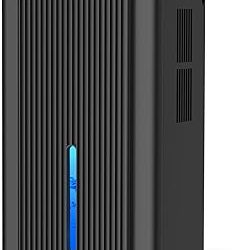
Homvana 3.6L Top-Fill Cool Mist Humidifier
At 23 dB this is the quietest unit here, and the top-fill port plus removable base makes the weekly vinegar soak a five-minute job. The integrated oil diffuser channel is separate from the main water path, so you can run eucalyptus for congestion without gumming up the ultrasonic plate.
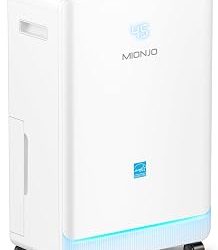
Vicks Warm Steam Vaporizer
This is the one I recommend when sinus pressure is the whole reason you’re shopping. Boiling water produces sterile steam with no white dust, and the VapoPad slot lets you add medicated vapor without dosing the tank itself. The 1.5-gallon capacity covers a full night in a medium bedroom.
DREO 4L Humidifier HM311
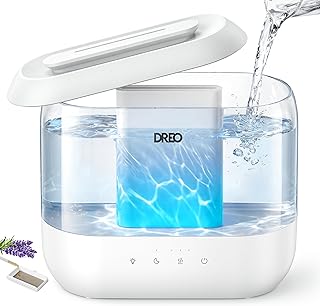
Thirty-six hours at 28 dB from a 4L tank is a solid efficiency ratio, and DREO’s build quality shows in the seals — no weeping around the base after months of use. The refill opening is wide enough to fill from a standard kitchen pitcher without a funnel.
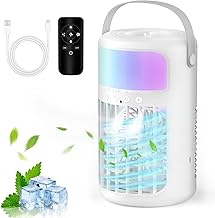
Clarston 2L Cool Mist Humidifier
The compact footprint suits a nightstand or a small office, and the 360° nozzle lets you aim mist away from wood surfaces and electronics. Twenty-five hours from just 2L means it’s metering output conservatively, which is what you want for overnight use.
Frequently Asked Questions
What humidity level actually relieves sinus pressure?
Target 40–50% relative humidity. Below 35% mucus thickens; above 55% you’re inviting dust mites and mold. A $12 hygrometer placed across the room from the unit is the only way to know where you actually sit.
Should I use distilled water?
In any ultrasonic cool mist unit, yes. Tap minerals get atomized into fine white dust that settles on furniture and gets inhaled. Warm steam vaporizers leave minerals behind in the tank, so tap water is acceptable there.
How often does it need cleaning?
Rinse and dry the tank daily, and descale with a 1:1 white vinegar solution weekly. Skipping this is how a humidifier goes from helping your sinuses to aggravating them.
Can I add essential oils directly to the tank?
Only in units with a dedicated diffuser tray. Oils degrade plastics and coat ultrasonic transducers, which kills output and voids most warranties.
Final Thoughts
For sinus congestion specifically, the Vicks Warm Steam Vaporizer delivers the most direct relief thanks to sterile steam and VapoPad compatibility. If you want set-it-and-forget-it capacity, the Everlasting Comfort 6L runs two full nights without a refill, while the Homvana 3.6L is the one to buy if noise and easy cleaning top your list.