Key takeaways
- Warm steam vs. cool mist: Warm vaporizers boil water, which loosens thick congestion quickly and cannot aerosolize bacteria — good for adults with stubborn sinus pressure. Cool mist is safer around kids and pets and uses far less electricity, making it the better all-night choice.
- Tank size and honest runtime: Advertised hours assume the lowest output setting. A 4L tank on medium realistically clears a single night; a 6L to 8L tank buys you two or three nights between refills, which matters more than you think at 6 a.m.
- Cleaning access: This is the spec that decides whether you keep using the thing. Look for a wide top-fill opening your hand fits inside, a removable nozzle, and no narrow tubing. Biofilm in an unreachable channel is worse for your sinuses than dry air.
- Noise floor: Anything at or under 30 dB disappears under a ceiling fan. Above 40 dB you will hear the pump cycling and the gurgle when the tank vents — a real problem for light sleepers.
- Filter-free operation: Wick filters trap minerals but breed mold and cost money forever. Filterless ultrasonic units are cheaper to run long-term, provided you use distilled or filtered water to avoid white mineral dust settling on your dresser.
What's inside
Waking up with a headache behind your cheekbones, one nostril welded shut, and a throat that feels like sandpaper is usually not an infection — it is a humidity problem. When indoor air drops below roughly 30% relative humidity, the mucus lining your sinuses thickens and the tiny cilia that sweep debris out of your nasal passages slow down. Winter heating strips moisture out of a room fast, and if you have ever taped a hygrometer to a bedroom wall the way I do before any furniture project, you have watched the number crater overnight. The fix is not another decongestant spray. It is putting water back into the air you breathe for eight hours straight.
I have run most of these units on a nightstand, hauled them apart for cleaning, and checked mist output against a cheap digital hygrometer placed across the room. This guide covers the two main approaches — warm steam and cool mist — plus targeted personal inhalers for acute flare-ups. Below you will find what actually matters when shopping, honest notes on tank size versus real runtime, and the maintenance reality nobody prints on the box.
As an Amazon Associate we earn from qualifying purchases.


How to Choose a/an Humidifier For Sinus Problems (2026)
- Warm steam vs. cool mist: Warm vaporizers boil water, which loosens thick congestion quickly and cannot aerosolize bacteria — good for adults with stubborn sinus pressure. Cool mist is safer around kids and pets and uses far less electricity, making it the better all-night choice.
- Tank size and honest runtime: Advertised hours assume the lowest output setting. A 4L tank on medium realistically clears a single night; a 6L to 8L tank buys you two or three nights between refills, which matters more than you think at 6 a.m.
- Cleaning access: This is the spec that decides whether you keep using the thing. Look for a wide top-fill opening your hand fits inside, a removable nozzle, and no narrow tubing. Biofilm in an unreachable channel is worse for your sinuses than dry air.
- Noise floor: Anything at or under 30 dB disappears under a ceiling fan. Above 40 dB you will hear the pump cycling and the gurgle when the tank vents — a real problem for light sleepers.
- Filter-free operation: Wick filters trap minerals but breed mold and cost money forever. Filterless ultrasonic units are cheaper to run long-term, provided you use distilled or filtered water to avoid white mineral dust settling on your dresser.
The Best Humidifier For Sinus Problems (2026)s Reviewed
Vicks Sinus Inhaler with VapoPads
This is not a room humidifier — it is a targeted steam tool that delivers moisture directly to your nasal and throat passages in about ten minutes, and it is the fastest relief on this list for an acute blockage. Singers and teachers use it as a vocal steamer too, and since it plugs in rather than needing boiled water in a bowl, there is no scald risk from tipping.
Homvana 3.6L Top-Fill Cool Mist
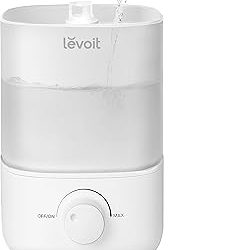
At 23 dB this is genuinely the quietest unit I have tested, and the top-fill design means you pour water in from a pitcher without ever inverting a heavy tank over the carpet. The 2-in-1 oil diffuser tray sits separate from the water reservoir, so eucalyptus does not degrade the plastic internals the way it does in cheaper combo units.
Everlasting Comfort 6L
Six liters and a claimed 50-hour runtime make this the set-it-and-forget-it pick for anyone tired of nightly refills, and the no-filter design means zero consumable costs. The wide mouth opening is the real selling point — you can get a bottle brush and a vinegar rinse into every corner in under three minutes.
Vicks Warm Steam Vaporizer
The 1.5-gallon boiling tank puts out genuinely warm, sterile steam and accepts VapoSteam liquid for medicated relief, which no cool mist unit can safely do. It draws more power and runs warmer than the ultrasonic options, but for adults with chronic sinus pressure it moves the needle faster.
8L Top Fill with Night Light
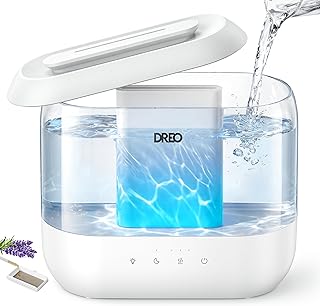
Two-plus gallons of capacity means this covers an open-plan bedroom or a small apartment level rather than one nightstand radius, and the essential oil diffuser plus dimmable night light consolidate three devices into one footprint. Best suited to larger rooms where a 4L unit would simply run dry before morning.
Frequently Asked Questions
What humidity level helps sinus problems?
Aim for 40% to 50% relative humidity. Below 30% your mucus membranes dry and crack; above 55% you invite dust mites and mold, which trigger the same symptoms you are trying to fix. A $10 hygrometer is essential equipment, not an accessory.
Should I use tap water?
Only in warm steam vaporizers, where boiling handles most microbes and minerals stay in the tank. Ultrasonic cool mist units aerosolize whatever is dissolved in the water, so use distilled or filtered water to prevent fine white dust coating your furniture and your lungs.
How often does it need cleaning?
Empty and dry the tank daily, and do a full descale with a 1:1 white vinegar and water soak every week. Skipping this turns your humidifier into an aerosol biofilm dispenser, which is the single most common reason people report worse congestion after buying one.
Can I add essential oils to any humidifier?
No. Oils crack plastic tanks and clog ultrasonic diaphragms. Use only units with a dedicated separate diffuser tray, like the Homvana or the 8L model, or drop oils onto a VapoPad slot in the Vicks units.
Final Thoughts
For most people the Everlasting Comfort 6L is the smart default — huge tank, no filters to buy, and it comes apart easily enough that you will actually clean it. If bedroom silence is non-negotiable, the Homvana 3.6L is the quieter choice, and I would pair either one with the Vicks Sinus Inhaler for the nights when you need congestion cleared in ten minutes rather than eight hours.