Key takeaways
- Coil gauge and count: Pocketed coils individually wrapped in fabric flex on their own, which is what kills motion transfer and lets the surface contour. Higher coil counts generally mean finer contouring; thicker (lower-gauge) wire means more support for heavier sleepers. Manufacturers rarely publish both, so treat total height and stated firmness as your proxy.
- Comfort layer depth: Plush comes from the top two to four inches. Too thin and you feel coils; too thick and you lose the hybrid advantage entirely. A 12-to-14-inch build with a substantial but not bottomless foam layer is the sweet spot for side and combination sleepers.
- Heat management: Foam traps warmth — that’s physics, not a defect. Look for gel infusion, open-cell structure, bamboo charcoal, or a knit cooling cover. Coils help here too, since the spring layer moves air in a way solid foam can’t.
- Foundation compatibility: Slats spaced wider than about three inches will let foam sag between them and can void warranties. Measure before you order. A plywood sheet or bunkie board is a ten-minute fix if your frame comes up short.
- Trial window and certification: Your body needs three to four weeks to adapt to a new sleep surface, so anything under a 90-night trial is cutting it close. CertiPUR-US certification confirms the foam meets emissions and content standards, and fiberglass-free construction spares you a genuinely miserable cleanup if the cover ever tears.
What's inside
Plush and supportive sound like opposites, and most mattress shopping goes sideways right there. You lie down in a showroom, sink into something cloud-soft, and buy it — then six months later your hips have carved a trench and your lower back files a complaint every morning. The problem isn’t softness itself. It’s softness with nothing underneath it. A plush comfort layer needs a coil system doing real structural work below, or the foam just keeps compressing until you’re sleeping on the floor with extra steps.
That’s the case for hybrids. Pocketed coils handle load-bearing and airflow; foam or a pillow top handles the pressure-point cushioning. Get the ratio right and you get a bed that cradles shoulders and hips without letting your spine sag. I’ve spent a lot of time with box springs, slat spacing, and mattresses hauled up narrow stairwells, so this guide leans practical: what the specs actually mean on your frame, in your room, at your body weight. Below are six mattresses worth a look in 2026, plus the buying logic to make sense of them.
As an Amazon Associate we earn from qualifying purchases.


How to Choose a Hybrid Plush Mattress (2026)
- Coil gauge and count: Pocketed coils individually wrapped in fabric flex on their own, which is what kills motion transfer and lets the surface contour. Higher coil counts generally mean finer contouring; thicker (lower-gauge) wire means more support for heavier sleepers. Manufacturers rarely publish both, so treat total height and stated firmness as your proxy.
- Comfort layer depth: Plush comes from the top two to four inches. Too thin and you feel coils; too thick and you lose the hybrid advantage entirely. A 12-to-14-inch build with a substantial but not bottomless foam layer is the sweet spot for side and combination sleepers.
- Heat management: Foam traps warmth — that’s physics, not a defect. Look for gel infusion, open-cell structure, bamboo charcoal, or a knit cooling cover. Coils help here too, since the spring layer moves air in a way solid foam can’t.
- Foundation compatibility: Slats spaced wider than about three inches will let foam sag between them and can void warranties. Measure before you order. A plywood sheet or bunkie board is a ten-minute fix if your frame comes up short.
- Trial window and certification: Your body needs three to four weeks to adapt to a new sleep surface, so anything under a 90-night trial is cutting it close. CertiPUR-US certification confirms the foam meets emissions and content standards, and fiberglass-free construction spares you a genuinely miserable cleanup if the cover ever tears.
The Best Hybrid Plush Mattress (2026)s Reviewed
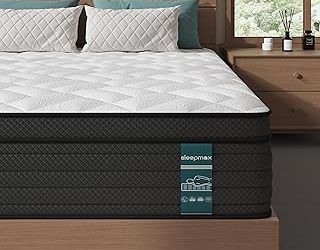
Novilla 12″ Hybrid Queen
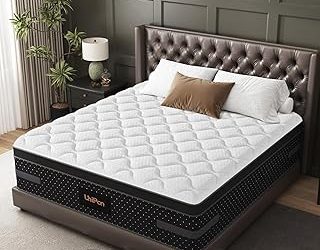
The pillow top does the softening while an innerspring core keeps the perimeter honest, which makes this a sensible pick for side sleepers who found all-foam beds too enveloping. It’s the budget entry here and the coil unit is basic, but for a guest room or a first apartment bed it punches well above its price.
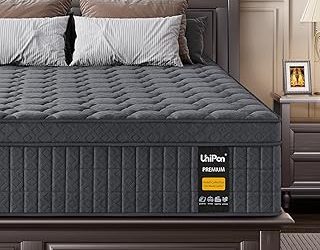
14″ Medium Plush Hybrid in a Box
Fourteen inches gives the designers room to stack a real memory foam comfort layer over pocketed coils without either one feeling shortchanged, and motion isolation is genuinely good — worth knowing if your partner keeps different hours. The 365-night trial is the outlier spec: a full year of seasons to decide.
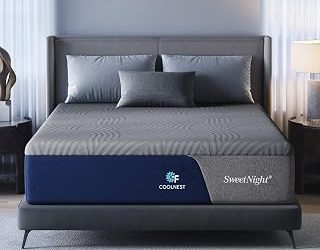
Sweetnight CoolNest 14″ King
The five-zone layout firms up under the lumbar region and softens at the shoulders, which is a smart answer to the usual plush-mattress complaint about midsection sag. Breathability is the headline feature and it earns it, making this a strong choice for warm bedrooms and hot sleepers who still want a medium feel.
Lucid 12″ Gel Memory Foam
Bamboo charcoal plus cooling gel gives you odor control and heat dispersion in one layer, and the medium-firm rating sits closer to supportive than sink-in. This one’s all foam rather than a true hybrid, so pair it with a solid platform or tight slats and it performs reliably.
Tuft & Needle Mint Medium Plush
Tuft & Needle’s foam formulation is more responsive than typical memory foam, so you get plush contouring without the stuck-in-place sensation, and the enhanced cooling is more than marketing copy. The 100-night trial and ten-year warranty back up a bed that’s made in the USA with global components.
Frequently Asked Questions
Does a plush mattress mean poor back support?
No — plushness describes the surface, not the structure. A hybrid with encased coils under a soft top can keep your spine neutral while cushioning pressure points. Softness only causes trouble when there’s no supportive layer beneath it.
How long until a boxed mattress fully expands?
Most reach usable shape within a few hours and full loft in 24 to 72 hours. Unbox it in the room where it’ll live, since a fully expanded queen is awkward to maneuver through doorways. Some off-gassing smell is normal and fades with airflow.
Do I need a box spring?
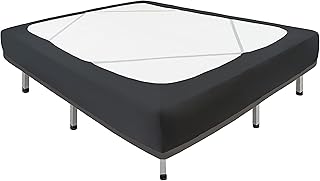
Generally no. Modern hybrids are built for platform frames, solid foundations, or slats spaced three inches or less. A traditional box spring can actually add too much bounce and raise the bed uncomfortably high.
Which firmness suits side sleepers?
Medium to medium-plush. Side sleeping concentrates weight on the shoulder and hip, so you want enough give for those to sink in while the waist stays supported. Back and stomach sleepers typically do better a step firmer.
Final Thoughts
If you want the best all-around balance of plush feel and real support, the 14″ Medium Plush Hybrid earns it, and that year-long trial removes most of the risk from ordering a mattress sight unseen. Hot sleepers should look hard at the Sweetnight CoolNest for its zoned support and airflow, while the Sealy Dreamlife brings encased coils and gel memory foam from a name with decades of engineering behind it. Whichever you choose, check your slat spacing first — it’s the cheapest insurance you’ll buy all year.