Key takeaways
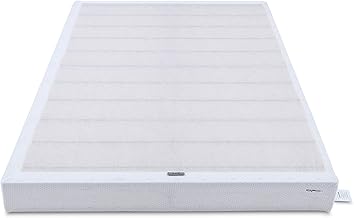
- Slat spacing and support: Foam and hybrid mattresses need gaps of 3 inches or less, plus a center rail on any king frame. Wider spacing lets foam sag between slats and voids most warranties. If you built your own frame, measure before you order — a sheet of 1/2-inch plywood or a bunkie board is the cheap fix.
- Height versus your frame: A 16-inch mattress on a 14-inch platform puts the sleep surface near 30 inches, which is high for shorter sleepers and awkward with standard fitted sheets. Add mattress height to deck height and check the total against your nightstands.
- Foam density over foam thickness: Total inches tell you less than what the comfort layer is made of. Look for gel or copper infusion, open-cell structures, or graphene covers if you sleep warm. Cheap low-density foam feels great for three months and develops body impressions by month eight.
- Hybrid for edge support, all-foam for silence: Pocketed coils give you a firmer perimeter, better airflow, and easier repositioning. All-foam wins on motion isolation and works better on slatted DIY frames because it doesn’t need a coil unit sitting flat.
- Certifications and trial length: CertiPUR-US covers foam emissions and content. Fiberglass-free matters if you ever plan to remove the cover for washing. And a long sleep trial is real insurance — bodies take three to four weeks to adapt to a new firmness.
What's inside
Anyone who has built their own platform bed knows the mattress is the part you can’t fix with a router and some wood glue. You can shim a wobbly frame, re-space slats, add a center support beam. But a king mattress that sleeps hot or sags under the hips is a 76-by-80-inch problem you live with every night. The frustrating part is that the specs that actually predict comfort — foam density, coil gauge, zone layout — are the ones product pages bury under marketing language about cloud-like cradling.
This guide approaches king mattresses the way you’d approach any component in a build: what’s inside it, what it needs from the structure below it, and whether the tolerances hold up over time. I’ve focused on boxed models that ship UPS-friendly, unbox in a single-person setup with a utility knife and some patience, and pair well with DIY or budget frames. Below you’ll find the current standouts on Amazon, plus the spec checklist I use before committing.
As an Amazon Associate we earn from qualifying purchases.


🛒 Best Price Today on Amazon
Prime members get fast, free shipping on everything above, plus member-only deals. New members get a 30-day free trial — cancel anytime.
How to Choose a King Size Mattress On Amazon (2026)
- Slat spacing and support: Foam and hybrid mattresses need gaps of 3 inches or less, plus a center rail on any king frame. Wider spacing lets foam sag between slats and voids most warranties. If you built your own frame, measure before you order — a sheet of 1/2-inch plywood or a bunkie board is the cheap fix.
- Height versus your frame: A 16-inch mattress on a 14-inch platform puts the sleep surface near 30 inches, which is high for shorter sleepers and awkward with standard fitted sheets. Add mattress height to deck height and check the total against your nightstands.
- Foam density over foam thickness: Total inches tell you less than what the comfort layer is made of. Look for gel or copper infusion, open-cell structures, or graphene covers if you sleep warm. Cheap low-density foam feels great for three months and develops body impressions by month eight.
- Hybrid for edge support, all-foam for silence: Pocketed coils give you a firmer perimeter, better airflow, and easier repositioning. All-foam wins on motion isolation and works better on slatted DIY frames because it doesn’t need a coil unit sitting flat.
- Certifications and trial length: CertiPUR-US covers foam emissions and content. Fiberglass-free matters if you ever plan to remove the cover for washing. And a long sleep trial is real insurance — bodies take three to four weeks to adapt to a new firmness.
The Best King Size Mattress On Amazon (2026)s Reviewed
Sweetnight CoolNest 14 Inch King
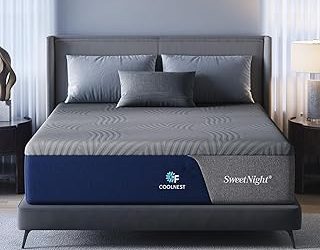
The five-zone layout does measurable work here — firmer foam under the lumbar region, softer through the shoulders — which keeps side sleepers from feeling propped up. Medium feel makes it the safest pick for couples who can’t agree, and the breathability upgrades hold up better than most all-foam builds at this price.
16 Inch Upgraded Luxury Hybrid King
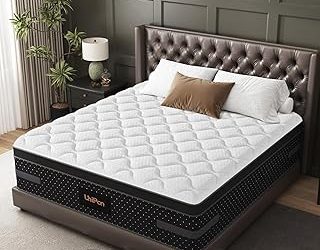
Seven zones over a pocketed coil unit gives you the firmest edge support in this group, which matters if you sit on the perimeter to lace boots or read. The 365-night trial is the standout spec, though at 16 inches you’ll want to confirm your frame height and sheet pocket depth first.
EGOHOME King 14 Inch Copper Gel Memory Foam
This is the one I’d hand to someone with lower back complaints — medium-firm with genuine pushback, plus a graphene cover and copper gel that keeps surface temperature down. Fiberglass-free construction and ICA endorsement make it an easy recommendation for a long-term build.
Novilla King 14 Inch Gel Memory Foam
Straightforward gel memory foam that nails the fundamentals: near-total motion isolation, gentle pressure relief, and a price that leaves budget for a proper frame. Best suited to lighter and average-weight sleepers who want a softer contour.
14 Inch Hybrid King with Pocket Springs
Individually wrapped coils under zoned memory foam land this in the sweet spot between responsiveness and quiet — you get airflow through the coil layer without the motion transfer of a connected innerspring. Medium-firm, and a solid match for stomach sleepers or heavier bodies.
Frequently Asked Questions
Do I need a box spring for a boxed king mattress?
No. These are designed for platform frames, slatted bases, or adjustable bases. What you need is a flat, well-supported surface with slats no more than 3 inches apart and a center support running the length of the frame.
How long should I wait before sleeping on it?
Give it 24 to 48 hours to fully expand, and keep the room ventilated. Off-gassing odor from CertiPUR-US foam is harmless but noticeable for the first few days.
Is a 12-inch mattress too thin for a king?
Not inherently. Thickness affects feel and the height of your sleep surface, not durability. Something like the EGOHOME 12 Inch Green Tea model works well on taller DIY frames where a 14-inch mattress would sit uncomfortably high.
Hybrid or all-foam for a homemade frame?
All-foam is more forgiving of imperfect slat work and dead silent. Hybrids need a genuinely flat, rigid deck to keep the coil unit from flexing unevenly, so add plywood if your slats have any give.
Final Thoughts
If you want one mattress that suits the widest range of sleepers, the Sweetnight CoolNest 14 Inch is the balanced choice — zoned support, neutral medium feel, strong cooling. For back pain and long-term durability, the EGOHOME 14 Inch Copper Gel is the more serious build, and the 16 Inch Luxury Hybrid earns its spot if you want coil edge support and the reassurance of a full year to decide.