Key takeaways
- Comfort layer depth: Side sleepers need at least 3 inches of genuine cushioning above the coil unit. Anything thinner and your shoulder bottoms out onto the springs, which is exactly the pressure point you’re trying to unload. Check the layer breakdown, not just total height.
- Latex type and placement: Talalay latex is airier and more forgiving, Dunlop is denser and better as a support layer. A hybrid that puts latex directly under the cover feels responsive and cool; latex buried at the base is mostly there for the spec sheet.
- Zoned coil layout: Look for pocketed springs with softer coils at the shoulders and firmer ones under the hips and lumbar. Five-zone systems handle the side sleeper’s uneven weight distribution far better than a uniform coil grid.
- Firmness calibration: Medium and medium-firm are the sweet spot for most side sleepers. Firm mattresses sound supportive but they refuse to let the shoulder sink, which forces your spine into a bend. If you’re over roughly 230 pounds, size up one step.
- Cover and edge construction: Feel for a quilted or Euro top rather than a thin stretch knit, and check whether the perimeter coils are reinforced. Side sleepers migrate toward the edge, and a collapsing border makes a queen feel like a twin.
What's inside
Side sleeping concentrates your entire body weight onto two narrow pressure points: the shoulder and the hip. Everything else is along for the ride. Get the layering wrong and you’ll wake with a numb arm and a lower back that feels like it spent the night in a hammock. The frustrating part is that most mattress listings tell you almost nothing useful about how the thing is actually built, so you’re buying a sealed box and hoping.
I approach mattresses the way I approach any build: pull the cover off, look at the layer stack, check the coil gauge, and see whether the materials do what the marketing claims. This guide sorts through the latex hybrid options worth your money in 2026, explains which construction details actually matter for shoulder and hip relief, and flags where a spec sheet is doing more talking than the mattress.
As an Amazon Associate we earn from qualifying purchases.


How to Choose a Latex Hybrid Mattress For Side Sleepers (2026)
- Comfort layer depth: Side sleepers need at least 3 inches of genuine cushioning above the coil unit. Anything thinner and your shoulder bottoms out onto the springs, which is exactly the pressure point you’re trying to unload. Check the layer breakdown, not just total height.
- Latex type and placement: Talalay latex is airier and more forgiving, Dunlop is denser and better as a support layer. A hybrid that puts latex directly under the cover feels responsive and cool; latex buried at the base is mostly there for the spec sheet.
- Zoned coil layout: Look for pocketed springs with softer coils at the shoulders and firmer ones under the hips and lumbar. Five-zone systems handle the side sleeper’s uneven weight distribution far better than a uniform coil grid.
- Firmness calibration: Medium and medium-firm are the sweet spot for most side sleepers. Firm mattresses sound supportive but they refuse to let the shoulder sink, which forces your spine into a bend. If you’re over roughly 230 pounds, size up one step.
- Cover and edge construction: Feel for a quilted or Euro top rather than a thin stretch knit, and check whether the perimeter coils are reinforced. Side sleepers migrate toward the edge, and a collapsing border makes a queen feel like a twin.
The Best Latex Hybrid Mattress For Side Sleepers (2026)s Reviewed
Coolvie Hybrid Latex King 14″
This is the most honestly built option here for heavier side sleepers, pairing real latex with five-zone heavy-duty springs and a Euro top that gives the shoulder somewhere to go. The gel foam adds contour without the sink-and-stay feeling you get from cheaper memory foam blends, and motion isolation is genuinely good for a coil-heavy build.
Ethical Mattress CO 10″ Organic Hybrid
Organic cotton, wool, latex, and pocketed coils, made in the USA, with no synthetic foam in the stack at all. At 10 inches it’s the thinnest here, so the comfort layer is modest for broad-shouldered sleepers, but the natural latex response is excellent and the wool regulates temperature better than any gel infusion I’ve tested.
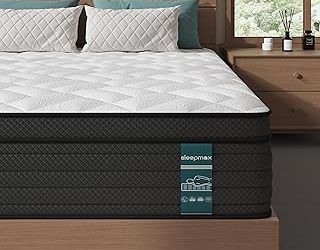
Sleepmax Queen 14″ Hybrid
A solid value pick with a deep comfort layer, CertiPUR-US certified foams, and a fiberglass-free build, which matters more than people realize when a cover eventually needs washing. The latex content is light compared to the premium options, so expect a softer, slower feel rather than the springy latex bounce.
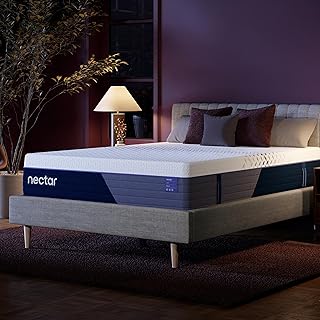
Nectar Luxe 14″ Hybrid King
The most refined finish of the group, with a genuinely plush top layer over a stable coil base and the industry’s most generous trial period. Medium firm here runs slightly softer than average, which suits average-weight side sleepers well but may feel underbuilt for anyone above roughly 250 pounds.
Luxury Hotel Cooling Hybrid Queen 14″
The zoned pocket spring layout is the standout feature, with noticeably different coil response under the shoulders versus the lumbar region. Cooling performance is respectable thanks to good airflow through the coil unit, though the quilted top compresses more over the first few months than the pricier picks.
Frequently Asked Questions
Is latex better than memory foam for side sleeping?
For most side sleepers, yes. Latex compresses under the shoulder but pushes back immediately, so you’re supported at the waist instead of being swallowed. Memory foam contours beautifully but its slow response makes repositioning harder, and repositioning is something side sleepers do all night.
Do these mattresses need a special foundation?
Latex hybrids are heavy, often 100 to 140 pounds in a queen. Your slats should be no more than 3 inches apart with a center support leg on any queen or larger. If you built the frame yourself, this is worth double-checking before the box arrives.
How long does the break-in period take?
Give it two to four weeks. Compressed foam and latex both need time to fully expand, and your body needs time to unlearn the compensations it developed on your old mattress. Early back stiffness usually resolves; persistent shoulder pain after a month means the comfort layer is too thin for you.
Does fiberglass-free actually matter?
It does. Fiberglass is used as a cheap flame barrier in the inner sock of some mattresses, and if that sock tears, cleanup is genuinely miserable. Every pick above uses an alternative barrier, which is one less thing to worry about years down the line.
Final Thoughts
If you’re a heavier side sleeper or you share the bed, the Coolvie Hybrid Latex King gives you the most substantial build and the best zoned support for the money. Sleepers who care about materials should look at the Ethical Mattress CO organic hybrid, provided your shoulders don’t need more than 10 inches to work with. And for a straightforward, well-finished medium firm with a long trial window, the Nectar Luxe is the low-risk choice.