Key takeaways
- Surface fiber: Rayon or viscose derived from bamboo and Tencel lyocell both move moisture off your skin faster than cotton and dramatically faster than polyester microfiber. If the listing only says “soft knit” with no fiber named, assume polyester.
- Membrane type: Look for thin TPU laminate rather than vinyl or PVC. TPU is quieter, more flexible, and far less likely to turn into a sweat-trapping sheet of plastic. Air-permeable 3D spacer fabrics are a good alternative if you want maximum airflow.
- Pocket depth and stretch: Measure your mattress with a topper already on it. A 12-inch mattress plus a 3-inch foam topper needs an 18-inch pocket minimum. Elasticized deep pockets in the 18 to 21-inch range save you from the nightly corner-popping fight.
- Noise test: Press your palm firmly into the surface and drag it. If you hear rustling through the fabric, you’ll hear it every time you turn over. Quality laminates are bonded to the knit so they flex silently.
- Protection vs. padding: Decide upfront whether you want a slim protector that changes nothing about feel, or a quilted pad that adds loft. Trying to get both from one product usually means compromising on breathability.
What's inside
If you’ve ever flipped your pillow at 3 a.m. and found the mattress underneath radiating heat back at you, you know the problem isn’t always the mattress itself. It’s the layer sitting on top. Most protectors are laminated with a plastic backing that traps every bit of body heat and moisture against you, and the cheap ones crackle like a grocery bag every time you shift. I’ve torn open more than a few to see what’s actually inside, and the difference between a breathable cover and a heat-trapping one usually comes down to two things: the fiber used on the sleep surface and how the waterproof membrane is bonded to it.
This guide covers the cooling mattress covers worth putting on a bed in 2026, from thin fitted protectors that disappear under your sheets to plush pillow-top pads that add real cushion. I’ve focused on what you can actually verify by hand: fabric feel, stretch across the corners, noise when you roll, and whether the seams look built to survive repeated hot washes. Below you’ll find the picks, followed by a straightforward buying checklist and answers to the questions I get asked most.
As an Amazon Associate we earn from qualifying purchases.



How to Choose a Mattress Cover For Cooling (2026)
- Surface fiber: Rayon or viscose derived from bamboo and Tencel lyocell both move moisture off your skin faster than cotton and dramatically faster than polyester microfiber. If the listing only says “soft knit” with no fiber named, assume polyester.
- Membrane type: Look for thin TPU laminate rather than vinyl or PVC. TPU is quieter, more flexible, and far less likely to turn into a sweat-trapping sheet of plastic. Air-permeable 3D spacer fabrics are a good alternative if you want maximum airflow.
- Pocket depth and stretch: Measure your mattress with a topper already on it. A 12-inch mattress plus a 3-inch foam topper needs an 18-inch pocket minimum. Elasticized deep pockets in the 18 to 21-inch range save you from the nightly corner-popping fight.
- Noise test: Press your palm firmly into the surface and drag it. If you hear rustling through the fabric, you’ll hear it every time you turn over. Quality laminates are bonded to the knit so they flex silently.
- Protection vs. padding: Decide upfront whether you want a slim protector that changes nothing about feel, or a quilted pad that adds loft. Trying to get both from one product usually means compromising on breathability.
The Best Mattress Cover For Cooling (2026)s Reviewed
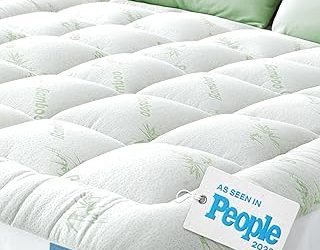
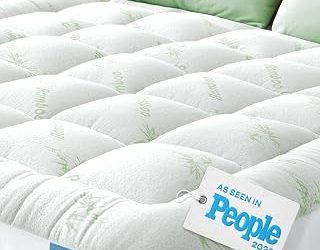
Niagara Sleep Solution Ultra Soft & Cooling Mattress Topper
This is the pick if your mattress has gone firm and hot at the same time. The bamboo-derived rayon top sheet pulls moisture away while the pillow-top fill adds genuine cushion for hip and lower-back pressure, and the 20-inch skirt handles thick mattresses without straining the elastic.
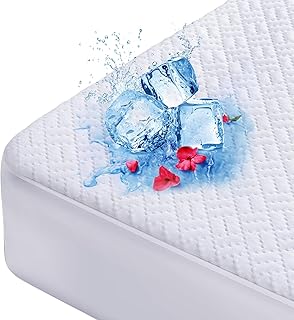
Cooling Waterproof Mattress Protector with 3D Air Fabric
The 3D spacer weave is the smart engineering here — it creates a physical air gap between you and the waterproof layer instead of pressing plastic against your skin. It runs the coolest of anything in this lineup, and the 8 to 21-inch pocket range fits almost any build.
Utopia Bedding Bamboo Viscose Waterproof Protector
The best value on the list, and the one I’d hand to someone outfitting a guest room or a kid’s bed. The bamboo viscose face is soft enough to sleep on directly, the fitted skirt stretches cleanly over 17-inch mattresses, and it holds up through repeated hot washes.
Luxury Tencel Mattress Protector, 100% Waterproof
Tencel lyocell has a distinctly cool, slick hand-feel that bamboo can’t quite match, making this the top choice for anyone who sleeps genuinely hot. Full waterproofing with an 18-inch pocket, and it stays whisper-quiet after months of use.
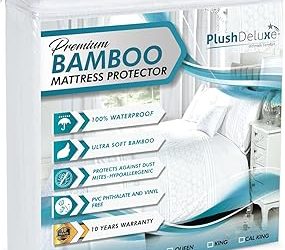
PlushDeluxe Bamboo Waterproof Mattress Protector, King
The best-executed king option I’ve handled, with even bonding across the whole panel — no stiff patches where the laminate bunched during manufacturing. Hypoallergenic, silent, and generous enough at 18 inches deep for a mattress plus a thin topper.
Frequently Asked Questions
Will a waterproof cover always sleep hotter?
Not with modern materials. A thin TPU film under a bamboo or Tencel knit adds almost no measurable heat retention. What causes overheating is vinyl backing, thick quilted polyester fill, or both stacked together.
Can I put a cooling cover over a memory foam topper?
Yes, and it’s often the right move since foam traps heat. Just add the topper’s thickness to your mattress height when checking pocket depth, and skip anything with dense padding that would smother the foam’s airflow.
How should I wash it without ruining the waterproofing?
Cold or warm wash, gentle cycle, tumble dry low. High heat is what delaminates TPU and causes it to peel away from the knit. Skip fabric softener too — it coats the fibers and kills the wicking that makes these covers cool in the first place.
Protector or full topper — which do I need?
If your mattress feels fine but sleeps warm, get a slim protector. If it’s firm, worn, or causing pressure points, go with a cooling pillow-top pad that fixes comfort and temperature in one layer.
Final Thoughts
For the coolest sleep surface available, the 3D Air Fabric protector wins on pure airflow engineering, with the Luxury Tencel Protector close behind for anyone who prefers a smooth, silky feel over a textured one. If you need cushion alongside cooling, the Niagara Sleep Solution pillow-top pad is the one I’d buy, and the Utopia Bedding bamboo viscose protector remains the smartest budget pick for spare beds.