Key takeaways
- Profile height: Aim for 14 inches minimum, and 16 to 18 inches if you’re above 275 pounds or sharing the bed. Extra height means a deeper support core, which is the layer doing the real work. Thin beds run out of material to compress before they run out of your body weight.
- Hybrid over all-foam, usually: Pocketed coils resist deep compression better than foam alone and let air circulate underneath you. All-foam works if the density is high, but springs give you a mechanical floor that foam has to earn chemically.
- Edge reinforcement: Look for perimeter coils of a heavier gauge or a dedicated foam rail. Weak edges shrink your usable sleeping surface and make getting in and out feel unstable. This is the first thing to fail on budget builds.
- Zoned support: Firmer coils or foam under the lumbar region and softer zones at the shoulders keep your spine neutral instead of letting your midsection sink. Five- and seven-zone layouts handle heavier frames noticeably better than uniform cores.
- Trial window and warranty language: A 365-night trial gives your body time to adapt and gives the mattress time to reveal sag. Read the warranty’s impression depth threshold, since many exclude anything under 1.5 inches, which is exactly where heavier sleepers see problems.
What's inside
Anyone over about 230 pounds learns fast that mattress marketing is written for someone else. That “medium feel” that reviewers rave about compresses into a hammock under real weight, the edges collapse when you sit down to tie your shoes, and the cooling claims evaporate because you’ve sunk far enough into the foam that no air moves at all. Support failure is the real issue here, not comfort preference. Once the core gives out, your hips drop below your shoulders and your lower back spends eight hours doing damage control.
I’ve spent enough time pulling covers off mattresses and poking at their guts to know what actually holds up: thicker profiles, higher-density foam, and coil systems with enough gauge and count to push back. This guide breaks down the specs that matter for heavier sleepers, then walks through six mattresses that earn their keep under load. No fluff about cloud-like softness, just what’s inside and whether it will still be there in year five.
As an Amazon Associate we earn from qualifying purchases.


How to Choose a Mattress For Heavier Person (2026)
- Profile height: Aim for 14 inches minimum, and 16 to 18 inches if you’re above 275 pounds or sharing the bed. Extra height means a deeper support core, which is the layer doing the real work. Thin beds run out of material to compress before they run out of your body weight.
- Hybrid over all-foam, usually: Pocketed coils resist deep compression better than foam alone and let air circulate underneath you. All-foam works if the density is high, but springs give you a mechanical floor that foam has to earn chemically.
- Edge reinforcement: Look for perimeter coils of a heavier gauge or a dedicated foam rail. Weak edges shrink your usable sleeping surface and make getting in and out feel unstable. This is the first thing to fail on budget builds.
- Zoned support: Firmer coils or foam under the lumbar region and softer zones at the shoulders keep your spine neutral instead of letting your midsection sink. Five- and seven-zone layouts handle heavier frames noticeably better than uniform cores.
- Trial window and warranty language: A 365-night trial gives your body time to adapt and gives the mattress time to reveal sag. Read the warranty’s impression depth threshold, since many exclude anything under 1.5 inches, which is exactly where heavier sleepers see problems.
The Best Mattress For Heavier Person (2026)s Reviewed
Luxury Hotel 18 Inch King Hybrid
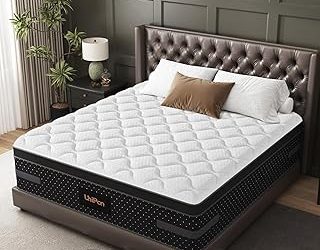
At 18 inches, this is the deepest build in the group, pairing pocket springs with cooling-gel memory foam and reinforced perimeter support that genuinely holds shape when you sit on the edge. If you’re at the upper end of the weight range or want the most headroom before compression becomes an issue, start here.
BedStory Firm King 14 Inch Hybrid
The firm rating is not marketing language here, and the zoned lumbar section pushes back where heavier sleepers need it most. Made in the USA with a 10-year warranty and CertiPUR-US certified foams, it’s the pick for back sleepers who wake up with lower-back complaints.
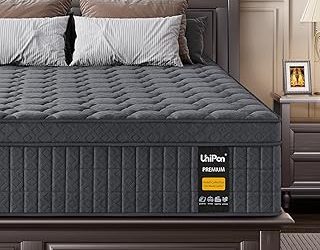
16 Inch Upgraded Luxury Hybrid King
Seven support zones and a medium-firm surface make this a smart middle path between the 14-inch options and the 18-inch flagship. Motion isolation is strong for a coil bed, so couples with a significant weight difference won’t feel every shift.
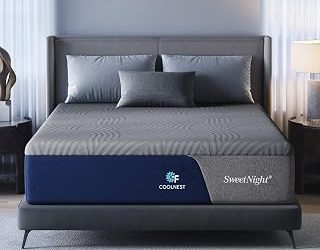
Sweetnight CoolNest 14 Inch King
This all-foam build leans on a five-zone ergonomic core rather than springs, and the breathability engineering keeps it from trapping heat the way older memory foam did. Best for side sleepers in the 230 to 275 range who prefer contouring over bounce.
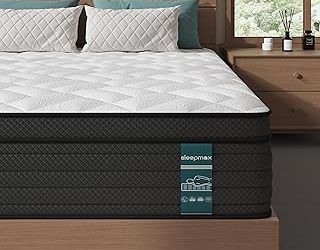
Sleepmax Queen 14 Inch Hybrid
A solid value hybrid with fiberglass-free construction and a 365-night trial, which matters when you need real time to judge support. The medium feel suits combination sleepers who move between back and side positions through the night.
Frequently Asked Questions
What firmness should a heavier person choose?
Medium-firm to firm, generally. Firmness is felt relative to the pressure you apply, so a mattress rated medium-firm on a standard scale will feel closer to medium under 280 pounds. Sizing up in firmness usually lands you where a lighter sleeper’s medium would.
Do I need a special foundation?
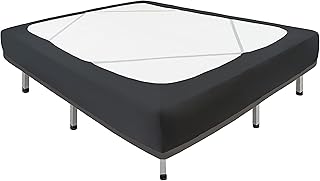
You need center support and slats spaced no more than 3 inches apart. Wide-slat platforms and older box springs let the mattress bow between supports, which voids most warranties and creates sag that isn’t the mattress’s fault.
How long will a mattress last under heavier weight?
Expect five to seven years from a well-built hybrid versus the eight to ten a lighter sleeper might get. Rotating it head-to-foot every three months meaningfully extends that.
Are all-foam mattresses a bad idea?
Not at all, but density is everything. High-density cores with zoned reinforcement, like the Sweetnight CoolNest, perform well; cheap low-density foam will develop body impressions within a year.
Final Thoughts
For most heavier sleepers, the Luxury Hotel 18 Inch Hybrid is the safest bet thanks to sheer build depth and serious edge reinforcement. Back sleepers dealing with pain should look hard at the BedStory Firm King for its zoned lumbar core, while the 16 Inch Upgraded Luxury Hybrid splits the difference nicely for couples who want support without a rock-hard surface.