Key takeaways
- Support core density: Look for base foam at 1.8 lb/ft³ or higher, or a pocketed coil unit with a lower gauge (12–13 gauge steel is stiffer than 15). This layer does the structural work; everything above it is comfort.
- Total height: Aim for 12 inches minimum, ideally 14. Thin profiles run out of material under concentrated weight, and you feel the foundation through the foam.
- Edge reinforcement: Firmer perimeter coils or a foam rail keep the sides from collapsing when you sit or sleep near the edge, which effectively gives you back several inches of usable surface.
- Heat management: More body contact means more trapped heat. Prioritize open-cell or gel-infused foam, graphene or copper conductive layers, and breathable covers over dense plush toppers.
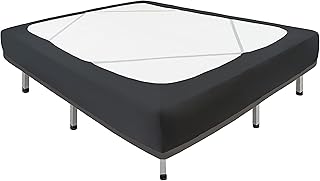
- Foundation compatibility: Slats spaced wider than 3 inches will telegraph through any mattress. Check the warranty language, since improper support voids most claims and causes the sag people blame on the bed.
What's inside
If you’ve ever pulled the sheets off a sagging mattress and found a body-shaped crater right where your hips land, you already know the problem: most beds are engineered for a 150-pound sleeper. Put 250, 300, or 400 pounds on that same foam and the math changes fast. Support layers compress, edges roll away when you sit down to lace your boots, and the “10-year warranty” quietly excludes the exact impression depth you’re staring at. Anyone who’s flipped a mattress, shimmed a bed frame, or added extra slats knows the fix isn’t more pillowtop, it’s better bones underneath.
This guide takes a builder’s view of mattress construction: what the support core is actually made of, how thick the comfort layers are before they bottom out, and whether the perimeter has enough reinforcement to stay level. I’ve focused on models with high-density foam cores or steel coil units, honest thickness specs, and cooling that works by airflow rather than marketing. Below you’ll find picks across budgets and sizes, plus the shopping criteria I’d use if I were spec’ing a bed for heavier sleepers.
As an Amazon Associate we earn from qualifying purchases.


How to Choose a Mattress For Overweight People (2026)
- Support core density: Look for base foam at 1.8 lb/ft³ or higher, or a pocketed coil unit with a lower gauge (12–13 gauge steel is stiffer than 15). This layer does the structural work; everything above it is comfort.
- Total height: Aim for 12 inches minimum, ideally 14. Thin profiles run out of material under concentrated weight, and you feel the foundation through the foam.
- Edge reinforcement: Firmer perimeter coils or a foam rail keep the sides from collapsing when you sit or sleep near the edge, which effectively gives you back several inches of usable surface.
- Heat management: More body contact means more trapped heat. Prioritize open-cell or gel-infused foam, graphene or copper conductive layers, and breathable covers over dense plush toppers.
- Foundation compatibility: Slats spaced wider than 3 inches will telegraph through any mattress. Check the warranty language, since improper support voids most claims and causes the sag people blame on the bed.
The Best Mattress For Overweight People (2026)s Reviewed
Nectar Luxe 14″ Memory Foam
Fourteen inches of layered memory foam with a genuinely firm support base makes this one of the few all-foam builds I’d trust under heavier sleepers, and the Cal King footprint suits taller frames. The medium-firm tuning gives contouring at the shoulders without letting hips sink past neutral spine alignment.
DreamCloud 12″ Hybrid
The pocketed coil core is what earns this bed its place: steel recovers from compression in a way foam alone can’t, so the surface stays level season after season. At 12 inches it’s the leanest pick here I’d still call adequate, and the extended trial gives you real time to judge break-in.
EGOHOME 14″ Copper Gel Memory Foam
Copper and graphene layers pull heat away from contact points, which addresses the single most common complaint from larger sleepers on foam beds. It’s fiberglass-free and CertiPUR-US certified, with a medium-firm feel that holds up well for back and side sleepers dealing with lumbar pain.
Sweetnight CoolNest 14″
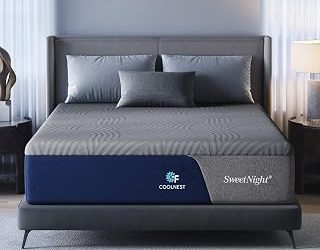
The five-zone construction firms up through the midsection where load concentrates and softens at the shoulders, a smart bit of engineering rather than uniform slab foam. Breathability is the standout, making it a strong King option for couples who both sleep warm.
Linenspa 8″ Hybrid
At 8 inches this is a budget and guest-room solution, not a primary bed for heavier sleepers, but the innerspring core gives it more backbone than foam-only mattresses at the same price. Reasonable for a Twin XL bunk, dorm, or spare frame where use is occasional.
Frequently Asked Questions
Is firmer always better for heavier sleepers?
No. You want a firm support core with enough comfort layer to cushion pressure points. A rock-hard surface creates gaps at the lumbar curve and shoulder, which causes its own aches.
How long should these mattresses last?
Expect six to eight years with a proper foundation, less if the base is under-supported. Hybrids with steel coils generally outlast all-foam builds under sustained higher loads.
Do I need a special bed frame?
You need adequate support: slats no more than 3 inches apart, plus a center support leg on queen and larger. This is a cheap, easy upgrade and it prevents most premature sagging.
Will a mattress topper fix a sagging bed?
Only temporarily. A topper masks surface feel but can’t restore a compressed support core, so the underlying dip will still affect alignment.
Final Thoughts
For most heavier sleepers, the DreamCloud hybrid is the safest structural bet thanks to its coil core, while the Nectar Luxe 14″ delivers the depth and density that all-foam beds usually lack. If sleeping hot is your main complaint, the EGOHOME copper gel build handles heat better than anything else on this list.