Key takeaways
- Foam density over gel marketing: Comfort layers under 3 lb/ft³ soften fast no matter how much gel is infused. Look for CertiPUR-US certification as a baseline, then favor beds that publish layer thicknesses rather than vague “cooling technology” claims.
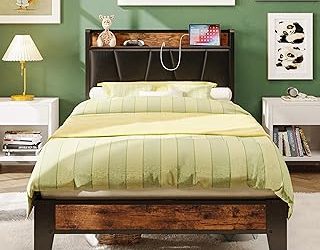
- Profile height and your frame: A 14-inch mattress on a tall platform bed puts the sleep surface near hip height, which makes getting in and out awkward. Measure from floor to slats, add the mattress height, and aim for 24 to 27 inches total.
- Slat spacing: All-foam beds need support gaps of 3 inches or less, or the foam bows between rails and voids the warranty. If your frame has wider spacing, a sheet of 1/2-inch plywood or a bunkie board is a twenty-minute fix.
- All-foam versus hybrid: Pocketed coils add edge support and airflow, which suits heavier sleepers and anyone who sits on the mattress edge to lace boots. Pure foam wins on motion isolation if you share the bed with a light sleeper.
- Expansion and trial windows: Give any boxed mattress 48 to 72 hours to reach full loft before judging firmness, and check the trial length before buying — a 100-night window is standard, and anything longer is a genuine advantage.
What's inside
Anyone who has wrestled a vacuum-sealed mattress up a stairwell knows the real test starts after the plastic comes off. Gel memory foam promised to fix the one complaint that dogged the original foam beds — sleeping hot — and most brands now stir gel beads, phase-change powders, or open-cell infusions into the comfort layer. The trouble is that “gel” on a spec sheet tells you almost nothing about density, slat compatibility, or whether the thing will sag over the middle of a platform frame in eighteen months.
This guide comes from the same mindset you bring to a workshop project: check the materials, check the joinery, then decide. Below are the gel memory foam mattresses worth your money in 2026, along with the specs that actually predict comfort, a buying checklist you can run through in five minutes, and answers to the questions that come up once the box is already in the bedroom.
As an Amazon Associate we earn from qualifying purchases.


How to Choose a Mattress Gel Memory Foam (2026)
- Foam density over gel marketing: Comfort layers under 3 lb/ft³ soften fast no matter how much gel is infused. Look for CertiPUR-US certification as a baseline, then favor beds that publish layer thicknesses rather than vague “cooling technology” claims.
- Profile height and your frame: A 14-inch mattress on a tall platform bed puts the sleep surface near hip height, which makes getting in and out awkward. Measure from floor to slats, add the mattress height, and aim for 24 to 27 inches total.
- Slat spacing: All-foam beds need support gaps of 3 inches or less, or the foam bows between rails and voids the warranty. If your frame has wider spacing, a sheet of 1/2-inch plywood or a bunkie board is a twenty-minute fix.
- All-foam versus hybrid: Pocketed coils add edge support and airflow, which suits heavier sleepers and anyone who sits on the mattress edge to lace boots. Pure foam wins on motion isolation if you share the bed with a light sleeper.
- Expansion and trial windows: Give any boxed mattress 48 to 72 hours to reach full loft before judging firmness, and check the trial length before buying — a 100-night window is standard, and anything longer is a genuine advantage.
The Best Mattress Gel Memory Foam (2026)s Reviewed
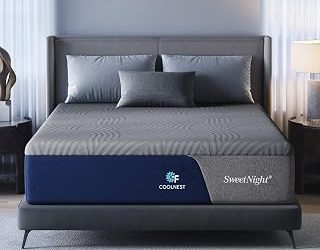
Sweetnight CoolNest 14 Inch King
The five-zone construction is the standout here: firmer foam under the lumbar region and softer sections at the shoulders and hips, which keeps side sleepers from feeling like they are floating on top of the bed. At 14 inches on a king footprint it is heavy to maneuver solo, so recruit a second pair of hands and unbox it in the room where it will live.
Novilla Queen 14 Inch Gel Memory Foam
Novilla has built a reputation on delivering respectable foam at an entry price, and this queen holds that line with strong motion isolation and a medium feel that suits combination sleepers. Expect a mild new-foam smell for a day or two — open a window and run a fan across the surface and it clears quickly.
Nectar 12″ Memory Foam Queen
Nectar’s medium-firm build is the safest recommendation on this list, with a slow-response feel that cradles pressure points without the quicksand sensation older foam beds were known for. The one-year trial is the real differentiator: you get a full seasonal cycle to judge how it handles summer heat before committing.
Coolvie Twin XL 14 Inch Hybrid
A hybrid this size makes a smart pick for guest rooms, loft builds, and split-king adjustable setups, since the individually wrapped coils give it noticeably better edge stability than an all-foam twin XL. The medium-plush surface leans softer than the label suggests, which favors side sleepers over back sleepers.
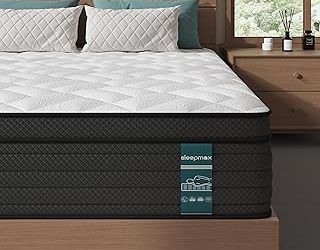
PUBPLON Queen 12 Inch Hybrid
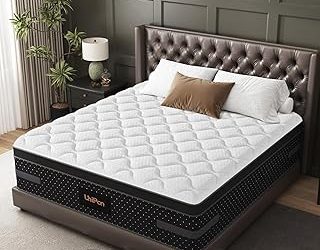
Reinforced perimeter coils and a 12-inch profile make this the most frame-friendly option here — it fits standard bed frames and fitted sheets without the strain that 14-inch beds create. The medium-firm feel and pocketed spring core suit back and stomach sleepers who want gel cooling without sinking in.
Frequently Asked Questions
Does gel memory foam actually sleep cooler?
It helps, though the effect is moderate rather than dramatic. Gel infusions delay heat buildup in the first few hours; open-cell structure, perforated foam, and coil airflow do more for long-term temperature regulation. Breathable sheets matter as much as the mattress itself.
How long should I wait before sleeping on a boxed mattress?
Most are usable within 24 hours, but full expansion takes two to three days. Cut the plastic carefully with a utility blade held flat against the surface — a diagonal cut is the most common way people nick the foam.
Do I need a box spring?
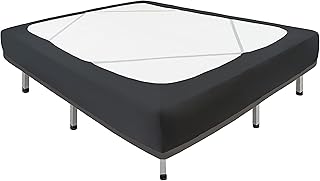
No, and a traditional box spring can actively hurt an all-foam bed. Use a solid platform, closely spaced slats, or a bunkie board over an existing frame.
What is the realistic lifespan?
Seven to ten years for quality foam, with hybrids often lasting longer thanks to coil support. Rotating the mattress head to foot every six months evens out compression.
Final Thoughts
For most bedrooms the Nectar 12″ is the pick that requires the least deliberation — medium-firm, well-built, with a trial period long enough to test it through a summer. If you want zoned support and a taller build for a king frame, the Sweetnight CoolNest earns its spot, while the PUBPLON hybrid is the smart choice when you need coil edge support and a profile that plays nicely with standard frames and sheets.