Key takeaways
- Measure your mattress height first: Grab a tape measure and check your mattress from the seam at the bottom to the highest point on top, then add any existing pad. A 20″ deep pocket handles a pillow-top plus a protector; a 14″ pocket on a 16″ mattress will pop off the corners by week two.
- Pillow top vs. memory foam: Fiberfill pads sit on top and add cushioning, and they’re machine washable. Memory foam contours and stays put, but it traps heat and you clean it with spot treatment only. Pick based on whether your complaint is “too firm” or “wrong support.”
- Watch the heat trap: Gel infusion and ventilation holes help, but they don’t eliminate the issue. If you run hot, rayon-from-bamboo or cotton covers move moisture better than polyester ticking, and open-cell foam beats solid slabs.
- Check the fill distribution, not just the thickness: An overfilled pad with no baffle box or quilting will migrate to the edges within a month. Look for sewn channels or diamond stitching that lock fill in place.
- Give foam a week to break in: New memory foam arrives compressed and smells like a factory. Unroll it, leave it in a ventilated room for 48–72 hours, and expect the loft and softness to change as it fully expands.
What's inside
A sagging mattress rarely fails all at once. It happens over a couple of years, and by the time you notice the hip-shaped crater you’ve been sleeping in, replacing the whole thing costs more than a weekend project should. A topper is the cheapest structural fix in the bedroom: three inches of the right material can redistribute pressure across a worn-out coil layer or soften a foundation that feels like plywood. The catch is that “topper” covers two completely different products, and buying the wrong one wastes the money you were trying to save.
Pillow-top pads add loft and surface plush. Memory foam changes how your body sinks in and where the pressure lands. This guide walks through both categories, explains how to read the specs that actually matter (pocket depth, fill weight, foam density), and reviews six Amazon toppers that hold up under real use — including which ones survive a wash cycle and which ones need a protector over the top.
As an Amazon Associate we earn from qualifying purchases.


How to Choose a Mattress Topper Amazon (2026)
- Measure your mattress height first: Grab a tape measure and check your mattress from the seam at the bottom to the highest point on top, then add any existing pad. A 20″ deep pocket handles a pillow-top plus a protector; a 14″ pocket on a 16″ mattress will pop off the corners by week two.
- Pillow top vs. memory foam: Fiberfill pads sit on top and add cushioning, and they’re machine washable. Memory foam contours and stays put, but it traps heat and you clean it with spot treatment only. Pick based on whether your complaint is “too firm” or “wrong support.”
- Watch the heat trap: Gel infusion and ventilation holes help, but they don’t eliminate the issue. If you run hot, rayon-from-bamboo or cotton covers move moisture better than polyester ticking, and open-cell foam beats solid slabs.
- Check the fill distribution, not just the thickness: An overfilled pad with no baffle box or quilting will migrate to the edges within a month. Look for sewn channels or diamond stitching that lock fill in place.
- Give foam a week to break in: New memory foam arrives compressed and smells like a factory. Unroll it, leave it in a ventilated room for 48–72 hours, and expect the loft and softness to change as it fully expands.
The Best Mattress Topper Amazon (2026)s Reviewed
Niagara Sleep Solution Ultra Soft & Cooling Topper
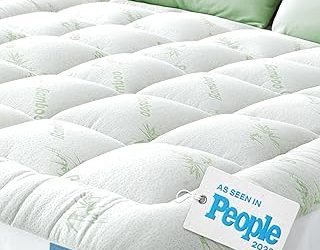
The rayon-from-bamboo surface is the reason to buy this one: it feels cool to the touch on contact and dries fast, which matters if you sweat through the night. The 20″ deep pocket is genuinely generous, so it works over thick hybrids and stays anchored without the corner-strap workarounds cheaper pads require.
ELEMUSE Queen Extra Thick Mattress Topper
This is the plushest option here, with a down-alternative fill that’s deliberately overfilled for a hotel-bed sink. Best for side sleepers with shoulder pressure or anyone trying to rescue a mattress that’s gone rock hard — just be aware that loft this deep needs occasional fluffing to stay even.
Cotton Extra Thick Pillow Top Mattress Pad
A 100% cotton top is the most breathable surface in this lineup, and it softens with every wash instead of pilling. Pick this if synthetic covers make you clammy and you want something you can strip off and launder on a normal cycle without babying it.
Linenspa 2 Inch Gel Memory Foam Topper
Two inches is the sweet spot for adjusting feel without swallowing you, and the gel infusion keeps it from running as warm as standard memory foam. CertiPUR certification means the off-gassing is minimal, though I’d still air it out for two days before putting sheets on.
BEDLORE Queen Viscose Bamboo Topper
The stretch pockets fit anything from 6″ to 18″, which makes this the safest bet if you’re buying for a guest room or a bed you haven’t measured. The viscose bamboo cover handles heat well, and the dark gray hides wear better than white pads do.
Frequently Asked Questions
Will a topper fix a sagging mattress?
It masks minor dips and softens firm spots, but it can’t restore broken support. If you can see a visible valley or feel coils, foam over the top just conforms to the sag. Rotate the mattress first, then add a topper.
How thick should a memory foam topper be?
Two inches adjusts surface feel. Three inches changes pressure relief meaningfully and suits heavier sleepers or side sleepers. Beyond that you’re mostly fighting heat retention and making sheets hard to fit.
Can I wash a memory foam topper?
No. Spot clean with mild detergent and let it dry completely before use — soaking foam destroys the cell structure. Use a washable protector over it instead, which is cheaper to replace.
Why does my topper slide around?
Usually a pocket depth mismatch. Measure your mattress and confirm the skirt has 2–3 inches of margin. Anchor bands or a fitted sheet pulled tight over both layers solves the rest.
Final Thoughts
For hot sleepers, the Niagara bamboo topper is the most reliable pick here — cool surface, deep pocket, easy to launder. If your problem is a mattress that’s too firm, the ELEMUSE delivers the deepest plush of the group, while the Best Price Mattress 3 Inch ventilated foam is the better choice when you need real pressure relief rather than surface softness.