Key takeaways
- Edge stability over deep cushioning: A topper that swallows the perimeter of the bed makes standing up harder. Look for 2–3 inches of supportive foam or a quilted pillow top that compresses evenly, rather than an ultra-soft slab that collapses under seated weight at the edge.
- Deep-pocket fit you can actually install: Measure mattress height before ordering. Fitted-skirt designs with 18–20 inch pockets and stretch corners go on in one pass; foam pads with no anchoring will creep and bunch, which is both a fall risk and a nightly annoyance.
- Temperature regulation in both directions: Gel-infused and ventilated foams pull heat away for hot sleepers, while down-alternative fill traps warmth for those who run cold. Rayon or viscose bamboo covers split the difference with good breathability and a cool hand-feel.
- Weight and washability: Skip anything requiring professional cleaning. Machine-washable quilted covers survive real life. If the topper is foam, check whether the cover unzips, because incontinence and spills are practical considerations, not hypothetical ones.
- Certifications, not marketing copy: CertiPUR-US means the foam was tested for VOCs, formaldehyde, and heavy metals. That matters more when someone spends ten-plus hours a day in bed. Expect a few days of off-gassing regardless, so unbox in a ventilated room.
What's inside
Shopping for a mattress topper on behalf of an aging parent, or for yourself, is a different project than picking one out at 30. Hips and shoulders that used to sink comfortably into a soft surface now register every pressure point. Getting out of bed matters as much as sleeping in it, and a topper that’s too plush can turn a simple morning transfer into a wrestling match. Add in circulation changes that make bodies run cold at night, thinner skin that bruises easily, and the very real fact that a heavy foam slab is nearly impossible to wrangle onto a bed solo, and the usual “just buy memory foam” advice falls apart fast.
I’ve installed a fair number of these on beds in family homes and assisted-living rooms, and the pattern is consistent: the winners are the ones that solve a specific problem without creating a new one. Below are six toppers worth your attention, organized around what actually matters at this stage of life, plus a buying framework you can apply to anything else you come across.
As an Amazon Associate we earn from qualifying purchases.



How to Choose a Mattress Topper For Seniors (2026)
- Edge stability over deep cushioning: A topper that swallows the perimeter of the bed makes standing up harder. Look for 2–3 inches of supportive foam or a quilted pillow top that compresses evenly, rather than an ultra-soft slab that collapses under seated weight at the edge.
- Deep-pocket fit you can actually install: Measure mattress height before ordering. Fitted-skirt designs with 18–20 inch pockets and stretch corners go on in one pass; foam pads with no anchoring will creep and bunch, which is both a fall risk and a nightly annoyance.
- Temperature regulation in both directions: Gel-infused and ventilated foams pull heat away for hot sleepers, while down-alternative fill traps warmth for those who run cold. Rayon or viscose bamboo covers split the difference with good breathability and a cool hand-feel.
- Weight and washability: Skip anything requiring professional cleaning. Machine-washable quilted covers survive real life. If the topper is foam, check whether the cover unzips, because incontinence and spills are practical considerations, not hypothetical ones.
- Certifications, not marketing copy: CertiPUR-US means the foam was tested for VOCs, formaldehyde, and heavy metals. That matters more when someone spends ten-plus hours a day in bed. Expect a few days of off-gassing regardless, so unbox in a ventilated room.
The Best Mattress Topper For Seniors (2026)s Reviewed
BDEUS Dual Layer 5 Inch Memory Foam Topper
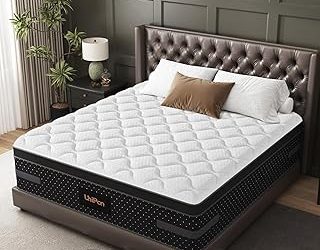
This is the most complete solution here: 2 inches of gel memory foam for genuine pressure relief, topped with a 1450 GSM quilted pillow top so nobody sleeps directly on foam. It’s the pick for a worn-out mattress you’re not ready to replace, though at five inches you’ll want to confirm your sheets still reach and that the added height doesn’t raise the bed past a comfortable sit-to-stand level.
EGO 3 Inch Gel Memory Foam Topper
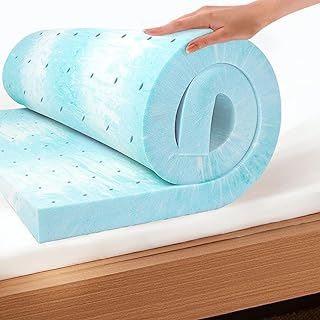
Three inches of ventilated, gel-infused foam is the sweet spot for hip and shoulder pressure without losing the firm base underneath. The perforation pattern is doing real work on airflow, and the CertiPUR-US certification is reassuring. Give it 48 hours to fully expand before judging the feel.
Niagara Sleep Solution Ultra Soft & Cooling Topper
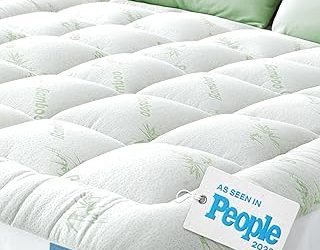
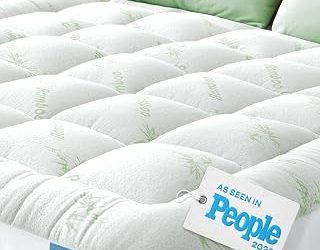
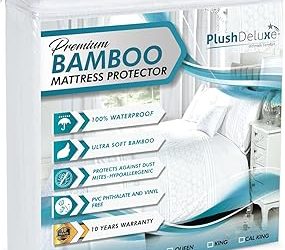
A pillow-top pad with a rayon-from-bamboo surface and a 20 inch deep pocket that grips thick mattresses without a fight. Best suited to someone who wants softness and cooling but doesn’t need structural correction from a sagging bed.
BEDLORE Viscose Bamboo Pillow Top Pad
The stretchable pockets fitting 6 to 18 inch mattresses make this the most forgiving install of the group, which matters if you’re setting it up alone. Breathable, plush, and machine-friendly, it’s a solid middle-of-the-road choice for hot sleepers with mild back complaints.
ELEMUSE Extra Thick Pillowtop Pad
Overfilled down-alternative fill with elastic deep pockets, aimed squarely at people who sleep cold and want a cloud-like surface. It won’t fix a bad mattress, but it transforms a too-firm one and holds warmth better than any foam here.
Frequently Asked Questions
Is memory foam or a pillow top better for seniors?
Memory foam handles pressure-point pain and arthritis better. Pillow tops handle temperature, washability, and ease of getting in and out of bed better. Dual-layer designs combine both, which is why they tend to win overall.
Will a thick topper make the bed too high?
It can. Add the topper thickness to your mattress height and check that feet still rest flat on the floor when sitting on the edge. If not, drop to a 2 inch model.
How do I stop a topper from sliding?
Buy the fitted-skirt style rather than a loose foam pad. If you already own a slab, a non-slip rug pad underneath plus a tight fitted sheet over the top solves it.
How long do these last?
Two to four years for quilted pillow tops, three to five for quality certified foam. Body impressions deeper than about an inch mean it’s time to replace.
Final Thoughts
For most people the BDEUS dual-layer topper is the best overall answer, since it delivers foam-grade pressure relief without the sleep-directly-on-foam drawbacks. If your mattress is still structurally sound and you just need pressure relief and cooling, the EGO 3 Inch gel foam topper is the leaner, easier-to-install choice, while the BEDLORE bamboo pad is the one I’d hand to someone setting up a bed by themselves.