Key takeaways
- Slat spacing: Keep gaps at 3 inches or less. Wider spacing lets foam sag between slats and creates permanent dips. If your frame has 5-inch gaps, cut extra slats from 1×4 pine or drop in a bunkie board before the mattress arrives.
- Profile height: An 8-inch mattress on a 14-inch platform sits low; a 14-inch mattress on the same frame can feel like climbing a hay bale. Measure from the floor to your slats, then add mattress thickness and aim for a 22 to 26 inch total sitting height.
- Edge structure: All-foam beds soften at the perimeter. If you sit on the edge to lace boots every morning, a pocket-spring hybrid gives you a firmer rail that won’t collapse.
- Airflow underneath: Solid plywood traps moisture and invites mildew. Drill a grid of 1-inch holes or switch to spaced slats so the foam can breathe from below.
- Certifications and materials: Look for CertiPUR-US foam and fiberglass-free construction. Fiberglass fire barriers are a nightmare if the cover ever tears, and cleanup is genuinely hazardous.
What's inside
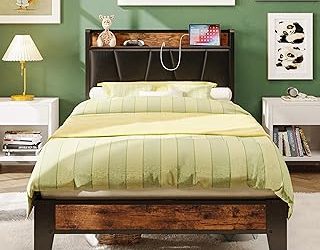
If you’ve ever hauled a box spring up a narrow staircase, you already know the problem: that hollow wooden frame is bulky, heavy, and increasingly pointless. Modern foam and hybrid mattresses are built to sit on a solid or slatted surface, and putting one on a traditional box spring can actually void the warranty. The catch is that a lot of mattresses still ship with vague setup instructions, leaving buyers guessing whether their platform bed, bunkie board, or plywood-topped frame will do the job.
This guide is written from the workshop bench up. I’ve built platform frames out of 2x4s, retrofitted metal bases with extra slats, and slept on enough bed-in-a-box mattresses to know which ones hold their shape when there’s nothing underneath but wood. Below you’ll find six mattresses that perform well without a box spring, plus the specs that actually matter when you’re pairing a mattress to a DIY or store-bought platform.
As an Amazon Associate we earn from qualifying purchases.


🛒 Best Price Today on Amazon
Prime members get fast, free shipping on everything above, plus member-only deals. New members get a 30-day free trial — cancel anytime.
How to Choose a/an Mattress Without Box Spring (2026)
- Slat spacing: Keep gaps at 3 inches or less. Wider spacing lets foam sag between slats and creates permanent dips. If your frame has 5-inch gaps, cut extra slats from 1×4 pine or drop in a bunkie board before the mattress arrives.
- Profile height: An 8-inch mattress on a 14-inch platform sits low; a 14-inch mattress on the same frame can feel like climbing a hay bale. Measure from the floor to your slats, then add mattress thickness and aim for a 22 to 26 inch total sitting height.
- Edge structure: All-foam beds soften at the perimeter. If you sit on the edge to lace boots every morning, a pocket-spring hybrid gives you a firmer rail that won’t collapse.
- Airflow underneath: Solid plywood traps moisture and invites mildew. Drill a grid of 1-inch holes or switch to spaced slats so the foam can breathe from below.
- Certifications and materials: Look for CertiPUR-US foam and fiberglass-free construction. Fiberglass fire barriers are a nightmare if the cover ever tears, and cleanup is genuinely hazardous.
The Best Mattress Without Box Spring (2026)s Reviewed
EGOHOME 8 Inch Green Tea Memory Foam, Full
At 8 inches, this is the one I’d put on a low loft platform or a guest room build where headroom is tight. The green tea gel infusion helps with heat, and the medium-firm feel is supportive enough that it doesn’t telegraph slat lines through the foam, provided your gaps stay tight.
Nectar 12″ Memory Foam, Queen
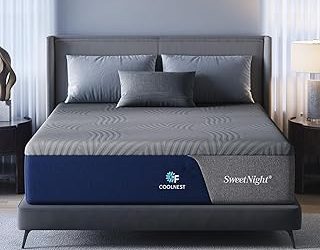
Nectar remains the safe bet if you want a mattress you won’t second-guess. The 12-inch build has enough transition foam to keep heavier sleepers from bottoming out on a hard platform, and the one-year trial gives you time to adjust your frame if the height isn’t right the first time.
Signature Design by Ashley 12 Inch Chime, Queen
This is the value pick for a spare room or a rental you’re furnishing on a budget. Motion isolation is genuinely good for the price, and the stretch knit cover unrolls and expands quickly, which matters when you’re assembling a bed frame and mattress in the same afternoon.
Novilla 14 Inch Gel Memory Foam, Queen
The extra thickness here buys you plush comfort layers without sacrificing support underneath, making it a good match for a sturdy slatted base. Side sleepers who want deeper hip and shoulder sink will notice the difference over a 10 or 12-inch build.
Sleepmax 14 Inch Hybrid, Queen
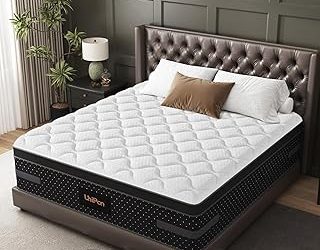
Pocket springs give this one the firmest perimeter of the group, so it’s my recommendation for anyone who sits on the edge of the bed daily. The 365-night trial and fiberglass-free construction make it an easy mattress to live with long term.
Frequently Asked Questions
Can I put a foam mattress directly on the floor?
You can, but airflow suffers and condensation builds underneath. If you go this route, stand the mattress on its side once a week to let it dry out, or lay down a slatted bunkie board for a couple of inches of clearance.
What’s the cheapest DIY base that actually works?
A simple 2×4 perimeter frame with 1×4 pine slats spaced 2.5 inches apart. Expect to spend well under a hundred dollars in lumber, and it will outperform most metal frames for support.
Do hybrids need different support than all-foam mattresses?
Slightly. Pocket-spring hybrids tolerate marginally wider slat gaps because the coil unit distributes weight, but staying under 3 inches is still the safe target for both types.
How long until a new mattress feels right?
Give it 30 nights. Foam needs time to finish expanding and your body needs time to adapt, and most mattresses feel firmer in week one than they will in month two.
Final Thoughts
For most DIY builders, the Nectar 12″ is the most forgiving choice: supportive, well-tested, and backed by a trial long enough to sort out any frame issues. If you want a firmer edge for sitting and dressing, the Sleepmax 14 Inch hybrid earns its keep, and the EGOHOME 8 Inch remains the smart pick for low-profile platforms and guest rooms where every inch of height counts.