Key takeaways
- Thickness vs. purpose: Two inches softens a firm surface. Three inches genuinely changes the feel and cushions hips and shoulders. Anything thicker than that starts fighting your fitted sheets and swallowing your bed frame’s headboard clearance.
- Heat management: Foam traps warmth by nature. Look for gel infusion, graphite, or open-cell ventilation holes punched through the slab. Ventilated foam with a breathable knit cover outperforms a solid block with a marketing sticker every time.
- Foam density and CertiPUR-US: Higher density holds its shape longer but sleeps firmer initially. CertiPUR-US certification means the foam was tested for VOC emissions and prohibited flame retardants — worth checking, and non-negotiable in a kid’s room.
- Cover and washability: A removable, machine-washable cover is the difference between a topper that lasts five years and one you toss after a spill. Foam itself can never go in a washer, so the cover is your only line of defense.
- Fit and anchoring: Measure your mattress depth before ordering. Skirted or fitted designs with deep pockets (18 inches or more) stay put; unanchored foam slabs migrate. If you buy the loose kind, budget for a set of sheet suspenders.
What's inside
Anyone who has flipped a sagging mattress at 2 a.m. knows the feeling: the bones of the bed are fine, but the surface has given up. Replacing the whole thing costs four figures and a weekend of wrestling furniture through doorways. A memory foam mattress cover — topper, pad, whatever your local store calls it — solves the actual problem for a fraction of the money, and installation is a ten-minute job you can do solo if you don’t mind a little bear-hugging.
The catch is that “memory foam topper” covers everything from a 2-inch dorm-room fix to a 3-inch graphite-infused slab that behaves like a genuine mattress upgrade. Density, gel infusion, ventilation, cover material, and whether the thing straps down or sits loose all change how it feels six months in. Below I’ve broken down the specs that actually matter on the bed, then walked through the models worth your money in 2026 — including a couple I’ve had hands on long enough to see how they age.
As an Amazon Associate we earn from qualifying purchases.


How to Choose a Memory Foam Mattress Cover (2026)
- Thickness vs. purpose: Two inches softens a firm surface. Three inches genuinely changes the feel and cushions hips and shoulders. Anything thicker than that starts fighting your fitted sheets and swallowing your bed frame’s headboard clearance.
- Heat management: Foam traps warmth by nature. Look for gel infusion, graphite, or open-cell ventilation holes punched through the slab. Ventilated foam with a breathable knit cover outperforms a solid block with a marketing sticker every time.
- Foam density and CertiPUR-US: Higher density holds its shape longer but sleeps firmer initially. CertiPUR-US certification means the foam was tested for VOC emissions and prohibited flame retardants — worth checking, and non-negotiable in a kid’s room.
- Cover and washability: A removable, machine-washable cover is the difference between a topper that lasts five years and one you toss after a spill. Foam itself can never go in a washer, so the cover is your only line of defense.
- Fit and anchoring: Measure your mattress depth before ordering. Skirted or fitted designs with deep pockets (18 inches or more) stay put; unanchored foam slabs migrate. If you buy the loose kind, budget for a set of sheet suspenders.
The Best Memory Foam Mattress Cover (2026)s Reviewed
Saatva Graphite Memory Foam Topper (3″, King)
Graphite conducts heat away from the surface more effectively than gel beads do, and this is the rare topper where you can feel the difference on a summer night. The organic cotton cover and clean edge construction put it closer to a mattress layer than an accessory, and it noticeably dampens motion transfer if you share a bed with a restless sleeper.
Tempur-Pedic TEMPUR-Adapt + Cooling 3-Inch
Tempur’s proprietary foam responds slower and cradles deeper than standard viscoelastic, which is exactly what you want if pressure points are the reason you’re shopping. It’s the priciest option here by a wide margin, but the washable cover and the density of the slab mean you’re buying a decade, not a season.
Lucid 3 Inch Gel Memory Foam Topper (King)
The best value-per-inch pick in this group: deep plush feel, CertiPUR-US certified, with ventilation holes drilled through to keep air moving. Give it 48 hours to fully expand and off-gas before you make the bed — mine still had a slight dip in one corner on day one and looked perfect by day three.
Best Price Mattress 3 Inch Ventilated Gel Topper (Queen)
A no-frills ventilated slab that does the one job well, and the price makes it the obvious choice for a guest room or a dorm bed you’re not emotionally invested in. There’s no cover included, so pair it with a washable pad unless you want to be scrubbing foam by hand.
Serta ThermaGel 2 Inch Topper (Twin XL)
Two inches is the right call when you like your mattress but want the sharp edges taken off, and the ThermaGel layer keeps surface temperature reasonable. It’s also the easiest of the bunch to fit under standard sheets without stretching the elastic to its limit.
Frequently Asked Questions
Do I need a mattress protector over my memory foam topper?
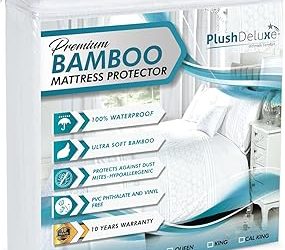
Yes, if you want it to survive. Foam cannot be washed or spot-cleaned aggressively without breaking down, so a waterproof layer like the Bedsure 800 GSM pad on top of the foam is cheap insurance — especially in a kid’s room or a dorm.
How long does a memory foam topper last?
Three to five years for budget foam, closer to eight to ten for high-density options like Tempur-Pedic or Saatva. Body impressions deeper than about an inch that don’t recover overnight mean the foam is done.
Will a topper fix a sagging mattress?
Only cosmetically. Foam conforms to whatever’s underneath, so a dip in the mattress becomes a dip in your topper. Fix the sag with a plywood insert or new support slats first, then add the foam.
Why does my new topper smell?
Off-gassing from the manufacturing process. Unroll it in a ventilated room and leave it bare for two to three days; the smell dissipates and isn’t a sign of a defect.
Final Thoughts
If budget isn’t the deciding factor, the Saatva Graphite topper is the one I’d put on my own bed — the cooling performance and organic cotton cover justify the spend, with the Tempur-Pedic TEMPUR-Adapt a close second for anyone whose priority is pure pressure relief. For everyone else, the Lucid 3 Inch gel topper delivers most of that comfort for a fraction of the cost, and pairing it with the Bedsure waterproof pad gives you a setup that’ll hold up for years.