Key takeaways
- Measure your frame first, not the mattress: Standard twin is 38″ x 75″, but bunk beds and daybeds often need a low profile so the guardrail still clears the sleeping surface by 5 inches. If you built the frame yourself, measure the interior rails — homemade platforms run tight more often than they run loose.
- Match height to sleeper weight: Under 100 lbs and a 5-to-8-inch build supports fine. Adults over 150 lbs will bottom out on anything under 10 inches, feeling the slats through the foam within a few months.
- Check slat spacing before you unbox: Memory foam needs gaps of 3 inches or less or it sags between supports. Adding a plywood sheet or extra slats costs under twenty dollars and doubles the useful life of the mattress.
- Read the cooling method, not the cooling claim: Gel infusion, open-cell structure, and green tea additives all work differently. Gel beads pull heat by mass, breathable covers move air, and neither does much if the frame blocks airflow underneath.
- Verify CertiPUR-US certification: This confirms low VOC emissions and no prohibited flame retardants. It matters most on kids’ beds and in small rooms where off-gassing lingers.
What's inside
Twin mattresses get treated like an afterthought. They land in bunk beds, guest rooms, loft platforms, and the daybed you built from 2x4s and a weekend of sanding — and then somebody actually has to sleep on them. The trouble is that the twin category is where corner-cutting hides best. A 5-inch slab and a 12-inch foam build both show up under the same search term, both claim pressure relief, and both arrive vacuum-rolled in a box that tells you nothing until you cut the plastic.
This guide sorts the twin memory foam field by what the mattress is actually being asked to do. I’ve grouped picks by build height, foam density, and cooling approach, since those three things determine whether a mattress works on a slatted frame, inside a bunk with a guardrail height limit, or as a nightly bed for a growing kid. Below you’ll find the models worth your money in 2026, plus the specs I check before anything comes into my shop.
As an Amazon Associate we earn from qualifying purchases.




How to Choose a Memory Foam Twin Mattress (2026)
- Measure your frame first, not the mattress: Standard twin is 38″ x 75″, but bunk beds and daybeds often need a low profile so the guardrail still clears the sleeping surface by 5 inches. If you built the frame yourself, measure the interior rails — homemade platforms run tight more often than they run loose.
- Match height to sleeper weight: Under 100 lbs and a 5-to-8-inch build supports fine. Adults over 150 lbs will bottom out on anything under 10 inches, feeling the slats through the foam within a few months.
- Check slat spacing before you unbox: Memory foam needs gaps of 3 inches or less or it sags between supports. Adding a plywood sheet or extra slats costs under twenty dollars and doubles the useful life of the mattress.
- Read the cooling method, not the cooling claim: Gel infusion, open-cell structure, and green tea additives all work differently. Gel beads pull heat by mass, breathable covers move air, and neither does much if the frame blocks airflow underneath.
- Verify CertiPUR-US certification: This confirms low VOC emissions and no prohibited flame retardants. It matters most on kids’ beds and in small rooms where off-gassing lingers.
The Best Memory Foam Twin Mattresses Reviewed
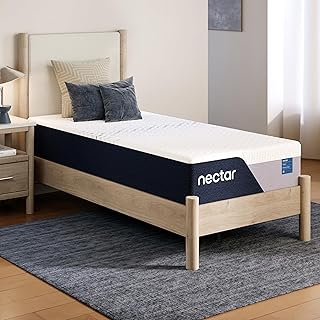
Nectar 12″ Twin Memory Foam Mattress
Twelve inches gives Nectar room for a proper layered build rather than a foam sandwich, and the medium-firm feel holds up for teenagers and adults who’d sink through a thinner mattress. The year-long trial is genuinely useful here, since foam needs six to eight weeks of body heat before it settles into its real feel.
Novilla Bliss Twin Mattress
The zoned support layer is the reason to pick this over the standard Novilla — firmer foam under the lumbar region, softer at the shoulders, which keeps side sleepers from twisting their spine. Medium plush reads soft on contact but the support core underneath is doing real work.
Novilla 10 Inch Twin Mattress
A straightforward gel memory foam build that hits the sweet spot for guest rooms and everyday twin use without the price of a flagship model. Ten inches clears most standard bed frames while staying low enough for platform builds with shallow rails.
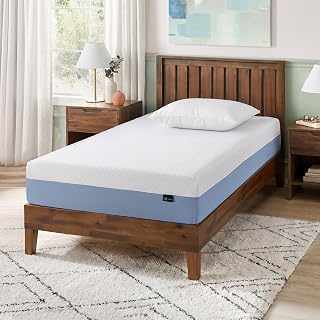
Zinus 8 Inch Twin Cooling Essential
Zinus keeps the profile low and the certifications stacked — CertiPUR-US plus OEKO-TEX on the cover materials, which is unusual at this height. The medium feel and 8-inch build make it my default recommendation for bunk beds where guardrail clearance is non-negotiable.
MLILY 8 Inch Twin for Kids
Green tea extract in the foam handles odor rather than temperature, which is the actual problem in a kid’s room. Medium firm at 8 inches supports lighter sleepers well and fits daybeds and bunks without raising the sleeping surface past safe height.
Frequently Asked Questions
How long does memory foam take to expand after unboxing?
Most twin mattresses reach usable shape in 24 to 48 hours, though full recovery can take up to 72 hours in a cold room. Warmth speeds it along — leaving the mattress in a heated space rather than a garage makes a noticeable difference.
Can I put memory foam directly on a plywood platform?
Yes, and it supports well, but seal the plywood first and drill a few ventilation holes. Solid unfinished surfaces trap moisture underneath, which leads to mildew on the mattress bottom over time.
Is a 5-inch mattress ever the right choice?
For a trundle, a camp bunk, or occasional guest use, absolutely. For nightly sleep by anyone over roughly 100 pounds, step up to at least 8 inches — thin foam compresses permanently under regular load.
Do memory foam twins need a box spring?
No. Foam needs a flat, evenly supported base, and a traditional box spring provides the wrong kind of give. Closely spaced slats or a solid ventilated platform is the better pairing.
Final Thoughts
If this is a nightly bed for a teen or adult, the Nectar 12″ earns the extra spend through build depth and a trial period long enough to judge honestly. For bunk beds and low-clearance frames, the Zinus 8 Inch Cooling Essential is the reliable pick, and the Novilla Bliss is the one I’d choose for anyone with back complaints thanks to its zoned support layer.