Key takeaways
- Certifications over adjectives: Look for GOLS (organic latex), GOTS (organic cotton and wool), or OEKO-TEX Standard 100. These require third-party testing and lot traceability. “Eco,” “green,” and “natural” require nothing.
- Know the fill by name: Latex, wool, and cotton are single-material fills you can identify by touch and smell. Vague terms like “down alternative” or “microfiber cluster” almost always mean polyester, which isn’t dangerous but isn’t what you’re paying a premium for.
- Check the cover and its finishes: A great fill under a treated cover defeats the purpose. Skip permanent stain repellents, antimicrobial silver treatments, and anything advertised as wrinkle-free unless certified.
- Ask about the fire barrier: Wool passes flammability tests on its own. Synthetic fills often need an added barrier, sometimes silica-based, sometimes not disclosed. If a maker won’t say, that’s your answer.
- Judge the build, not the loft: Turn it over and inspect the stitching density, baffle boxes, and skirt elastic. Tight quilting on a 6-inch grid keeps fill in place; loose channels migrate into lumps by month four.
What's inside
Anyone who has ever pulled apart a worn-out mattress topper knows the letdown: a sagging shell of polyester batting, a whiff of chemical sweetness, and a laminated backing that crackles like a chip bag. “Non-toxic” gets stamped on a lot of packaging, but the phrase carries no legal weight. It tells you nothing about the foam blowing agents, the antimicrobial finish on the cover, or the fire barrier tucked between layers. If you care what your face is pressed against for a third of your life, the label is where you start, not where you stop.
This guide takes a bench-level look at what these toppers are actually built from. We cover the certifications worth trusting, the fills that hold up over years rather than months, and six specific toppers spanning organic latex, dense wool, cotton, and bamboo-derived viscose, so you can match construction to how you sleep and what your budget allows.
As an Amazon Associate we earn from qualifying purchases.


How to Choose a Non Toxic Mattress Topper (2026)
- Certifications over adjectives: Look for GOLS (organic latex), GOTS (organic cotton and wool), or OEKO-TEX Standard 100. These require third-party testing and lot traceability. “Eco,” “green,” and “natural” require nothing.
- Know the fill by name: Latex, wool, and cotton are single-material fills you can identify by touch and smell. Vague terms like “down alternative” or “microfiber cluster” almost always mean polyester, which isn’t dangerous but isn’t what you’re paying a premium for.
- Check the cover and its finishes: A great fill under a treated cover defeats the purpose. Skip permanent stain repellents, antimicrobial silver treatments, and anything advertised as wrinkle-free unless certified.
- Ask about the fire barrier: Wool passes flammability tests on its own. Synthetic fills often need an added barrier, sometimes silica-based, sometimes not disclosed. If a maker won’t say, that’s your answer.
- Judge the build, not the loft: Turn it over and inspect the stitching density, baffle boxes, and skirt elastic. Tight quilting on a 6-inch grid keeps fill in place; loose channels migrate into lumps by month four.
The Best Non Toxic Mattress Toppers (2026) Reviewed
Pure Green Natural Latex Topper, 2 Inch Soft
This is the cleanest ingredient list on the list: GOLS-certified organic latex, no glues, no fillers, no cover to complicate things. The soft 2-inch version adds genuine pressure relief without the marshmallow sink of memory foam, and latex has the resilience to keep its shape for a decade.
Organic Merino Wool Topper, 1650 GSM
At 1650 grams per square meter, this is a serious amount of wool, hand-tufted rather than glued or fused. Wool regulates temperature and humidity better than any synthetic, and it self-extinguishes, meaning no chemical fire barrier is needed anywhere in the build.
EASELAND Cotton Pillow Top Mattress Pad
The practical pick. A quilted cotton top over a machine-washable body, with a deep pocket that clears 21 inches, so it fits over a topper you already own. It won’t transform a bad mattress, but it’s a durable, launderable buffer at a fraction of latex pricing.
100% Cotton Extra Thick Pillow Top Topper
Thicker quilting than the standard cotton pad, with a breathable cotton face that stays neutral in temperature all night. A solid middle ground for side sleepers who want cushion at the hip and shoulder without heat buildup.
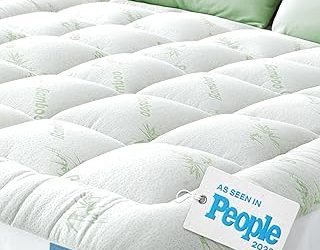
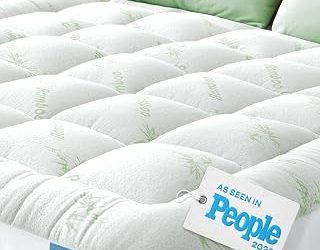
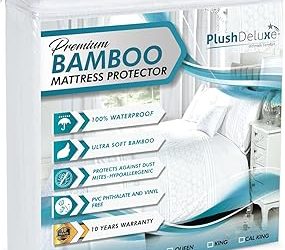
BEDLORE Viscose Bamboo Pillow Top Topper
Bamboo-derived viscose has a cool, slick hand feel that hot sleepers tend to love, and the stretch-pocket skirt handles anything from 6 to 18 inches. Just be clear that the bamboo is in the cover; the loft underneath is fiberfill.
Frequently Asked Questions
Is bamboo viscose actually non-toxic?
The finished fiber is inert and safe against skin, and OEKO-TEX certification confirms no harmful residues. The processing itself is chemical-intensive, so if manufacturing footprint matters to you, organic cotton or wool is the more honest choice.
Do latex toppers smell?
Fresh natural latex has a faint milky, rubbery scent that fades within a few days of airing out. That’s the material, not off-gassing. A sharp or solvent-like smell points to synthetic blends instead.
Will a wool topper make me hot?
The opposite, usually. Wool moves moisture vapor away from your skin, which is what actually causes overheating. It insulates in winter and buffers humidity in summer.
Can I wash any of these?
Cotton and bamboo-covered pads are machine washable on cold. Latex and wool are not: spot clean, air them outdoors a couple times a year, and use a washable protector over the top.
Final Thoughts
If you want the shortest ingredient list and the longest service life, the Pure Green organic latex topper is the one to build your bed around. The Organic Merino Wool 1650 GSM is the better call if temperature swings wake you up, and EASELAND’s cotton pad delivers honest, washable comfort for anyone who’d rather not spend latex money.