Key takeaways
- Drawer mechanics: Metal glides on ball bearings beat plastic-on-particleboard runners every time. Pull a drawer fully open during setup and watch for droop; that sag only worsens once it’s packed with sleepers and swaddles.
- Interlocking safety systems: Some dressers only allow one drawer open at a time, which keeps the center of gravity where it belongs. It’s a mechanical safeguard, not a marketing badge, and it matters most once your toddler discovers drawers make excellent stairs.
- GREENGUARD Gold certification: This tests finished goods for VOC emissions, not just raw panels. In a room where an infant sleeps 14 hours a day, low off-gassing is worth prioritizing over a slightly better price.
- Top surface dimensions: A contoured changing pad wants roughly 34 inches of usable width and a flat, unlipped top. Measure before assuming your dresser doubles as a changer, and confirm the manufacturer allows pad mounting on that model.
- Anti-tip hardware and wall access: Every one of these needs strapping to a stud. Locate your studs first, and note whether the dresser sits flush to the baseboard or needs a spacer, since a tilted cabinet defeats the tether.
What's inside
Every nursery build hits the same snag: the dresser has to be a changing station, a clothes depot, a diaper cache, and eventually a real piece of bedroom furniture for a kid who no longer needs any of it. Most shoppers end up buying twice because the first dresser was chosen for looks and folded under actual use. Drawer boxes bow, glides bind once you load them, and the flat top turns out to be too narrow for a contoured changing pad.
I’ve assembled enough flat-pack furniture to know where corners get cut, so this guide judges nursery dressers the way you’d inspect them in a shop: drawer construction, hardware quality, anti-tip provisions, emissions certification, and whether the top surface can genuinely carry a changing pad. Below are the models that hold up to that scrutiny, plus the specs worth checking before you click buy.
As an Amazon Associate we earn from qualifying purchases.


🛒 Best Price Today on Amazon
Prime members get fast, free shipping on everything above, plus member-only deals. New members get a 30-day free trial — cancel anytime.
How to Choose a Nursery Dresser (2026)
- Drawer mechanics: Metal glides on ball bearings beat plastic-on-particleboard runners every time. Pull a drawer fully open during setup and watch for droop; that sag only worsens once it’s packed with sleepers and swaddles.
- Interlocking safety systems: Some dressers only allow one drawer open at a time, which keeps the center of gravity where it belongs. It’s a mechanical safeguard, not a marketing badge, and it matters most once your toddler discovers drawers make excellent stairs.
- GREENGUARD Gold certification: This tests finished goods for VOC emissions, not just raw panels. In a room where an infant sleeps 14 hours a day, low off-gassing is worth prioritizing over a slightly better price.
- Top surface dimensions: A contoured changing pad wants roughly 34 inches of usable width and a flat, unlipped top. Measure before assuming your dresser doubles as a changer, and confirm the manufacturer allows pad mounting on that model.
- Anti-tip hardware and wall access: Every one of these needs strapping to a stud. Locate your studs first, and note whether the dresser sits flush to the baseboard or needs a spacer, since a tilted cabinet defeats the tether.
The Best Nursery Dressers (2026) Reviewed
Storkcraft Horizon 6 Drawer Dresser (Driftwood)
The interlocking drawer system is the standout here, restricting simultaneous openings to keep the load centered, and the driftwood finish hides scuffs better than gloss white. Assembly runs long but the pre-drilled alignment is accurate, which is more than I can say for most dressers in this bracket.
Storkcraft Avalon 6 Drawer Double Dresser (White)
The double-wide layout gives you a broad, uninterrupted top that comfortably accommodates a changing pad without overhang, plus six drawers arranged in two columns for sensible sorting. GREENGUARD Gold certification and the same safety interlock make it the most practical pick for a room doing double duty.
Storkcraft Rio 6 Drawer Dresser (Frosted Oat)
Frosted Oat splits the difference between warm wood and neutral paint, which helps if you’re matching an existing crib rather than buying a full set. Construction mirrors the Horizon, so you get the interlocking drawers and low-emissions certification in a softer visual package.
DaVinci Charlie 6-Drawer Baby Dresser (White)
DaVinci builds heavier than most competitors, and the Charlie’s drawer boxes feel noticeably more rigid under load. It’s the one I’d pick if the dresser needs to survive being handed down to a second child or repurposed in a teenager’s room a decade from now.
Vabches 7 Drawer Nursery Dresser (Oak)
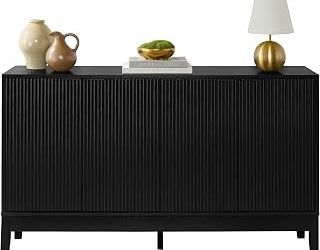
Fluted fronts and brass-tone pulls give this one genuine furniture presence, and the seventh drawer is a useful shallow tray for socks and small essentials. Check your wall clearance carefully, since the taller footprint trades width for height and narrows the usable changing surface.
Frequently Asked Questions
Can I use any dresser as a changing table?
Only if the top is flat, rated for the combined weight of pad and child, and wide enough to fully support the pad’s base. Always secure the pad with the supplied bracket and anchor the dresser to a stud.
What does GREENGUARD Gold actually certify?
It confirms the finished product tested below strict chemical emissions thresholds, including formaldehyde and VOCs. Certification applies to specific models, so verify the exact SKU rather than trusting the brand name alone.
How long does assembly typically take?
Budget 90 minutes to two hours for a six-drawer unit working solo. Lay out and count hardware first, keep a rubber mallet handy for cam-lock panels, and don’t fully tighten anything until the case is squared.
Is a 6-drawer or 7-drawer configuration better?
Six deep drawers suit bulky items like blankets and sleep sacks, while a seven-drawer layout adds a shallow tray useful for socks, bibs, and pacifiers. Match it to what you actually store, not the higher number.
Final Thoughts
For most nurseries the Storkcraft Avalon double dresser is the strongest all-rounder, offering a genuinely usable changing surface alongside the interlocking drawer safeguard. If long-term durability matters more than footprint, the DaVinci Charlie is the sturdier build, while the Vabches 7-drawer delivers the most design character for rooms where the dresser is the focal point.