Key takeaways
- Frame material and wall thickness: HDPE and teak win on longevity because neither rusts. If you go with a steel or aluminum frame, look for stated wall thickness — anything under 1mm will flex at the weld points. Tap the tubing when it arrives; a dull thud means solid stock, a tinny ring means you’ll be adding gussets.
- Weight capacity as a proxy for build quality: A 750 lb rating tells you more about the joinery than any marketing copy will. Manufacturers who publish high numbers have tested the load path from cushion to leg, which usually means through-bolts instead of self-tapping screws.
- Backrest mechanism design: Multi-position recliners live or die on their ratchet hardware. Steel pawls with a positive detent will still hold at level four in year three; stamped brackets with plastic bushings start slipping by month eight. Test each position before you commit to the assembly.
- Cushion construction and drainage: Look for reticulated or quick-dry foam, not standard upholstery foam wrapped in polyester. If the cover has no drainage grommets on the underside, add four yourself with a leather punch — five minutes of work that prevents a season of mildew.
- Modularity and footprint math: Convertible daybeds that split into a loveseat plus ottoman give you two layouts from one purchase, which matters on decks under 100 square feet. Measure your clearance in full-recline position, not folded, since that’s where the real footprint shows up.
What's inside
Anyone who has spent a weekend assembling flat-pack patio furniture knows the frustration: the photos promise a resort lounger, and what arrives is a wobbly frame with hardware that strips on the third bolt. Outdoor daybeds are especially tricky because they carry real weight, sit in direct sun, and get soaked by sprinklers and storms. The failure points are predictable once you know where to look — thin-wall tubing, powder coat sprayed over bare steel, staple-attached wicker, and cushion covers with no drainage in the foam.
I’ve torn down and rebuilt enough of these to know which construction details actually matter after two summers outside. This guide breaks down the specs worth paying for, walks through six of the strongest options available right now, and flags the small modifications that turn a decent daybed into one that outlasts the warranty. Whether you’re outfitting a narrow balcony or a poolside deck, the goal is the same: buy once, tighten the bolts annually, and skip the replacement cycle.
As an Amazon Associate we earn from qualifying purchases.


🛒 Best Price Today on Amazon
Prime members get fast, free shipping on everything above, plus member-only deals. New members get a 30-day free trial — cancel anytime.
How to Choose a/an Outdoor Daybed (2026)
- Frame material and wall thickness: HDPE and teak win on longevity because neither rusts. If you go with a steel or aluminum frame, look for stated wall thickness — anything under 1mm will flex at the weld points. Tap the tubing when it arrives; a dull thud means solid stock, a tinny ring means you’ll be adding gussets.
- Weight capacity as a proxy for build quality: A 750 lb rating tells you more about the joinery than any marketing copy will. Manufacturers who publish high numbers have tested the load path from cushion to leg, which usually means through-bolts instead of self-tapping screws.
- Backrest mechanism design: Multi-position recliners live or die on their ratchet hardware. Steel pawls with a positive detent will still hold at level four in year three; stamped brackets with plastic bushings start slipping by month eight. Test each position before you commit to the assembly.
- Cushion construction and drainage: Look for reticulated or quick-dry foam, not standard upholstery foam wrapped in polyester. If the cover has no drainage grommets on the underside, add four yourself with a leather punch — five minutes of work that prevents a season of mildew.
- Modularity and footprint math: Convertible daybeds that split into a loveseat plus ottoman give you two layouts from one purchase, which matters on decks under 100 square feet. Measure your clearance in full-recline position, not folded, since that’s where the real footprint shows up.
The Best Outdoor Daybed (2026)s Reviewed
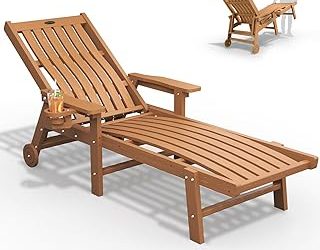
SERWALL 2-in-1 HDPE Daybed with Ottoman Table Set
HDPE is the material I recommend to anyone tired of touching up rust, and SERWALL’s solid recycled-plastic frame won’t rot, splinter, or need annual sealing. The four-position recline plus the integrated cup holder makes this the most self-contained option here, though the plastic lumber does add real weight — plan on two people for the initial setup.
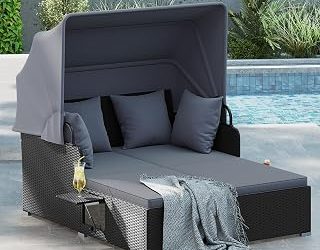
Amopatio Wicker Outdoor Daybed with Ottoman
The folding tray and storage ottoman handle two problems most daybeds ignore: nowhere to set a drink and nowhere to stash cushions during a downpour. The PE wicker weave is tight and well-tucked at the terminations, which is where cheaper rattan starts unraveling first.
Tangkula Patio Rattan Daybed with Storage Ottoman
Tangkula’s four-level backrest hardware feels more substantial than the category average, and the navy-over-brown palette hides pollen and water spots better than lighter cushions. The ottoman doubles as an extension for full-length lounging, making this an efficient double sunbed for a mid-size patio.
Cambridge Casual Costa Teak Daybed
Teak is the buy-it-for-life choice: the natural oils resist water and insects without any coating, and the 750 lb capacity reflects genuine mortise-and-tenon joinery rather than bracket-and-screw shortcuts. Expect it to weather to silver-grey within a year unless you oil it, which is a maintenance preference rather than a durability issue.
Moccha Outdoor Wicker Daybed with Folding Panels
The folding side panels let this reconfigure from a two-person loveseat to a flat sunbed without moving anything, which is the most useful flexibility in a small-space setup. Cushion thickness is generous enough that you won’t feel the frame rails through the seat.
Frequently Asked Questions
Do I need to bring an outdoor daybed inside during winter?
The frame usually doesn’t need it, but the cushions always do. HDPE, teak, and PE wicker tolerate freeze-thaw cycles fine; foam that freezes wet will break down internally and never recover its loft. Store cushions in a dry space and cover the frame if snow load is a concern.
How long does assembly actually take?
Budget 45 to 90 minutes for most wicker and HDPE models, and closer to two hours for teak with more hardware points. Pre-sort every bag before you start, and hand-thread each bolt a few turns before driving it — that single habit prevents the cross-threading that ruins most flat-pack builds.
Will the wicker fade in full sun?
Quality PE wicker holds color for several seasons because the UV inhibitor is compounded into the resin rather than surface-applied. Cushion fabric fades faster than the weave does, so check whether the fabric is solution-dyed if your daybed gets six-plus hours of direct exposure.
Can I replace the cushions later?
Usually yes, and it’s often cheaper than buying a new set from the manufacturer. Measure the seat deck and back rise before ordering aftermarket cushions, and take a photo of the original tie-strap placement so the replacements sit correctly against the backrest.
Final Thoughts
If you want the longest service life with the least upkeep, the Cambridge Casual Costa teak daybed is the one that will still be solid a decade out. The SERWALL HDPE set is the smarter pick for anyone who wants zero refinishing and a genuinely convertible layout, and the Tangkula rattan daybed hits the best balance of adjustable comfort and storage for standard patios and balconies.