Key takeaways
- Power source first, BTU second: Map your electrical reality before shopping. A 48V DC unit pairs with a LiFePO4 bank and solar; a 110V-only unit means shore power or an inverter big enough to swallow the startup surge. Buying the wrong voltage is the most expensive mistake here.
- Real consumption, not rated BTU: Look for kWh-per-hour figures or measured amp draw. A 5,000 BTU unit sipping 125W beats a 14,000 BTU monster if you’re running off 200Ah of storage overnight.
- Hose and mounting geometry: Single-hose units pull conditioned air out and create negative pressure, dragging hot air through every gap in your build. Dual-hose designs stay balanced. Window-sill units skip ducting entirely but need a compatible opening.
- Condensate handling: Self-evaporating or drainage-free models save you from emptying a tank at midnight. If yours drains, plan a gravity line and a bulkhead fitting through the floor before installation, not after.
- Noise at sleeping distance: Ratings under 45dB are livable in a confined space. Rubber isolation pads under the chassis kill transmitted vibration through plywood floors, which is often louder than the compressor itself.
What's inside
Anyone who has spent a July night in a camper knows the math doesn’t work out. The roof vent fan moves air but not heat, the shell soaks up sun all afternoon, and by 2 a.m. the interior is still running ten degrees above outside. If you’ve already added reflective window plugs and swapped to LED lighting, cooling is the last big variable left, and it’s the one that runs headfirst into your power budget.
This guide comes from the perspective of someone who solders their own battery leads and measures amp draw before believing a spec sheet. Below are the portable AC units worth considering for campers, van builds, rooftop tents, and small trailers in 2026, plus what actually matters when you’re the one drilling the duct hole and sizing the fuse.
As an Amazon Associate we earn from qualifying purchases.


🛒 Best Price Today on Amazon
Prime members get fast, free shipping on everything above, plus member-only deals. New members get a 30-day free trial — cancel anytime.
How to Choose a Portable Air Conditioner For Camper (2026)
- Power source first, BTU second: Map your electrical reality before shopping. A 48V DC unit pairs with a LiFePO4 bank and solar; a 110V-only unit means shore power or an inverter big enough to swallow the startup surge. Buying the wrong voltage is the most expensive mistake here.
- Real consumption, not rated BTU: Look for kWh-per-hour figures or measured amp draw. A 5,000 BTU unit sipping 125W beats a 14,000 BTU monster if you’re running off 200Ah of storage overnight.
- Hose and mounting geometry: Single-hose units pull conditioned air out and create negative pressure, dragging hot air through every gap in your build. Dual-hose designs stay balanced. Window-sill units skip ducting entirely but need a compatible opening.
- Condensate handling: Self-evaporating or drainage-free models save you from emptying a tank at midnight. If yours drains, plan a gravity line and a bulkhead fitting through the floor before installation, not after.
- Noise at sleeping distance: Ratings under 45dB are livable in a confined space. Rubber isolation pads under the chassis kill transmitted vibration through plywood floors, which is often louder than the compressor itself.
The Best Portable Air Conditioner For Camper (2026)s Reviewed
Cybertake S2 Pro Portable Camping Air Conditioner
The triple-input power design here is what earns it the top slot: 48V DC for a house battery, 12-24V vehicle power, and standard wall AC, so one unit follows you from driveway to backcountry. At 5,100 BTU cooling with 6,100 BTU heating and roughly eight hours per kWh, it’s the rare unit sized honestly for off-grid electrical systems rather than for a spec sheet.
ZAFRO Smart Inverter Portable AC, 14000 BTU
This is the pick for larger fifth-wheels and campers with reliable 30-amp hookups. The inverter compressor modulates instead of cycling hard, which keeps the 42dB noise floor and drainage-free operation genuinely usable, and app control means you can pre-cool from outside before you climb in.
5000 BTU Camping Portable AC Unit
A straightforward 110V unit that trades features for a low entry cost and quick cooling in tight spaces like tents, boats, and small trailers. Pair it with a 2000W inverter or shore power, and expect to build your own duct collar since the included hardware is basic.
Ivation 6,500 BTU Camper Air Conditioner
The over-the-window-sill mounting is a clever answer for RVs and caravans where cutting a roof opening isn’t on the table. It hangs from an existing window, keeps the compressor heat outside, and includes dehumidifier and fan modes with a digital display and timer, which matters in humid coastal camping.
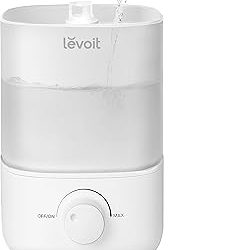
Serantzon 4-in-1 Evaporative Air Cooler
Be clear on what this is: an evaporative cooler and fan, not a compressor AC, so it lowers perceived temperature rather than actual room temperature. In dry climates and as a nightstand-level personal cooler running off a modest power draw, it earns its keep, especially with the 1200ML reservoir and timer.
Frequently Asked Questions
Can I run a portable AC off solar in a camper?
Yes, with realistic sizing. A 5,000 BTU DC unit needs roughly 400-600W of panel and 200Ah-plus of lithium storage for overnight runtime. Compressor units on 110V through an inverter add conversion losses, so native DC is far more efficient.
Where does the exhaust hose go in a van build?
Most builders route it through a floor penetration or a purpose-cut side panel with a bulkhead flange, sealed with butyl tape and a removable plug for winter. Never exhaust into a closed compartment or under a raised bed with no outlet.
Do I need to insulate before adding AC?
Insulate first. Reflective window covers, a thermal curtain behind the cab, and sealed roof penetrations often cut the required cooling load enough to let a smaller, cheaper unit succeed.
Is a dual-hose design worth the extra bulk?
In a small camper, yes. Single-hose units create negative pressure that pulls outside heat through every seam, effectively fighting themselves. Dual-hose units keep the pressure balanced and cool noticeably faster.
Final Thoughts
For most off-grid camper builds, the Cybertake S2 Pro is the smart buy thanks to its 48V DC compatibility and honest efficiency numbers. If you camp with hookups and want quiet, app-controlled cooling for a larger rig, the ZAFRO 14,000 BTU inverter unit is the stronger choice, while the Ivation 6,500 BTU sill-mount solves the no-cutting problem for caravans and motorhomes.