Key takeaways
- Understand the physics first: Evaporative (swamp) coolers drop air temperature by passing it through a wet media pad. They shine in dry heat and lose effectiveness above roughly 60% humidity — so match the tool to your climate before anything else.
- Tank capacity vs. runtime: A 2-gallon reservoir typically carries you through an evening; 3-gallon or dual-tank designs stretch toward a full 24 hours. If you don’t want to refill mid-afternoon, size up.
- Oscillation sweep and throw distance: A 70° sweep suits a desk nook, while 120° covers a wider seating area. Pair that with airflow speed (measured in ft/s) to gauge whether the cool air actually reaches you.
- Ice pack support and cold storage: Units that accept frozen packs give a noticeable temperature dip during peak afternoon heat. Freeze a spare set so you can rotate them without waiting.
- Noise floor and controls: Check for a sleep or ultra-quiet mode if the unit sits in a bedroom, and look for a remote with real range — 16 to 28 feet — plus a timer long enough to cover your sleep cycle.
What's inside
If you’ve ever tried to wedge a compressor-style portable AC into a casement window, you know the frustration: the kit doesn’t fit, the foam board looks terrible, and you end up drilling into a frame you didn’t want to touch. Renters face an even tougher wall — no window mods, no exterior venting, no permanent changes. That’s why ventless evaporative coolers have become the go-to workaround for garages, converted attics, sunrooms, home offices, and any room where a hose out the window simply isn’t happening.
This guide breaks down the ventless portable coolers worth your money in 2026, from the maker’s perspective: how they actually move air, what tank capacity means for a full workday, and where each unit fits in a real floor plan. I’ve also flagged the one hybrid option here that uses a true refrigerant cycle, since a few readers genuinely need dehumidification rather than evaporation. Below you’ll find the picks, followed by a buying checklist and answers to the questions that come up most.
As an Amazon Associate we earn from qualifying purchases.


How to Choose a Portable Air Conditioner Ventless (2026)
- Understand the physics first: Evaporative (swamp) coolers drop air temperature by passing it through a wet media pad. They shine in dry heat and lose effectiveness above roughly 60% humidity — so match the tool to your climate before anything else.
- Tank capacity vs. runtime: A 2-gallon reservoir typically carries you through an evening; 3-gallon or dual-tank designs stretch toward a full 24 hours. If you don’t want to refill mid-afternoon, size up.
- Oscillation sweep and throw distance: A 70° sweep suits a desk nook, while 120° covers a wider seating area. Pair that with airflow speed (measured in ft/s) to gauge whether the cool air actually reaches you.
- Ice pack support and cold storage: Units that accept frozen packs give a noticeable temperature dip during peak afternoon heat. Freeze a spare set so you can rotate them without waiting.
- Noise floor and controls: Check for a sleep or ultra-quiet mode if the unit sits in a bedroom, and look for a remote with real range — 16 to 28 feet — plus a timer long enough to cover your sleep cycle.
The Best Portable Air Conditioner Ventless (2026)s Reviewed
Dual-Tank Windowless Evaporative Cooler
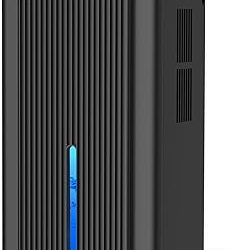
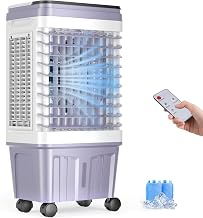
The dual-tank layout is the smartest engineering choice on this list: you refill one reservoir while the other keeps working, which effectively removes the downtime that plagues single-tank coolers. The 120° oscillation and 28-foot remote make it a practical bedroom unit where you don’t want to get up and fiddle with buttons.
24″ 3-in-1 Ventless AC with 15H Timer
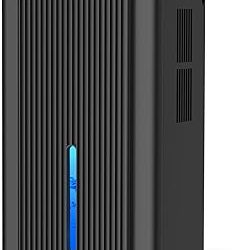
That extra tower height puts the outlet closer to seated head level, which matters more than spec sheets suggest — you feel the airflow instead of cooling your ankles. With a 15-hour timer, a 2-gallon tank, and a genuinely low noise floor, it’s the one I’d put in a home office.
4-in-1 Evaporative Cooler with 3-Gal Tank
Six fan speeds and a 3-gallon reservoir make this the workhorse pick for garages, workshops, and open basements where you want it running all day unattended. The 16 ft/s airflow gives you real reach across a two-car bay.
8000 BTU 4-in-1 Ventless Floor AC
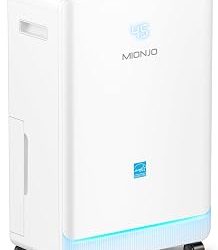
This is the outlier: a compressor-based unit with dehumidifier function, so it removes moisture rather than adding it — the right call for humid coastal or Midwest summers where swamp coolers stall. Expect to manage condensate drainage, and treat it as a spot-cooling appliance rather than whole-room climate control.
Feculs 3-in-1 No-Window Swamp Cooler
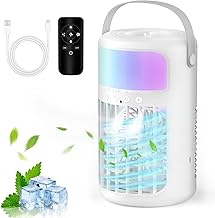
Feculs keeps things refreshingly straightforward: four modes, three speeds, a 2-gallon tank, and a 12-hour timer with strong 20 ft/s output. It’s a sensible entry point if you want to test whether evaporative cooling suits your climate before committing to a larger unit.
Frequently Asked Questions
Do ventless portable air conditioners really cool a room?
Evaporative models lower the temperature of the air passing through them, typically by 10 to 20°F at the outlet, and work best as personal or zone cooling. They won’t drop an entire room’s ambient temperature the way a vented compressor unit does.
Will a swamp cooler make my room damp?
It adds humidity by design — that’s the mechanism. Crack a door or window for airflow so moisture doesn’t accumulate, which also improves cooling performance.
How often do I need to refill the water tank?
Plan on every 8 to 12 hours with a 2-gallon tank on medium speed. Higher fan speeds and drier air consume water faster, so dual-tank or 3-gallon models buy you meaningful extra runtime.
What maintenance do these units need?
Rinse the media pad monthly, empty standing water before storage, and wipe the reservoir to prevent mineral scale. Using filtered water noticeably extends pad life in hard-water regions.
Final Thoughts
For most dry-climate buyers, the dual-tank windowless cooler is the standout thanks to genuine round-the-clock runtime, while the 24-inch 3-in-1 model with its 15-hour timer is the quieter choice for bedrooms and offices. If you’re dealing with humid air where evaporation won’t help, the 8000 BTU 4-in-1 floor unit with dehumidifier mode is the more honest solution.