Key takeaways
- Reptile terrariums are bought backward more often than any other pet setup: the animal comes home first.
Reptile terrariums are bought backward more often than any other pet setup: the animal comes home first, and the enclosure gets picked from whatever is nearby. The better order is to decide what the enclosure must do. Tall, front-opening glass suits climbing species and humid, planted setups. A long, low tank with sliding doors suits ground-dwelling lizards. A lockable mesh-top model suits keepers worried about escape artists. The best reptile terrariums are the ones whose footprint, height, door style, and ventilation match how the animal lives, not just how the cage looks on a shelf.
This guide is for new and returning keepers shopping in 2026 for a single-animal glass or PVC enclosure. Every pick is judged from its listing title alone: stated gallon size, dimensions, door style, and ventilation. Species needs vary widely, so confirm the right size, heating, lighting, humidity, and substrate for your particular animal with a reptile-experienced veterinarian or reputable care resources before bringing one home. Nothing here guarantees a specific animal’s health or comfort.
Quick Picks
Our top picks



As an Amazon Associate we earn from qualifying purchases at no extra cost to you.
| Product | Best for | Key spec from the title |
|---|---|---|
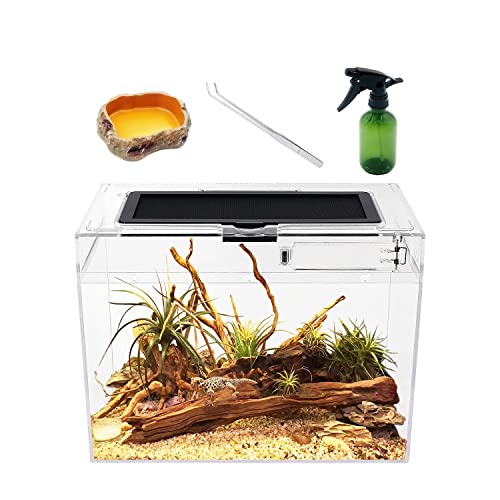
| REPTI ZOO 67 Gallon Glass Terrarium | Tall, humid, planted setups | 24 x 18 x 36 inches, double hinge door, screen ventilation |
| 20 Gallon Lockable Reptile Tank | Escape-prone snakes and lizards | 20 gallon, lockable, mesh top, sliding door, handles |
| unipaws 50 Gallon Reptile Tank | Ground-dwelling lizards | 36 x 17.5 x 18 inches, stackable, glass sliding doors |
| REPTI ZOO 30 Gallon Glass Terrarium | Mid-size, front-opening | 18 x 18 x 24 inches, double hinge door, top screen |
| REPTI ZOO 67 Gallon PVC Tall Tank | Large climbers needing sturdy walls | 24 x 18 x 36 inches, PVC, sliding door |
How to Choose
Footprint and height first
Ground-dwelling lizards and many snakes need floor area, so a 36 inch long, 17.5 inch deep enclosure serves them better than a tall box with the same gallon count. Climbers and arboreal species need height, which is why 36 inch tall tanks are popular for chameleons and tree-dwelling geckos. Gallons alone are misleading because two tanks with the same volume can have very different footprints. Ignore the label “reptile” on tiny tanks marketed for many animals at once; the correct size depends on the animal’s adult length. The tiny 12 by 7 inch tanks that also appear in this category are suited to very small invertebrates and similar use rather than reptiles, which is why they are left out of the picks below.
Door style and access
Front-opening doors let you reach in without lifting the lid, which is calmer for many animals than being grabbed from above. Double hinge doors give wide access; sliding glass doors save floor space but can be tricky to clean along the track. A lockable latch matters for snakes and curious lizards, and for homes with children. Check that the door seals flush, since gaps are where escapes and humidity loss happen. Ignore a door that opens wide but cannot be latched from the outside; convenience for the keeper should not come at the expense of security for the animal. Budget enclosures often cut corners on latch quality and track smoothness.
Ventilation and material
Screen tops and side vents move air and release heat. Humid setups need balanced ventilation, since too little lets moisture and odors build up while too much can make it hard to hold humidity. Glass shows the animal and cleans easily but is heavy; PVC panels are lighter, hold heat and humidity well in many designs, and resist moisture, though they hide less of the animal from the side. Whichever material you choose, look for smooth interior corners and edges, because cleaning rough seams is slow and leaves room for buildup. Stackable designs save room for keepers with more than one animal, as long as the shelf can bear the weight.
Heat, light, and substrate planning
The enclosure has to accept the equipment the animal needs. Look for a screened top for lamp fixtures, cord access, and space to mount thermometers and hygrometers. Place heat sources so the animal cannot touch bulbs, and follow manufacturer instructions for any electrical device. Do not buy a terrarium until you know what the full setup will require, since heating and lighting costs often exceed the price of the enclosure. Plan an outlet strip with surge protection and a timer so lamps follow a steady daily schedule, and keep cords tidy and away from water dishes. If a species needs special lighting, the listing for the enclosure rarely covers it, so check the care guidance separately.
The 5 Best Options
REPTI ZOO 67 Gallon Tall Glass Terrarium
This tall glass terrarium measures 24 by 18 by 36 inches, with a rainforest-style habitat, a double hinge front door, and screen ventilation. It is intended for tropical, planted setups where height matters. The rainforest wording suggests that live plants and a humidity-friendly layout are part of the design brief, which is useful for keepers who enjoy bioactive-style setups; the listing does not claim any particular animal will thrive in it.
- Strength: 36 inches of height gives climbing room for arboreal animals.
- Strength: double hinge doors offer wide front access.
- Trade-off: tall glass is heavy and needs a sturdy stand rated for the load.
Skip it if you keep a ground-dwelling lizard that needs floor length more than vertical space; the extra height will go unused. Check the listing for the assembly steps, since tall glass kits take patience and two people.
20 Gallon Lockable Reptile Terrarium Tank
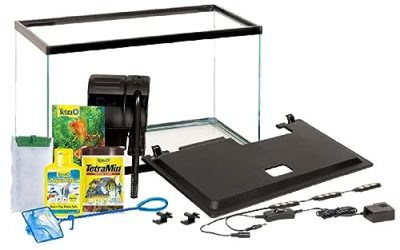
The listing describes a lockable enclosure with a mesh top, carrying handles, an escape-proof design, and a sliding door, intended for snakes and lizards. It is the smallest enclosure in this group and a good fit for a small adult animal.
- Strength: a lockable build helps keep curious hands and clever animals out or in.
- Strength: handles and a compact size make it easy to move for cleaning.
- Trade-off: 20 gallons is limiting for any animal that outgrows it.
Skip it if the species you plan to keep needs a larger adult enclosure; check the adult size first. It also has no listed dimensions in the visible title, so confirm length and depth, and ask whether the lock is built in or needs a separate padlock.
unipaws 50 Gallon Reptile Tank
A 50 gallon enclosure measuring 36 by 17.5 by 18 inches, aimed at lizards and leopard geckos. It has front-opening glass sliding doors, and a stackable design.
- Strength: a 36 inch length suits ground-dwelling lizards.
- Strength: stackable design is useful for keepers with several animals.
- Trade-off: sliding door tracks can collect debris and need regular cleaning.
Skip it if you need extra height for climbing species. Confirm the manufacturer’s weight guidance if you plan to stack units. Stackable designs shine for breeders and multi-animal households, but a single-animal home may value the sliding doors more than the stacking.
REPTI ZOO 30 Gallon Glass Terrarium
This 18 by 18 by 24 inch glass terrarium has a front-opening double hinge door and screen ventilation on top. It is a middle option between the smallest tank and the tall 67 gallon models.
- Strength: the square footprint and 24 inch height give both floor space and some climbing room.
- Strength: front opening and double hinge door make daily care easier.
- Trade-off: a 30 gallon size may be outgrown by larger species.
Skip it if you need a long, low footprint or the extra height of the 36 inch models. This size suits keepers who want a manageable, moderate enclosure that fits on a standard shelf. It is also a convenient height for lamp clearance, though the listing does not state which lighting it supports.
REPTI ZOO 67 Gallon PVC Tall Reptile Tank
The PVC version of the 24 by 18 by 36 inch tall enclosure, listed for geckos, lizards, chameleons, frogs, and snakes, with sliding access. PVC panels can offer sturdier walls and easier moisture resistance than glass.
- Strength: PVC is lighter than glass of the same volume.
- Strength: the tall footprint gives an arboreal animal room to climb.
- Trade-off: opaque panels give less of a side view than glass.
Skip it if you want full glass visibility on every side. The multi-species list is marketing wording, and no single enclosure suits every animal on it, so pick the species first and the enclosure second. PVC walls can also be easier to keep warm and humid in some homes, as a general rule, and the sliding access keeps doors from swinging into a crowded room.
Which One Fits Your Situation
You keep a climbing species that needs height
The 36 inch tall REPTI ZOO tanks, glass or PVC, are built for it. Glass shows more of the animal, while PVC is lighter and better at holding moisture in many designs.
You keep a ground-dwelling lizard
The unipaws 50 gallon at 36 inches long gives floor space that tall boxes cannot match, and its front-opening glass sliding doors keep daily maintenance simple. It also leaves room to build a basking spot at one end and a cooler hide at the other, subject to species guidance.
You worry about escapes or have children at home
The 20 gallon lockable tank is designed with a lock and mesh top, while the 30 gallon REPTI ZOO still has hinged doors that you should check for latch strength, ideally by adding a separate lock if one is not supplied.
You have limited room but want a full-size enclosure
The REPTI ZOO 30 gallon fits a shelf more easily than the 67 gallon models, though the animal must suit the size. A smaller footprint is not a bargain if the animal outgrows it within a year.
Common Mistakes
- Buying by gallons instead of footprint and height.
- Choosing a small tank for a juvenile without planning for its adult size.
- Skipping a stand rated for the weight of a filled glass enclosure.
- Leaving gaps at doors or vents, then struggling with escapes or humidity.
- Buying equipment after the animal arrives rather than before.
Related guides
- Battery Powered Floodlight Camera With Local Storage
- Cordless Drill Brush Attachment For Bathroom Grout
- Rechargeable Emergency Lantern For Power Outages
Frequently Asked Questions
Is glass or PVC better for a reptile terrarium?
Glass is clear and easy to clean, while PVC is lighter and often holds moisture well. The choice depends on species needs and how much you want to see from the side.
How big should a terrarium be?
That depends on the animal’s adult size and activity. Check species-specific guidance from a reptile vet or reputable care resources rather than relying on a listing’s gallon number.
Do all terrariums need a lock?
Not all, but a lock helps when children or pets share the home, or for animals that push at doors. Check the latch on the listing. A simple clip or padlock is an inexpensive upgrade for hinged doors, and it removes a common weak point in busy households. Children should be supervised around any enclosure, and hands should be washed after handling an animal or its supplies.
Can terrariums be stacked?
Only models designed for it. Confirm the weight limit and stability guidance from the manufacturer before placing one enclosure on another.
More from Amazon
Programs that pair well with the guide above. Offers and eligibility are set by Amazon and may change.
A free business account with business pricing and bulk-buying tools for work, shop or home office.
Create a business accountFree shipping on eligible items, Prime Video and more. Eligible new members can start with a free trial.
Start a Prime free trialAudiobooks and podcasts to listen to on the go. Eligible new members can start with a free trial.
Try Audible freeAd-free music streaming. Eligible new subscribers can start with a free trial.
Try Music Unlimited freeAs an Amazon Associate we earn from qualifying purchases.