Key takeaways
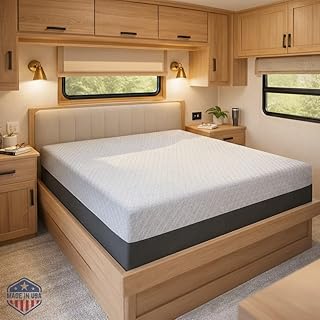
- Thickness over everything: Side sleeping needs at least eight inches of usable material, and ten is the sweet spot. Anything thinner bottoms out under your hip before the comfort layer can do its job. Measure your platform’s clearance to overhead cabinets first — I’ve seen a beautiful ten-inch build make the reading light unusable.
- Medium feel, not firm: Firm mattresses market well and sleep badly on your side. You want the top layer to yield at the shoulder. Medium or medium-firm is the honest target; skip anything advertised as extra firm unless you also sleep on your back half the night.
- Verify the exact cut: Short queen is 60×74 or 60×75 depending on the maker, short king runs 72×75, and full XL is 53×80. Tape-measure your existing slab rather than trusting the owner’s manual, then confirm the listing matches within an inch.
- Certifications are not optional: Look for CertiPUR-US and OEKO-TEX, and specifically for fiberglass-free construction. In a sealed space you breathe for eight hours, foam chemistry matters, and fiberglass in a torn cover is a genuine mess to remediate.
- Heat management: RVs swing hard between temperature extremes and airflow under a platform bed is usually terrible. Gel infusion, bamboo charcoal, or a pocketed-coil core all help move heat away from the sleep surface better than plain closed-cell foam.
What's inside
Pull the factory mattress out of almost any travel trailer and you’ll find the same thing: a three-inch slab of dense foam wrapped in a zippered cover, built to survive a dealership lot rather than a human shoulder. For back sleepers it’s merely unpleasant. For side sleepers it’s a nightly negotiation with your hip joint, because there’s simply nothing there to let your shoulder and pelvis sink while your waist stays supported. I’ve swapped mattresses in a Casita, a Grand Design fifth wheel, and a self-converted Transit, and the pattern holds — the stock slab is always the first thing worth replacing.
The complication is that RV bed platforms don’t follow residential rules. Short queen, short king, full XL, and the occasional oddball dinette-adjacent bunk all mean you can’t just grab whatever’s on sale at the mattress warehouse. Below I’ve pulled together the models that actually deliver pressure relief at side-sleeper depths while still fitting real coach dimensions, plus the specs I check before anything goes into a build. Everything here ships compressed, which matters more than you’d think when you’re wrestling a mattress through a 26-inch doorway.
As an Amazon Associate we earn from qualifying purchases.


How to Choose a Rv Mattress For Side Sleepers (2026)
- Thickness over everything: Side sleeping needs at least eight inches of usable material, and ten is the sweet spot. Anything thinner bottoms out under your hip before the comfort layer can do its job. Measure your platform’s clearance to overhead cabinets first — I’ve seen a beautiful ten-inch build make the reading light unusable.
- Medium feel, not firm: Firm mattresses market well and sleep badly on your side. You want the top layer to yield at the shoulder. Medium or medium-firm is the honest target; skip anything advertised as extra firm unless you also sleep on your back half the night.
- Verify the exact cut: Short queen is 60×74 or 60×75 depending on the maker, short king runs 72×75, and full XL is 53×80. Tape-measure your existing slab rather than trusting the owner’s manual, then confirm the listing matches within an inch.
- Certifications are not optional: Look for CertiPUR-US and OEKO-TEX, and specifically for fiberglass-free construction. In a sealed space you breathe for eight hours, foam chemistry matters, and fiberglass in a torn cover is a genuine mess to remediate.
- Heat management: RVs swing hard between temperature extremes and airflow under a platform bed is usually terrible. Gel infusion, bamboo charcoal, or a pocketed-coil core all help move heat away from the sleep surface better than plain closed-cell foam.
The Best Rv Mattress For Side Sleepers (2026)s Reviewed
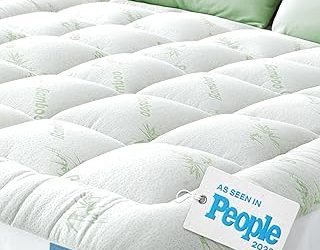
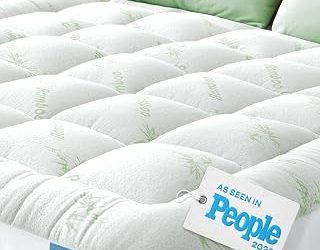
Lucid 10 Inch Bamboo Charcoal Memory Foam
The bamboo charcoal and gel combination in this Lucid genuinely reduces the swampy feeling you get from budget memory foam in a humid campground. At ten inches with a true medium feel, it’s the most forgiving option here for anyone who wakes with a sore shoulder.
Zinus 10 Inch Ultima RV
Zinus builds this with an open-cell airflow structure that vents better than its price suggests, and the fiberglass-free, dual-certified construction removes the main worry with inexpensive foam. Medium-firm reads slightly firmer than the Lucid, so it suits combination sleepers who roll onto their back.
Aquasoft 8 Inch Short Queen
At 60×74 and eight inches deep, this is the one I reach for when overhead clearance is tight or the platform lifts on gas struts and weight matters. The diamond-knit cover breathes well, though side sleepers over roughly 200 pounds will be happier with a ten-inch option.
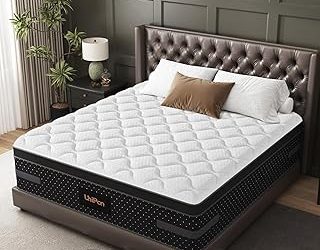
WanderRest Cool Hybrid 10″
Pocketed coils under gel foam give this hybrid a springier, more supportive feel that keeps your hips from sagging into the middle of the bed. The full XL cut at 53×80 fills an awkward gap in the market, and US manufacturing shows in the edge construction.
Celestial Sleep 10 Inch Short Queen
This one leans into certification transparency — CertiPUR-US, OEKO-TEX, and explicitly fiberglass-free — which is reassuring in a space where a cover tear is a real possibility. The medium cooling foam contours well without the slow, sinking quality some sleepers dislike.
Frequently Asked Questions
How thick should an RV mattress be for side sleeping?
Ten inches is ideal. Eight works if you’re lighter or clearance is limited, but below that you’ll feel the platform through your hip within an hour.
Will a compressed mattress expand properly in cold weather?
Not quickly. Unbox indoors at room temperature and give it 48 to 72 hours before judging the feel. Cold foam stays stiff and misleads you.
Do I need a topper as well?
Usually no, if you’ve chosen the right thickness and feel. A two-inch topper is a reasonable fix if a medium-firm model sleeps harder than you expected.
Is a hybrid worth it in an RV?
For side sleepers over about 180 pounds, yes. Coils resist the hip sag that all-foam mattresses develop, and they add airflow. The tradeoff is weight, which matters for your cargo capacity.
Final Thoughts
For most side sleepers replacing a factory slab, the Lucid 10 Inch bamboo charcoal model is the straightforward pick — right thickness, right feel, sensible price. The WanderRest Cool Hybrid earns its premium if you’re heavier or want coil support in a full XL footprint, and the Zinus Ultima is the value play when you want certified materials without overthinking it.