Key takeaways
- Measure before you shop: Pull the old mattress and measure the plywood or slat deck itself, corner to corner, then check the diagonal. Short queen (60×75) and true queen (60×80) are five inches apart, and cabinetry or a slide-out wall will not forgive a guess.
- Thickness versus clearance: Twelve inches sleeps better but can block overhead bunks, fight a lift-up storage base, or leave sheets straining. Ten inches is the sweet spot for most trailers; six inches suits shallow bunk platforms and weekend use.
- Weight matters more than you think: Every pound counts against cargo capacity, and you are the one wrestling it up the steps. Hybrids with pocketed coils run heaviest; all-foam rolls compress into a box you can carry solo.
- Heat and moisture control: An RV bed sits over a sealed cavity with little airflow, so gel-infused or open-cell foam and a breathable cover do real work. If your deck is solid plywood, drill vent holes or add a slat frame to fight condensation.
- Certifications, verified: Look for CertiPUR-US foam and OEKO-TEX textiles, and confirm the maker states fiberglass-free construction. Enclosed cabins concentrate off-gassing, so material transparency is not optional.
What's inside
Anyone who has crawled into the back of a travel trailer with a tape measure knows the frustration: that “queen” platform is almost never 60 by 80 inches. Most rigs ship with a short queen at 60 by 75, and plenty of factory foam is a two-inch slab of the cheapest material the coachbuilder could source. Swap it out and you also inherit the practical problems of the space itself — a tight doorway, a bed base that lifts on gas struts, cabinetry that eats the corners, and a platform that may or may not breathe underneath.
This guide takes a builder’s view of the problem. I have measured, trimmed, and hauled enough of these through 24-inch RV doors to know which specs matter on the road and which are marketing. Below are six queen and short queen RV mattresses worth installing, followed by a buying checklist, honest notes on each model, and answers to the questions that come up once the old foam is out on the driveway.
As an Amazon Associate we earn from qualifying purchases.


How to Choose a/an Rv Mattress Queen (2026)
- Measure before you shop: Pull the old mattress and measure the plywood or slat deck itself, corner to corner, then check the diagonal. Short queen (60×75) and true queen (60×80) are five inches apart, and cabinetry or a slide-out wall will not forgive a guess.
- Thickness versus clearance: Twelve inches sleeps better but can block overhead bunks, fight a lift-up storage base, or leave sheets straining. Ten inches is the sweet spot for most trailers; six inches suits shallow bunk platforms and weekend use.
- Weight matters more than you think: Every pound counts against cargo capacity, and you are the one wrestling it up the steps. Hybrids with pocketed coils run heaviest; all-foam rolls compress into a box you can carry solo.
- Heat and moisture control: An RV bed sits over a sealed cavity with little airflow, so gel-infused or open-cell foam and a breathable cover do real work. If your deck is solid plywood, drill vent holes or add a slat frame to fight condensation.
- Certifications, verified: Look for CertiPUR-US foam and OEKO-TEX textiles, and confirm the maker states fiberglass-free construction. Enclosed cabins concentrate off-gassing, so material transparency is not optional.
The Best Rv Mattress Queen (2026)s Reviewed
Celestial Sleep 10 Inch RV Short Queen
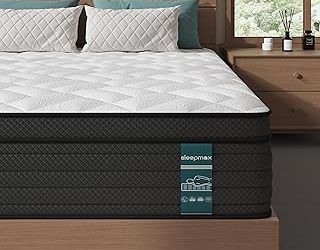
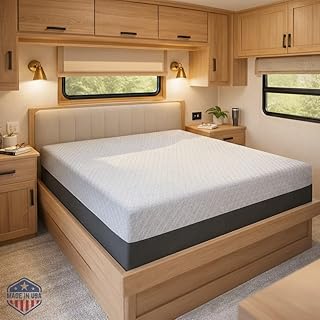
This is the most complete spec sheet in the short queen category — USA-made, CertiPUR-US, OEKO-TEX, and explicitly fiberglass-free — wrapped in a medium cooling memory foam that suits side and back sleepers alike. At ten inches it clears most lift-up bases without binding the struts, making it my default recommendation for a full-season upgrade.
Zinus 10 Inch Short Queen Ultima
Zinus delivers the strongest value here, with a medium-firm feel and a breathable airflow foam core that holds up better than budget slabs in a hot cabin. It arrives compressed in a manageable box, which is a genuine advantage when your only path to the bedroom is a narrow trailer door.
WanderRest 12″ Cool Hybrid, Queen 60×80
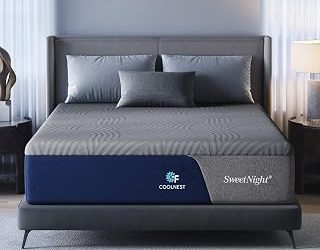
For a true 60×80 platform with headroom to spare, the pocketed coil and gel foam combination gives you edge support that all-foam builds cannot match — useful when you sit on the perimeter to pull on boots. Expect real weight, so plan on a second set of hands and verify your deck can carry it.
Lux Black Cool Hybrid 12″ RV Mattress
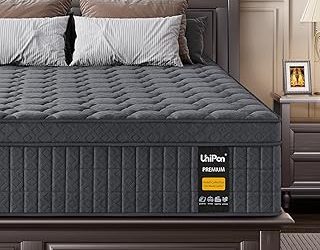
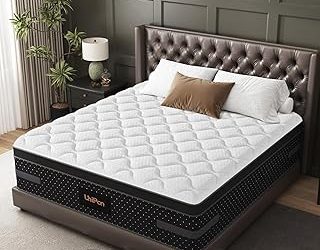
The Elate visco foam over pocketed coils lands at a genuine medium with noticeably better temperature regulation than standard memory foam, which pays off in a desert campground with no shore power for the AC. This is the pick for full-timers who want residential comfort in a 60×80 bay.
Best Price Mattress 6 Inch Queen Short
Six inches of green tea infused memory foam is the pragmatic answer for shallow platforms, overcab bunks, and rigs where every inch of clearance is spoken for. It is a weekender rather than a long-haul solution, but the price and low profile make it hard to argue with.
Frequently Asked Questions
What is the difference between short queen and queen?
A short queen measures 60 by 75 inches; a standard queen is 60 by 80. RV manufacturers use short queen to reclaim five inches of walkway, so always confirm your platform rather than assuming.
Can I trim a mattress to fit an odd platform?
You can shave an all-foam mattress with an electric carving knife and a straightedge, but never cut a hybrid — you will expose coils and void the warranty. Trim from the foot end and rewrap the cover if you go this route.
How long should I let a compressed mattress expand?
Give it 24 to 48 hours in a ventilated space, ideally with a window vent open. Cold weather slows expansion considerably, so warm the cabin before unboxing in shoulder season.
Do I need a mattress protector in an RV?
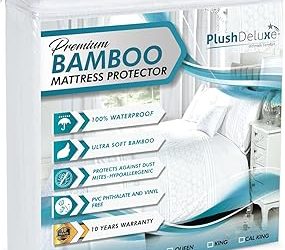
Yes, and a breathable one. Condensation collects between foam and a solid deck, so pair a protector with slats or a ventilated underlay to prevent mildew on the underside.
Final Thoughts
For most trailers, the Celestial Sleep 10 Inch short queen is the smartest install — certified materials, sensible thickness, and a feel that works for mixed sleepers. If your rig takes a true 60×80 and you want residential-grade comfort, the Lux Black Cool Hybrid earns its weight, while the Zinus Ultima remains the best value for anyone upgrading factory foam on a budget.