Key takeaways
- Wattage flexibility: A 1500W heater pulls roughly 12.5 amps, which eats most of a 15-amp hookup by itself. Look for a 750W low setting so you can still run the fridge, converter, and coffee maker without popping the breaker at 6 a.m.
- Tip-over and overheat protection: Non-negotiable in a vehicle. RVs shift when you move around, and a heater on a slightly out-of-level pad is a genuine hazard. Mercury or ball-switch tip cutoffs plus a thermal fuse should both be listed on the spec sheet.
- Footprint and mounting options: Floor space in a rig is currency. Measure before you buy — a low-profile box tucks under a dinette bench, a slim tower fits beside a slide-out, and a wall-mount unit frees the floor entirely if you’re comfortable running a dedicated outlet.
- Noise floor: You’ll be sleeping ten feet from this thing. Anything under about 40 dB is genuinely livable; PTC ceramic elements with a decent fan curve are quieter than the old coil-and-blower designs.
- Power source strategy: Electric only works when you’re plugged in. If you dry camp, budget for a propane radiant heater as a backup and pair it with a battery-powered CO detector plus a cracked window or roof vent for combustion air.
What's inside
Anybody who has spent a November night in a travel trailer knows the drill: the furnace kicks on, roars like a jet engine, burns through propane you were saving for the trip home, and still leaves the floor cold. RV heating is a genuinely different problem than heating a house. You’re working with maybe 30 amps of shore power, thin walls with almost no thermal mass, a battery bank you don’t want to drain, and cabinets full of things that really shouldn’t get scorched. Toss in a standard big-box space heater and you’ll either trip the breaker, cook one corner of the rig, or lie awake listening to a fan cycle every four minutes.
I’ve swapped heaters in and out of my own camper enough times to have opinions. This guide covers what actually matters in a rig — wattage switching so you can run low on a 15-amp pedestal, tip-over cutoffs that work on an uneven pad, thermostats accurate enough to hold a small space steady, and a propane option for boondocking off-grid. Below are the units worth your money heading into 2026, plus the specs I check before anything gets bolted down or stuffed under a dinette.
As an Amazon Associate we earn from qualifying purchases.




How to Choose a/an Rv Space Heater (2026)
- Wattage flexibility: A 1500W heater pulls roughly 12.5 amps, which eats most of a 15-amp hookup by itself. Look for a 750W low setting so you can still run the fridge, converter, and coffee maker without popping the breaker at 6 a.m.
- Tip-over and overheat protection: Non-negotiable in a vehicle. RVs shift when you move around, and a heater on a slightly out-of-level pad is a genuine hazard. Mercury or ball-switch tip cutoffs plus a thermal fuse should both be listed on the spec sheet.
- Footprint and mounting options: Floor space in a rig is currency. Measure before you buy — a low-profile box tucks under a dinette bench, a slim tower fits beside a slide-out, and a wall-mount unit frees the floor entirely if you’re comfortable running a dedicated outlet.
- Noise floor: You’ll be sleeping ten feet from this thing. Anything under about 40 dB is genuinely livable; PTC ceramic elements with a decent fan curve are quieter than the old coil-and-blower designs.
- Power source strategy: Electric only works when you’re plugged in. If you dry camp, budget for a propane radiant heater as a backup and pair it with a battery-powered CO detector plus a cracked window or roof vent for combustion air.
The Best Rv Space Heater (2026)s Reviewed
Xtreme Heaters Boat Cabin RV Space Heater
This is the one purpose-built for the job — a squat, wide-based box with top-mounted air intake so debris and dust don’t get sucked into the element, plus a 6-foot cord that reaches a real outlet without an extension. The 750/1500W split and tip-over shutoff make it the safest bet for a rig that gets driven, and the low center of gravity means it stays put on a gravel site.
DREO 2026 Upgraded Portable Heater
At a claimed 34 dB, this is the quietest unit in the group, and the 12-hour timer plus five modes let you dial in a slow overnight cycle instead of the blast-and-crash pattern most cheap heaters use. The remote is a small thing that matters a lot when the heater lives at the far end of the coach.
GiveBest Smart Wall Heater
If you’re building out a permanent solution, wall mounting is the single biggest space win in a small rig — it gets the heater off the floor and out of the walking path entirely. Alexa compatibility and a 24-hour timer are nice, but the real draw is the 1500W PTC element in a package you can hang and forget.
Mr. Heater Little Buddy Propane Heater
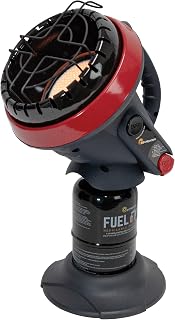
Your off-grid insurance policy. At 3,800 BTU it takes the edge off a small cabin or trailer on a one-pound cylinder with no electrical draw at all — just be disciplined about ventilation and a working CO alarm, because radiant propane consumes oxygen in a sealed space.
Lasko 1500W Ceramic Tower Heater
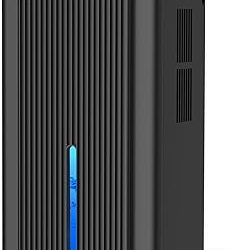
The vertical footprint is the trick here: it occupies about the same floor area as a paper towel roll while its widespread oscillation pushes warm air down a narrow galley better than a stationary box can. The built-in handle makes it easy to stow in a closet when you’re rolling.
Frequently Asked Questions
Can I run a 1500W space heater on a 30-amp RV hookup?
Usually yes, but not alongside the air conditioner or microwave. A 1500W heater draws about 12.5 amps of your 30, so plan around it — and on a 15-amp pedestal, drop to the 750W setting.
Is it safe to leave a space heater running overnight in an RV?
With a modern PTC unit that has tip-over and overheat cutoffs, plugged directly into a wall outlet with at least three feet of clearance, many owners do it routinely. Never use an extension cord or power strip, and keep bedding and curtains well clear.
Do I still need my propane furnace?
Yes — the furnace ducts heat to your plumbing bays, which electric space heaters don’t reach. In freezing weather, run the furnace enough to keep tanks and lines from freezing, and use the space heater to hold living-area comfort.
Will a space heater drain my battery?
Electric resistance heat is far too power-hungry for a typical house battery bank — you’d need a large lithium setup and a big inverter. Treat electric heaters as shore-power-only and use propane radiant heat when you’re off-grid.
Final Thoughts
For most rigs, the Xtreme Heaters RV unit is the smartest first purchase — it’s engineered around the exact conditions a camper puts a heater through, and the low-profile base plus tip-over shutoff earn their keep the first time you park on uneven ground. Pair it with the DREO 2026 Upgraded model if quiet overnight running is your priority, and keep a Mr. Heater Little Buddy in the storage bay for the nights when there’s no pedestal in sight.