Key takeaways
- Comfort layer depth: Side sleepers need at least two to three inches of genuinely soft material above the support core. A thin quilting panel over firm foam won’t let your shoulder drop, no matter how the marketing describes the feel.
- Feel rating: Aim for medium to medium-soft. Firm builds like pillowtop innersprings can work for heavier side sleepers, but lighter frames under about 150 pounds will float on top and feel pressure at the joints.
- Foam versus hybrid: All-foam contours more evenly around curves. Encased coils give you easier repositioning and better airflow. If you shift sides several times a night, coils reduce that stuck-in-the-bed sensation.
- Heat management: Contouring means more of your body is buried in foam, which traps warmth. Look for gel infusion, open-cell structures, or zoned airflow channels rather than trusting a “cooling” label alone.
- Edge and cover details: Reinforced perimeters matter if you sleep near the edge. Surface treatments like Sealy’s Surface-Guard help with allergens and stains, and a fiberglass-free build is worth confirming before you buy.
What's inside
Side sleeping puts your whole body weight onto two narrow contact zones: the shoulder and the hip. If the mattress under you doesn’t yield at those points, the spine bends into a shallow S and you wake with a sore rotator cuff or a numb arm. Push too far the other direction with something overly plush and the hips sink past neutral, which loads the lower back instead. The window between those two failures is narrower than most spec sheets let on, and it’s the reason so many side sleepers cycle through beds that felt fine in a five-minute showroom test.
I’ve spent years pulling covers off mattresses, measuring comfort layers with calipers, and cutting up foam samples to see what’s actually in them. This guide applies that same teardown mentality to Sealy’s current side-sleeper-friendly lineup, plus two independent hybrids worth a look if you want more pressure relief per dollar. Below you’ll find what to look for in the construction, then honest notes on how each model performs for shoulder and hip relief.
As an Amazon Associate we earn from qualifying purchases.


🛒 Best Price Today on Amazon
Prime members get fast, free shipping on everything above, plus member-only deals. New members get a 30-day free trial — cancel anytime.
How to Choose a Sealy Mattress For Side Sleepers (2026)
- Comfort layer depth: Side sleepers need at least two to three inches of genuinely soft material above the support core. A thin quilting panel over firm foam won’t let your shoulder drop, no matter how the marketing describes the feel.
- Feel rating: Aim for medium to medium-soft. Firm builds like pillowtop innersprings can work for heavier side sleepers, but lighter frames under about 150 pounds will float on top and feel pressure at the joints.
- Foam versus hybrid: All-foam contours more evenly around curves. Encased coils give you easier repositioning and better airflow. If you shift sides several times a night, coils reduce that stuck-in-the-bed sensation.
- Heat management: Contouring means more of your body is buried in foam, which traps warmth. Look for gel infusion, open-cell structures, or zoned airflow channels rather than trusting a “cooling” label alone.
- Edge and cover details: Reinforced perimeters matter if you sleep near the edge. Surface treatments like Sealy’s Surface-Guard help with allergens and stains, and a fiberglass-free build is worth confirming before you buy.
The Best Sealy Mattress For Side Sleepers (2026)s Reviewed
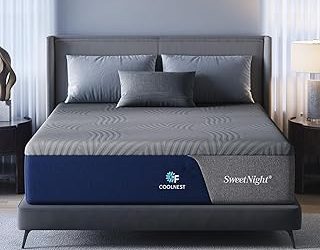
Sealy Dreamlife 12″ Foam Mattress-in-a-Box
The gel memory foam top over SealySupport transition foam gives this one the deepest, most even shoulder cradle in the Dreamlife range, which is exactly what a dedicated side sleeper wants. It’s the pick if you settle into one position and stay there, though strict stomach sleepers will find it too yielding at the hips.
Sealy Dreamlife 12″ Hybrid Mattress-in-a-Box
Swap the foam core for SealyResponsive encased coils and you keep most of the contouring while gaining real bounce and cooler airflow through the coil layer. For combination sleepers who roll from side to back, this is the more versatile of the two Dreamlife builds.
Sealy Posturepedic Plus Glenshaw 15″ Firm Pillowtop
Fifteen inches gives the pillowtop room to breathe over a firm innerspring core, so you get surface softness with serious underlying support. Best suited to larger-framed side sleepers or couples with mismatched weights, since lighter sleepers may not compress far enough into the plush layer.
Sealy Posturepedic Fayette 12″ Medium Hybrid
A medium tight-top hybrid that lands closest to the neutral-spine sweet spot for average-build side sleepers. It’s a sensible middle option when you want Posturepedic support without the height and heft of a pillowtop.
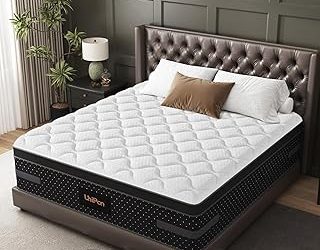
Sleepmax 14″ Queen Hybrid
Fourteen inches of CertiPUR-US certified, fiberglass-free hybrid construction at a value price, with pressure relief tuned toward back and side positions. The 365-night trial is unusually generous, which takes the risk out of an online purchase you can’t test first.
Frequently Asked Questions
What firmness works best for side sleeping?
Medium to medium-soft suits most people. Heavier sleepers often need medium-firm to keep the hips from dropping too far, while lighter sleepers usually want the softer end of the range.
Do I need a hybrid or is all-foam fine?
All-foam contours slightly better around the shoulder. Hybrids move heat away more effectively and make repositioning easier, so choose based on whether you sleep hot and how much you shift overnight.
How long before a new mattress feels right?
Give it two to four weeks. Foam softens with body heat and use, and your body needs time to adapt after months on a worn-out bed.
Will a mattress topper fix shoulder pressure?
A two-inch topper can help a mattress that’s slightly too firm, but it won’t rescue a bed with an inadequate support core. Treat it as fine-tuning, not a fix.
Final Thoughts
For most side sleepers, the Sealy Dreamlife 12″ Hybrid hits the best balance of contouring, airflow, and easy movement. Go with the Dreamlife 12″ Foam if you want maximum shoulder relief in a single position, or step up to the Posturepedic Plus Glenshaw if you need a taller, firmer platform under a plush pillowtop surface.