Key takeaways
- Variable steam control: This is the non-negotiable feature. A low or “dust mop” setting lets you clean with minimal moisture, which is exactly what floating LVP wants. Single-output mops give you no way to dial back.
- Pad absorbency and swap-out count: A saturated pad stops absorbing and starts pushing water sideways into seams. Look for machines that ship with at least two washable pads so you can rotate mid-job on larger floors.
- Heat-up and shutoff behavior: Fast heat-up is convenient, but automatic steam cutoff when the mop is upright matters more. A machine that keeps venting while parked is how you get a wet spot that soaks a joint.
- Weight and swivel head: Constant motion is the real safeguard against moisture damage. A light unit with a genuine swivel joint keeps you gliding around furniture legs rather than stalling to wrestle it.
- Tank size versus refill hassle: Bigger tanks mean fewer trips to the sink, but they add weight up high. Removable tanks split the difference — fill at the tap, snap it back, keep working.
What's inside
Luxury vinyl plank has a reputation for being bulletproof, and mostly it earns that. But anyone who has pulled up a warped plank near a doorway knows the weak spot isn’t the wear layer — it’s the seams. LVP is a floating floor sitting on click-lock joints, and steam is water with ambition. Push too much of it into a seam and you get lifted edges, softened adhesive on glue-down installs, and a hollow tick underfoot that never goes away. The catch is that LVP also shows every scuff and greasy footprint, so plenty of homeowners want steam and just aren’t sure whether their floor can take it.
It usually can, with the right machine and the right technique. What matters is control: adjustable steam output so you’re not blasting the lowest setting’s worth of vapor into every joint, a pad that actually absorbs rather than smears, and enough maneuverability that you keep moving instead of parking in one spot. Below are six machines worth considering, along with the selection criteria that separate LVP-safe steam mops from the ones that void your flooring warranty. Note the obvious caveat first: check with your manufacturer, because a handful of LVP lines prohibit steam outright.
As an Amazon Associate we earn from qualifying purchases.




🛒 Best Price Today on Amazon
Prime members get fast, free shipping on everything above, plus member-only deals. New members get a 30-day free trial — cancel anytime.
How to Choose a Steam Mop For Lvp (2026)
- Variable steam control: This is the non-negotiable feature. A low or “dust mop” setting lets you clean with minimal moisture, which is exactly what floating LVP wants. Single-output mops give you no way to dial back.
- Pad absorbency and swap-out count: A saturated pad stops absorbing and starts pushing water sideways into seams. Look for machines that ship with at least two washable pads so you can rotate mid-job on larger floors.
- Heat-up and shutoff behavior: Fast heat-up is convenient, but automatic steam cutoff when the mop is upright matters more. A machine that keeps venting while parked is how you get a wet spot that soaks a joint.
- Weight and swivel head: Constant motion is the real safeguard against moisture damage. A light unit with a genuine swivel joint keeps you gliding around furniture legs rather than stalling to wrestle it.
- Tank size versus refill hassle: Bigger tanks mean fewer trips to the sink, but they add weight up high. Removable tanks split the difference — fill at the tap, snap it back, keep working.
The Best Steam Mop For Lvp (2026)s Reviewed
Bissell PowerFresh Vac & Steam 2747A
Combining the vacuum and steam pass into one tool is a genuine time-saver on LVP, since grit dragged under a hot pad is what dulls the wear layer over time. The trade-off is heft compared to a dedicated steam mop, but the sanitizing pass without any chemical residue makes it the most practical all-in-one on this list.
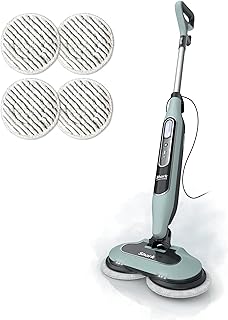
Shark Steam & Scrub S8001
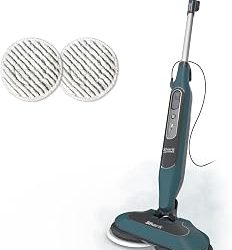
The rotating double-sided pads do the scrubbing so you don’t lean into it, which is ideal on vinyl where you want cleaning action without gouging pressure. The XL tank and LED headlights are more useful than they sound — the lights reveal film and streaks you’d otherwise miss until the floor dries.
Bissell PowerFresh 1940A
Still the reference point for variable steam, with three settings and a 12-inch head that covers open rooms quickly. Keep it on low for LVP and reserve the high setting and flip-down scrubber for grout, where the extra moisture has nowhere problematic to go.
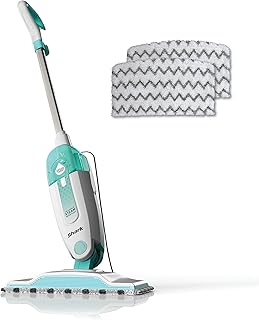
Shark Steam Mop S1000
The stripped-down pick, and for many LVP owners the smartest one: lightweight, simple, and easy to keep moving. No steam dial means you control moisture through pace rather than settings, so work in long continuous passes and swap pads before they go heavy.
10-in-1 Detachable Steam Mop
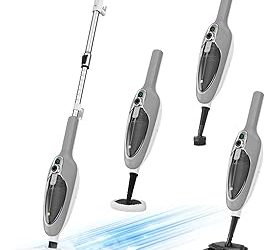
The detach-to-handheld design earns its keep on baseboards, stair nosings, and the transition strips where LVP meets tile. Two steam levels and a ten-second heat-up make it a reasonable primary mop for smaller floors, though the 350ml tank means frequent refills in a big open plan.
Frequently Asked Questions
Is steam mopping actually safe on LVP?
On well-installed, tight-seamed LVP with a waterproof core, occasional low-steam mopping is generally fine. Glue-down installs, aging floors with visible gaps, and any product whose warranty explicitly forbids steam are different stories — check your documentation first.
How long should I hold the mop in one place?
Ideally, never. Keep the head moving continuously and make a second pass on stubborn spots rather than dwelling. If you must pause, stand the unit upright and confirm steam has stopped.
Do I still need a cleaning solution?
No, and that’s part of the appeal. Hot vapor plus a microfiber pad lifts most residue on its own, and skipping detergent avoids the dulling buildup that makes LVP look hazy under daylight.
How often can I steam clean?
Weekly is reasonable for high-traffic areas; dry sweeping or vacuuming between sessions handles the rest. Steaming every day adds unnecessary moisture cycles to your seams for no real cleanliness gain.
Final Thoughts
For most LVP homes, the Bissell PowerFresh 1940A is the safest starting point thanks to its genuine variable steam control. If you’d rather consolidate two chores into one pass, the Bissell PowerFresh Vac & Steam 2747A handles grit and sanitizing together, while the Shark S1000 suits anyone who wants a light, uncomplicated mop they’ll actually reach for on a Tuesday night.