Key takeaways
- Best overall: Zoeller M53 Mighty-Mate, 1/3 HP, cast iron, 1-1/2 inch discharge, 3-year warranty.
- Best value flow: Wayne CDU790, 1/3 HP, cast-iron base, vertical float switch, rated about 3,060 GPH at 10 ft of lift per roundup listings.
- Best for finished basements: Liberty Pumps 257, 1/3 HP, vertical magnetic float switch, 1-1/2 inch discharge.
- Best for a high water table: Wayne 58321-WYN3, 3/4 HP, stainless steel and cast iron.
- Best budget submersible: Superior Pump 92372, 1/3 HP, thermoplastic.
- Best budget pedestal: Superior Pump 92333, 1/3 HP, pedestal design.
- Best power-outage protection: Wayne WSS30VN combination system with battery backup, 1/2 HP.
The best sump pumps for most homes are the Zoeller M53 Mighty-Mate (1/3 HP, cast iron) for long-term reliability, the Wayne CDU790 (1/3 HP, cast-iron base) for high flow at a modest cost, and the Liberty Pumps 257 for quiet operation in finished basements. For a crawl space or a shallow pit, the Superior Pump 92333 pedestal is the budget route, and for a high water table, step up to the Wayne 58321-WYN3 at 3/4 HP.
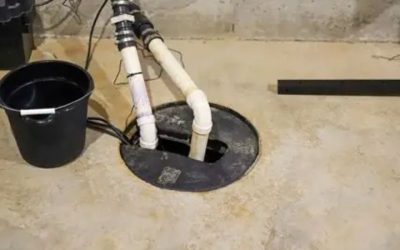
A sump pump sits in a pit at the lowest point of a basement or crawl space, collects groundwater that drains to the pit, and pushes it outside before it can reach the floor. Choosing one is not about buying the biggest motor. It is about matching flow at your real lift height, the pit size, the switch style and the water table. This guide explains those criteria, compares current models by spec class, and gives a worked example that shows how to size a pump to your pit.
Quick picks
- Best overall: Zoeller M53 Mighty-Mate, 1/3 HP, cast iron, 1-1/2 inch discharge, 3-year warranty.
- Best value flow: Wayne CDU790, 1/3 HP, cast-iron base, vertical float switch, rated about 3,060 GPH at 10 ft of lift per roundup listings.
- Best for finished basements: Liberty Pumps 257, 1/3 HP, vertical magnetic float switch, 1-1/2 inch discharge.
- Best for a high water table: Wayne 58321-WYN3, 3/4 HP, stainless steel and cast iron.
- Best budget submersible: Superior Pump 92372, 1/3 HP, thermoplastic.
- Best budget pedestal: Superior Pump 92333, 1/3 HP, pedestal design.
- Best power-outage protection: Wayne WSS30VN combination system with battery backup, 1/2 HP.
How we chose
This guide is research-based. We compared published manufacturer specifications and the criteria that decide how a sump pump performs in a real pit: horsepower, flow rated at a stated lift, body material, switch style, discharge size, warranty length and whether the design is submersible or pedestal. We did not run any pumps ourselves. Flow is the figure most often misquoted, because manufacturers rate pumps at different lift heights, so we compare at about 10 feet of lift where the data exists and flag differences. Where sources disagree, such as the housing material of one popular Liberty model, we say so and tell you to confirm before buying.
Sump pump criteria that matter
Submersible versus pedestal
A submersible pump sits inside the pit, under water, with the motor sealed and cooled by the surrounding water. It runs quietly, takes up no floor space and resists clogging because the pump body hides below the waterline. A pedestal pump keeps the motor on a stand above the pit, with only the intake at the bottom. Pedestal pumps cost less, are easy to service and handle narrow pits, but they are louder and the exposed motor can overheat during long cycles. Choose submersible for a finished or occupied basement and for pits you cannot see into. Choose pedestal for narrow or shallow crawl-space pits and when budget matters more than noise.
Horsepower: 1/3 versus 1/2
A 1/3 HP pump handles the majority of homes: it moves roughly 40 to 60 GPM at shallow lift and about 30 to 40 GPM at 10 feet, depending on model. A 1/2 HP pump adds head and flow for a higher discharge point, a long horizontal run or a very wet site. A 3/4 HP pump is for severe groundwater, a deep pit or a long discharge line. Do not assume bigger is better. An oversized pump in a small pit can cycle on and off every few seconds, which shortens switch and motor life. Pit size and inflow rate should drive the choice.
Flow rate at 10 feet of lift
Lift is the vertical distance from the pump to the discharge outlet. A typical basement pit in a two-story house may lift water 8 to 12 feet. Pump flow drops as lift rises. A Wayne CDU790 is listed at about 4,600 GPH on the box but about 3,060 GPH at 10 feet. A Zoeller M53 is listed at about 2,040 GPH at 10 feet and higher at 5 feet. When comparing models, put them on the same lift or you will chase headline numbers that mean nothing in your house.
Cast iron versus thermoplastic
Cast iron dissipates motor heat well, adds mass that keeps the pump stable and tolerates abrasive grit. Thermoplastic is lighter, will not rust and is cheaper, but conducts heat less well. For long cycles in a high-water-table site, cast iron or a cast-iron base is the safer choice. For light-duty use or a seldom-active pit, a thermoplastic unit such as the Superior Pump 92372 is acceptable.
Switch type: vertical float, tethered float, electronic
- Vertical float: A float rides up and down a rod. It needs less pit width than a tethered float and works in narrow pits, though debris and a bent rod can cause sticking. The Wayne CDU790 and Liberty Pumps 257 use vertical designs.
- Tethered float: A float on a short cable swings out. It needs pit width but offers a wide pumping range, so the pump runs longer per cycle and starts less often. Many pedestal and some submersible models use this.
- Electronic switch: A sensor with no moving float parts. It resists sticking and can be extremely compact, but costs more and can fail if the sensor fouls. Some models combine an electronic switch with a backup float.
The switch is the most common failure point in a sump system. Whatever pump you pick, confirm the float has room to move freely in your pit.
Discharge size
Most residential pumps use a 1-1/2 inch discharge. Keep the discharge pipe at least that size, avoid unnecessary elbows and install a check valve above the pump to stop water falling back into the pit. A 2 inch run reduces friction on a long line.
Spec comparison
| Model | Type | HP | Flow listed | Body | Switch | Warranty listed |
|---|---|---|---|---|---|---|
| Zoeller M53 Mighty-Mate | Submersible | 1/3 | About 2,040 GPH at 10 ft; 2,580 GPH at 5 ft | Cast iron | Automatic float | 3 years |
| Wayne CDU790 | Submersible | 1/3 | About 3,060 GPH at 10 ft; 4,600 GPH max | Cast-iron base, steel housing | Vertical float | 3 years |
| Liberty Pumps 257 | Submersible | 1/3 | About 2,640 GPH at 5 ft (44 GPM) | Class 25 cast iron per most listings | Vertical magnetic float | 2 to 3 years, sources differ |
| Superior Pump 92372 | Submersible | 1/3 | Up to 2,880 GPH max | Thermoplastic | Float | Check listing |
| Superior Pump 92333 | Pedestal | 1/3 | About 2,760 GPH max | Pedestal design | Float | 1 year |
| Wayne 58321-WYN3 | Submersible | 3/4 | About 5,520 GPH max (92 GPM) | Stainless steel and cast iron | Check listing | 3 years |
| Wayne WSS30VN | Combination with battery backup | 1/2 primary | About 5,100 GPH max (85 GPM) | Check listing | Check listing | 3 years |
Flow figures are maximums or at the lift shown in listings. Different sources rate at different lifts, so compare only like with like.
Product-by-product breakdown
Zoeller M53 Mighty-Mate
Spec line: 1/3 HP · submersible · cast iron · 1-1/2 inch discharge · about 2,040 GPH at 10 ft · 3-year warranty.
Best for: Typical basements that want a dependable pump that lasts for years with minimal fuss.
Skip if: You need high flow for a deep pit or long discharge. A larger 1/2 or 3/4 HP unit would serve better.
Pros: Long track record, cast iron body, automatic float switch, strong parts availability.
Cons: Flow at 10 ft is lower than some competing 1/3 HP models, and the standard float needs clear pit width.
Wayne CDU790
Spec line: 1/3 HP · submersible · cast-iron base · steel housing · vertical float switch · about 3,060 GPH at 10 ft.
Best for: Homes that want strong flow without paying for a bigger motor, and narrow pits where a vertical float is needed.
Skip if: Your pit is shallow, where the vertical switch can start the pump at inconvenient levels, or you want a long-warranty cast housing.
Pros: High flow for its class, top-suction design that reduces air lock, ceramic mechanical seals, widely sold.
Cons: Housing is steel rather than full cast iron, and vertical floats can stick if debris builds up.
Liberty Pumps 257
Spec line: 1/3 HP · submersible · 1-1/2 inch discharge · about 44 GPM at 5 ft · vertical magnetic float switch · 23 ft shut-off head.
Best for: Finished basements where quiet operation matters, and pits that need a reliable switch.
Skip if: You want a confirmed cast-iron housing without checking the exact listing, since sources disagree on material.
Pros: Quiet running in published comparisons, magnetic switch with fewer moving parts, good shut-off head.
Cons: Warranty and material details vary by listing, so verify before buying.
Superior Pump 92372
Spec line: 1/3 HP · submersible · thermoplastic · up to 2,880 GPH max.
Best for: Light-duty use, a rental property or a seldom-active pit where cost matters.
Skip if: Your pit runs frequently or you need long continuous cycles.
Pros: Entry-level cost, rustproof body, lightweight.
Cons: Thermoplastic dissipates heat less well than cast iron, and durability expectations are lower.
Superior Pump 92333 pedestal
Spec line: 1/3 HP · pedestal · about 2,760 GPH max · 1-year warranty.
Best for: Narrow crawl-space pits, tight budgets and spaces where you want easy access to the motor.
Skip if: The pit sits in living space where noise matters, or you need long motor life under heavy cycling.
Pros: Low cost, easy service, fits narrow pits.
Cons: Louder, short warranty, motor exposed to dust and humidity.
Wayne 58321-WYN3
Spec line: 3/4 HP · submersible · stainless steel and cast iron · about 5,520 GPH max (92 GPM) · 3-year warranty.
Best for: A high water table, deep pit or long discharge line where a 1/3 HP pump would struggle.
Skip if: Your pit is small. A 3/4 HP pump can short-cycle in a narrow basin.
Pros: Large flow reserve, durable materials.
Cons: Higher cost and current draw, and it may need a larger circuit and pit.
Wayne WSS30VN combination system
Spec line: 1/2 HP primary pump · battery backup system · about 5,100 GPH max (85 GPM) · 3-year warranty.
Best for: Homes in areas with storm-related power loss, where flooding often coincides with outages.
Skip if: You already have a separate backup pump or water-powered backup.
Pros: Includes backup capability, so one purchase covers primary and outage protection.
Cons: Battery needs periodic replacement and maintenance, and backup flow is lower than the primary.
Match the pump to your space
Basement
Choose a submersible with a cast-iron body: Zoeller M53, Wayne CDU790 or Liberty Pumps 257. Pits in basements are usually 18 inches wide or more and deep enough for a tethered or vertical float. Use a check valve and a discharge pipe that exits at least several feet from the foundation. For finished space, add a battery backup or a combination system.
Crawl space
Crawl-space pits are often shallow and narrow, and the pump may start with only a few inches of water. A vertical float or an electronic switch works better than a wide tethered float. A pedestal such as the Superior 92333 can work if the pit is narrow and access is easy, but a submersible keeps the motor cooler and quieter. Cover the pit with a sealed lid in a crawl space to reduce humidity and radon pathways, and run the discharge away from the foundation.
High water table
If the pump runs often through the year, pick a cast-iron submersible with a durable switch and consider 1/2 or 3/4 HP. Add a battery or water-powered backup. Constant cycling is hard on thermoplastic bodies and on cheap switches.
Worked example: sizing a pump to your pit
Suppose your basin is 18 inches across and 24 inches deep, and the pump’s float setting lets water rise 8 inches between pump-off and pump-on. An 18-inch round pit holds about 1.1 gallons per inch, because its area is about 1.77 square feet and a cubic foot holds 7.48 gallons, giving 13.2 gallons per foot of depth. Eight inches of travel therefore stores about 9 gallons per cycle.
Next, estimate inflow. If during a heavy storm the pit fills from the pump-off level to the pump-on level in 40 seconds, inflow is about 9 gallons per 40 seconds, or roughly 13.5 GPM (810 GPH). The pump must move more than that at your lift height, with margin for peak conditions. At 10 feet of lift, a pump rated at about 2,040 GPH (34 GPM) handles that inflow with a net removal of roughly 20 GPM, so it empties 9 gallons in about 27 seconds and rests while the pit refills.
Now stress-test. Suppose a very bad storm doubles the inflow to 27 GPM. A 34 GPM pump nets only 7 GPM against the incoming water and the pit drains slowly, which is a sign you need more flow. A 3,060 GPH pump (51 GPM) at the same lift would net 24 GPM and keep ahead. This logic gives you three rules: calculate gallons per inch of pit, time the fill during a wet period, and choose a pump whose flow at your lift is at least two to three times your worst-case inflow.
Installation and safety notes
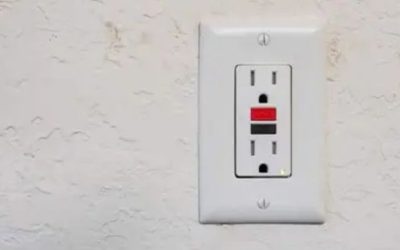
- Plug the pump into a dedicated ground fault protected outlet and never use a cord with a damaged plug. Do not cut off the ground pin.
- Set the pump on a firm, level base, not in gravel or silt, so debris does not enter the intake or block the switch. Many installers drill a small relief hole in the discharge pipe below the check valve to prevent air lock; follow the manufacturer’s instructions.
- Test the float by pouring water into the pit until the pump starts, at the start of the wet season and every few months after.
- Do not discharge into a sanitary sewer line. Local codes commonly prohibit it, and it can overload municipal systems. Confirm local rules for discharge location.
- Keep the pit lid sealed in crawl spaces and radon zones, and never stand in water near a plugged-in pump. Shut off power at the breaker first.
- For a permanent hardwired installation or a backup system, hire a licensed electrician or plumber.
Frequently asked questions
What size sump pump do I need for a basement?
Most basements work well with a 1/3 HP submersible rated around 2,000 GPH or more at 10 feet of lift. Wet sites, deep pits or long discharge runs call for 1/2 or 3/4 HP.
Is a submersible or pedestal sump pump better?
Submersible pumps are quieter, cooler and better for finished basements. Pedestal pumps cost less and fit narrow pits but are louder and the exposed motor wears faster under heavy use.
Is cast iron better than thermoplastic for a sump pump?
Cast iron handles heat and abrasion better, so it suits frequent cycling. Thermoplastic costs less and will not rust, which is fine for light duty in a pit that seldom runs.
What type of sump pump switch is most reliable?
No switch is immune to failure. Vertical floats suit narrow pits, tethered floats give long run cycles in wide pits and electronic switches avoid moving parts. Match the switch to your pit width and keep debris out.
How long do sump pumps last?
Service life depends on how often the pump runs, water quality and build. Expect to replace a pump after several years of heavy use, and a pump in a rarely active pit may last longer. Test it every few months.
Do I need a battery backup for my sump pump?
If your area has storm-related power outages or your basement is finished, a backup is a sound investment. A combination system such as the Wayne WSS30VN pairs a primary pump with battery backup.
Why does my sump pump keep running?
Common causes are a high water table, a stuck float, a failed check valve letting water flow back, or a pump too small for inflow. Check the float, the check valve and the discharge pipe, and compare flow to inflow.
How far should a sump pump discharge from the house?
Discharge at least 10 feet from the foundation where possible, and downhill so water does not run back. Follow local rules and never discharge into a sanitary sewer.
Bottom line
For most basements, the Zoeller M53 is the safe default, the Wayne CDU790 gives more flow for the horsepower, and the Liberty Pumps 257 is the quiet option for finished space. Size the pump to your pit and inflow using the worked example, pick a switch that fits your pit width, and add a backup if power loss is a risk.