Key takeaways
- Anti-tip hardware is non-negotiable: Anything over 40 inches needs to be strapped to a wall stud, not just drywall. Check that the kit includes a real bracket and screws long enough to bite 1.5 inches into framing — if it ships with plastic anchors only, buy a proper strap separately for a few dollars.
- Drawer glide type over drawer count: Metal ball-bearing slides handle sweaters and jeans; wooden or plastic channel runners bind up once loaded. Full-extension slides matter more on tall units because you can’t see into a drawer that sits at chest height.
- Back panel thickness sets the whole tone: A stapled 3mm hardboard back lets a tall carcass twist under its own weight. Look for a grooved-in or screwed 5mm+ panel, or plan to add a diagonal brace yourself — it’s a ten-minute fix that doubles perceived quality.
- Measure the vertical clearance, not just the width: Sloped ceilings, window sills, wall-mounted TVs, and light switches all interfere. Tape the footprint on your floor and run a strip of painter’s tape up the wall to the stated height before you commit.
- Match top-surface load to your plan: If the dresser doubles as a TV stand or vanity, you want engineered wood at least 15mm thick with a supported center. Thin veneer tops on fabric-frame towers hold a lamp fine but will bow under a 43-inch screen.
What's inside
Vertical storage is the cheat code for small bedrooms, but most people learn that the hard way. You buy the wide six-drawer dresser, wrestle it up the stairs, and discover it eats the only wall that could have held a nightstand and a lamp. A tall dresser flips the math: same drawer volume, roughly half the floor footprint. The catch is that height introduces problems a low chest never has — tip risk, drawer sag at the top of the stack, and cabinets that rack out of square if the back panel is a sheet of glorified cardboard.
I’ve assembled enough flat-pack furniture to have opinions about cam locks, and this guide reflects that. Below I break down what actually matters structurally when a dresser goes vertical, then review five current models across solid-wood, fluted-front, and fabric-tower styles. I’ll flag where each one earns its keep and where you’ll want to reach for a drill and a stud finder.
As an Amazon Associate we earn from qualifying purchases.


🛒 Best Price Today on Amazon
Prime members get fast, free shipping on everything above, plus member-only deals. New members get a 30-day free trial — cancel anytime.
How to Choose a Tall Dresser (2026)
- Anti-tip hardware is non-negotiable: Anything over 40 inches needs to be strapped to a wall stud, not just drywall. Check that the kit includes a real bracket and screws long enough to bite 1.5 inches into framing — if it ships with plastic anchors only, buy a proper strap separately for a few dollars.
- Drawer glide type over drawer count: Metal ball-bearing slides handle sweaters and jeans; wooden or plastic channel runners bind up once loaded. Full-extension slides matter more on tall units because you can’t see into a drawer that sits at chest height.
- Back panel thickness sets the whole tone: A stapled 3mm hardboard back lets a tall carcass twist under its own weight. Look for a grooved-in or screwed 5mm+ panel, or plan to add a diagonal brace yourself — it’s a ten-minute fix that doubles perceived quality.
- Measure the vertical clearance, not just the width: Sloped ceilings, window sills, wall-mounted TVs, and light switches all interfere. Tape the footprint on your floor and run a strip of painter’s tape up the wall to the stated height before you commit.
- Match top-surface load to your plan: If the dresser doubles as a TV stand or vanity, you want engineered wood at least 15mm thick with a supported center. Thin veneer tops on fabric-frame towers hold a lamp fine but will bow under a 43-inch screen.
The Best Tall Dressers (2026) Reviewed
Aitjunz Modern 7-Drawer Dresser, 55″
At 55 inches with seven drawers, this is the closest thing here to a true wardrobe replacement, and the curved profile softens what would otherwise read as a monolith in a small room. The vertical stack is efficient but top-heavy by design, so treat the wall anchor as part of assembly rather than an optional step — and dry-fit the drawer boxes before driving every screw, since squaring the carcass first makes the glides run noticeably smoother.
Furniway Walnut Dresser, 5 Drawers, 47.2″
The 15.7-inch depth is the standout number here: deep enough for folded bulk, shallow enough to live in a hallway without becoming an obstacle. Smooth slides and brass-tone pulls give it a finished look straight out of the box, though the golden handles are the first thing I’d swap if you want a more custom feel — they’re standard single-hole mounts, so aftermarket knobs drop right in.
Decofy Fluted 5-Drawer Dresser, 48″
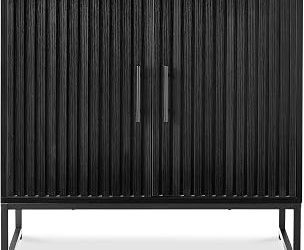
Fluted fronts are having a real moment, and the rounded edges on this one keep the ribbing from feeling like a rental-apartment shortcut. The 48-inch height lands in the sweet spot where you can still see the top surface without a step stool, which makes it a genuinely usable entryway drop zone rather than dead vertical space.
Garvee 5-Drawer Dresser, 43.3″
The shortest of the group, and that’s the point — 43.3 inches clears most window sills and works under a low sloped ceiling where taller units simply won’t fit. Natural oak laminate hides scuffs well, making it a sensible pick for a kid’s room or a shared closet where the finish will take some abuse.
Sweetcrispy 8-Drawer Black Dresser
Fabric drawers on a steel frame trade rigidity for weight and price, which is exactly the right trade in a closet, dorm, or rental you’re not decorating permanently. Assembly is fast and tool-light, but keep heavy denim in the lower bins — loading the top row makes the frame feel less planted than it actually is.
Fluted 6-Drawer Dresser, 46″, Natural Oak
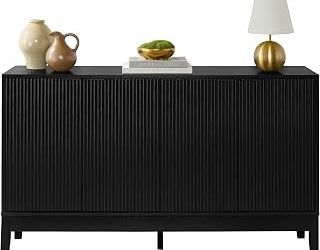
Six drawers plus a wide top surface make this the most flexible dual-purpose unit here, comfortably handling a modest TV alongside clothing storage. The metal handles are substantial enough to pull a fully loaded drawer without flexing, which is where cheaper stamped hardware usually gives itself away.
Frequently Asked Questions
How tall is too tall for a bedroom dresser?
Practically speaking, anything above roughly 55 inches means you’re reaching blind into the top drawer. If you’re under 5’6″, cap it around 48 inches so the top surface stays usable for a lamp, tray, or charging station.
Do I really need to anchor a tall dresser to the wall?
Yes, without exception if children or pets share the space. An open loaded drawer shifts the center of gravity forward dramatically, and a single wall strap into a stud eliminates the risk for the cost of a coffee.
Can I reinforce a flat-pack dresser to make it last longer?
Absolutely. Add wood glue to every dowel joint during assembly, replace the supplied back-panel staples with 3/4-inch screws every six inches, and consider gluing thin plywood strips under sagging drawer bottoms. Those three habits meaningfully extend the life of budget furniture.
Is solid wood worth the premium over engineered panels?
For drawer fronts and tops, yes — they take dings better and can be sanded and refinished. For hidden carcass sides, quality MDF is dimensionally more stable than solid wood and won’t cup with humidity swings, so a mixed-material build is often the smarter buy.
Final Thoughts
If maximum storage in minimum floor space is the goal, the Aitjunz 55-inch seven-drawer chest delivers the most capacity per square foot in this lineup, provided you anchor it properly. The Furniway walnut five-drawer is my pick for anyone who wants a finished, design-forward piece with minimal fuss, and the fluted 46-inch six-drawer model earns a nod for pulling double duty as both dresser and media console. Whichever you choose, spend the extra ten minutes on glue and a wall strap — it’s the difference between furniture that lasts two years and furniture that lasts ten.