Key takeaways
- Comfort layer depth: Your shoulder needs somewhere to go. Look for at least three inches of conforming foam above the support core, otherwise you bottom out onto firm material within minutes of settling in.
- Firmness target: Medium is the sweet spot for most side sleepers. Firm feels supportive in a showroom for thirty seconds and punishing at 3 a.m. once your hip has been loaded for hours.
- Heat management: Dense memory foam traps body heat by design. Phase-change covers, gel infusions, and open-cell structures all help, but a hybrid with a coil layer moves air better than any all-foam build.
- Zoned support: Multi-zone construction softens under the shoulder and firms up at the lumbar. It’s the same logic as shimming a cabinet: different sections need different amounts of give to end up level.
- Trial length: Foam needs two to four weeks before your body stops fighting it. Anything under 100 nights is too short to judge fairly, and a longer trial signals a company confident in its own product.
What's inside
Side sleeping puts your shoulder and hip in direct conflict with whatever surface you land on. All your body weight funnels into two narrow contact points, and if the mattress refuses to yield, you wake up with a numb arm and a low back that feels like it spent the night braced against a wall. Push the other direction with something too soft and your midsection sinks below your shoulders, kinking your spine into a shallow S. The window between those two failures is narrower than most mattress marketing admits, and Tempur-Pedic built its reputation on hitting it with slow-response foam that molds instead of pushing back.
I approach mattresses the same way I approach a workbench build: measure the load, understand the material, then decide what actually needs spending on. Below you’ll find genuine TEMPUR-material options alongside hybrid alternatives worth comparing against them, plus a topper route if your current bed is structurally fine but too firm at the shoulder. I’ve noted where each one earns its keep and where you’d be paying for a feature you won’t feel.
As an Amazon Associate we earn from qualifying purchases.


How to Choose a Tempurpedic Mattress For Side Sleepers (2026)
- Comfort layer depth: Your shoulder needs somewhere to go. Look for at least three inches of conforming foam above the support core, otherwise you bottom out onto firm material within minutes of settling in.
- Firmness target: Medium is the sweet spot for most side sleepers. Firm feels supportive in a showroom for thirty seconds and punishing at 3 a.m. once your hip has been loaded for hours.
- Heat management: Dense memory foam traps body heat by design. Phase-change covers, gel infusions, and open-cell structures all help, but a hybrid with a coil layer moves air better than any all-foam build.
- Zoned support: Multi-zone construction softens under the shoulder and firms up at the lumbar. It’s the same logic as shimming a cabinet: different sections need different amounts of give to end up level.
- Trial length: Foam needs two to four weeks before your body stops fighting it. Anything under 100 nights is too short to judge fairly, and a longer trial signals a company confident in its own product.
The Best Tempurpedic Mattress For Side Sleepers (2026)s Reviewed
TEMPUR-Adapt 2.0 Medium 11-Inch
This is the real thing, and it behaves differently from generic memory foam: TEMPUR material responds to body heat and pressure rather than just compressing, so your shoulder settles in gradually instead of bouncing on a spring-loaded surface. At 11 inches with a medium feel, it’s the most direct answer to side-sleeping pressure points on this list, and the near-zero motion transfer makes it a strong choice for couples on different schedules.
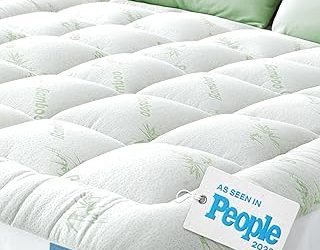
Tempur-Pedic TEMPUR-Adapt + Cooling 3-Inch Topper
If your mattress core is sound but the top feels like plywood, this is the cheapest legitimate fix available. Three inches of genuine TEMPUR foam with a cooling surface and washable cover gives your shoulder real room to sink, and it costs a fraction of a full replacement.
Casper Snow 12″ Hybrid
Casper’s Snow build pairs zoned memory foam with a pocketed coil base, so you get contouring at the shoulder plus airflow that all-foam beds can’t match. Medium feel and 12 inches of height suit side sleepers well, and the coil layer makes edge support noticeably better if you sleep near the perimeter.
Sweetnight CoolNest Hybrid 14-Inch
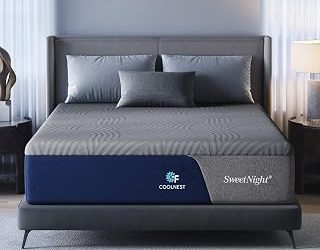
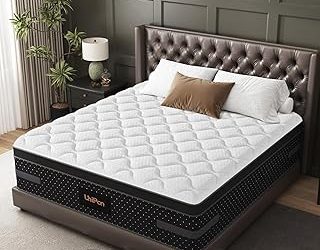
Seven-zone support and a pillow-top surface make this a solid value hybrid for hot side sleepers who need immediate cushioning at the contact points. The medium-firm rating runs a touch firmer than ideal for lighter sleepers, so it fits best if you’re average build or heavier.
Sleepmax 14-Inch Hybrid
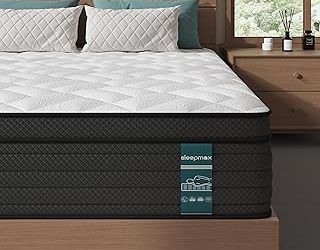
The entry-level pick that doesn’t cut corners where it matters: CertiPUR-US certified, fiberglass-free, and generous enough at 14 inches to let a shoulder settle without hitting the coil layer. That 365-night trial is unusually long, which takes most of the risk out of ordering foam you’ve never lain on.
Frequently Asked Questions
Is Tempur-Pedic actually better for side sleepers?
The proprietary foam responds more slowly and conforms more completely than standard viscoelastic foam, which suits the concentrated pressure of side sleeping. Whether that justifies the price gap over a good hybrid depends on how sensitive your shoulders and hips are.
Should I choose medium or firm?
Medium, in nearly all cases. Side sleepers need the surface to accept the shoulder and hip; firm resists that and creates the pressure points you’re trying to eliminate.
Will a topper fix a mattress that’s too firm?
Yes, if the base is still structurally sound with no sagging or broken coils. A three-inch topper adds real contouring, but it can’t compensate for a worn-out core.
How long is the break-in period?
Give it two to four weeks. Memory foam softens with body heat and repeated use, and your muscles need time to stop bracing against an unfamiliar surface.
Final Thoughts
For the genuine article, the TEMPUR-Adapt 2.0 Medium remains the benchmark for side-sleeping pressure relief. If your current bed is sound and you just need shoulder room, the TEMPUR-Adapt + Cooling 3-Inch Topper delivers most of that feel for far less. And if you want hybrid airflow with zoned contouring, the Casper Snow 12″ splits the difference intelligently.