Key takeaways
- Router type: A palm router is nimble for edge work and small projects; a fixed-base or combination router is better for deep cuts, templates, and furniture joinery.
- Power: Around 1 HP suits trimming and light profiling. For repeated dados, large bits, and hardwood, look for roughly 2 HP or more, while remembering that technique and bit sharpness still matter.
- Speed control: Variable speed helps you slow large-diameter bits and tune the cut for different materials. Always follow the bit manufacturer’s maximum RPM.
- Base adjustment: Fine depth adjustment, a secure lock, and easy bit access make setup faster and reduce the temptation to rush a cut.
- Dust and accessories: An edge guide, dust hood, plunge base, and compatible bits can save more money than a small difference in motor power. Confirm what is actually included.
Choosing a wood router is less about chasing the biggest motor and more about matching the tool to the furniture you actually build. A compact trimmer can clean up laminate and soften an edge, while a full-size router handles dados, rabbets, mortises, and repeatable joinery with far greater control. The wrong choice usually shows up as chatter, awkward handling, or a collection of accessories you never use.
This guide takes a hands-on DIY maker’s view of the best wood routers for 2026. I’m focusing on handling, useful power, base flexibility, speed control, and the practical details that matter at a workbench—from trimming cabinet edging to routing joinery in solid hardwood. Check the included accessories and collet size before ordering, since those details can shape your workflow as much as the motor rating.
Our top picks




As an Amazon Associate we earn from qualifying purchases at no extra cost to you. Ratings are shown as listed on Amazon.
🛒 Best Price Today on Amazon
Prime members get fast, free shipping on everything above, plus member-only deals. New members get a 30-day free trial — cancel anytime.
How to Choose a Wood Router (2026)
- Router type: A palm router is nimble for edge work and small projects; a fixed-base or combination router is better for deep cuts, templates, and furniture joinery.
- Power: Around 1 HP suits trimming and light profiling. For repeated dados, large bits, and hardwood, look for roughly 2 HP or more, while remembering that technique and bit sharpness still matter.
- Speed control: Variable speed helps you slow large-diameter bits and tune the cut for different materials. Always follow the bit manufacturer’s maximum RPM.
- Base adjustment: Fine depth adjustment, a secure lock, and easy bit access make setup faster and reduce the temptation to rush a cut.
- Dust and accessories: An edge guide, dust hood, plunge base, and compatible bits can save more money than a small difference in motor power. Confirm what is actually included.
The Best Wood Router (2026)s Reviewed
BOSCH 1617EVSPK Combination Router
The BOSCH 1617EVSPK is the most versatile choice here for a furniture shop that wants one substantial router to cover several jobs. Its 2.25 HP motor and included fixed and plunge bases make it suitable for edge profiles, template routing, stopped cuts, and mortising, while electronic speed control helps keep the cut consistent. It is not the lightest option, but that extra mass can feel reassuring when guiding a large bit through hardwood.
BOSCH 1617EVS Fixed-Base Router
The BOSCH 1617EVS 2.25 HP router is a strong pick when your work is primarily table-based or edge-focused and you do not need a plunge base. It offers serious power for dados, rabbets, and shaping operations, with the kind of solid, predictable feel experienced makers appreciate. Pair it with a quality edge guide or router table for repeatable cabinet and furniture components.
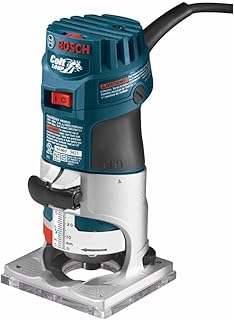
BOSCH PR20EVS Colt Palm Router
The BOSCH PR20EVS Colt is the nimble option for trimming veneer, rounding edges, cutting shallow grooves, and handling smaller workpieces. Its 1 HP motor is not intended to replace a full-size router, but the ergonomic palm format and quick-clamp base make it easy to control with one hand while keeping the other hand on the workpiece or guide. It is an especially useful second router for a compact shop.
AVID POWER 6.5 Amp Compact Router
The AVID POWER compact router offers a practical middle ground for DIY furniture projects, with a 1.25 HP motor, six speed settings, and a useful collection of guiding and dust-management accessories. It should handle common edge profiles, sign work, and light joinery without the bulk of a full-size machine. Before committing to demanding hardwood cuts, practice on scrap and make several shallow passes rather than forcing the tool.
TwoWin 800W Compact Router Tool
The TwoWin 800W compact router is aimed at makers who want an approachable starter kit for trimming and light routing. The included 1/4-inch collets and 15-piece carbide bit set can make it convenient for small projects, though included bits are best treated as a way to get started rather than a permanent replacement for premium cutters. Keep cuts shallow, clamp the work securely, and use it for its intended light-duty role.
Frequently Asked Questions
What size wood router is best for furniture making?
A compact router is enough for edge treatments, hinge recesses, and small decorative work. For regular cabinet joinery, wide dados, or large profiles, a 2 HP-class router gives more reserve power and usually feels steadier.
Should I buy a plunge router or a fixed-base router?
A plunge base is valuable when a cut begins inside a panel, such as a mortise or stopped groove. A fixed base is simpler for edge work and often easier to set up precisely. A combination kit is a sensible solution if your projects require both.
Can a compact router cut hardwood?
Yes, within its limits. Use a sharp, appropriately sized bit, secure the work, reduce the depth per pass, and avoid pushing faster than the router can clear chips. Large bits and deep cuts belong on a more powerful router.
What safety equipment do I need?
Wear eye and hearing protection, secure loose clothing, clamp the workpiece, and connect dust extraction when practical. Unplug the router before changing bits, check that the bit is properly seated, and let the motor reach speed before entering the cut.
Final Thoughts
For the broadest furniture-making capability, the BOSCH 1617EVSPK is the standout pick because its two bases cover the most tasks. Choose the BOSCH PR20EVS Colt for nimble trim work, or the AVID POWER compact router for an affordable, accessory-rich starting point. Whatever you buy, budget for sharp quality bits—your cuts will reflect those more than the label on the motor.